
Tristan Ishtar
VP of Sales
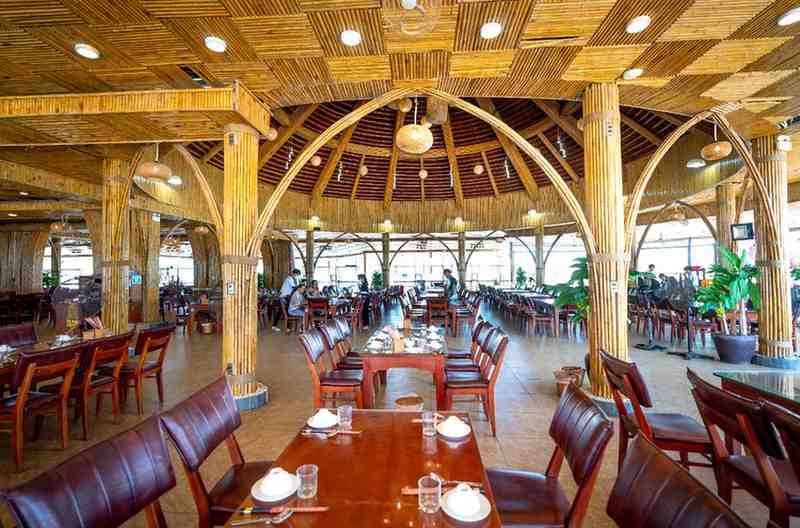
When major theme parks and resorts need to replace aging structural elements while maintaining its authentic tropical aesthetic, the challenge isn’t just about finding materials that look right—it’s about sourcing bamboo poles thick enough to support actual loads while meeting modern building codes.
This scenario plays out across theme parks, resorts, and commercial projects worldwide as architects discover that large diameter bamboo offers both the visual impact and structural integrity needed for contemporary tropical design.
The key lies in recognizing that not all bamboo is created equal. While thin decorative varieties work well for screens and accent features, architectural columns demand thick-walled, construction-grade species that can handle the same structural loads as traditional timber. This guide will tell you everything you need to know for your next project.
Species Selection for Structural Applications
Choosing the right bamboo species for large-diameter columns requires recognizing the fundamental differences between decorative and structural varieties. Many projects fail because specifiers assume all bamboo performs similarly, but wall thickness and species characteristics dramatically affect load-bearing capacity.
Structural Bamboo Species for Large-Diameter Applications:
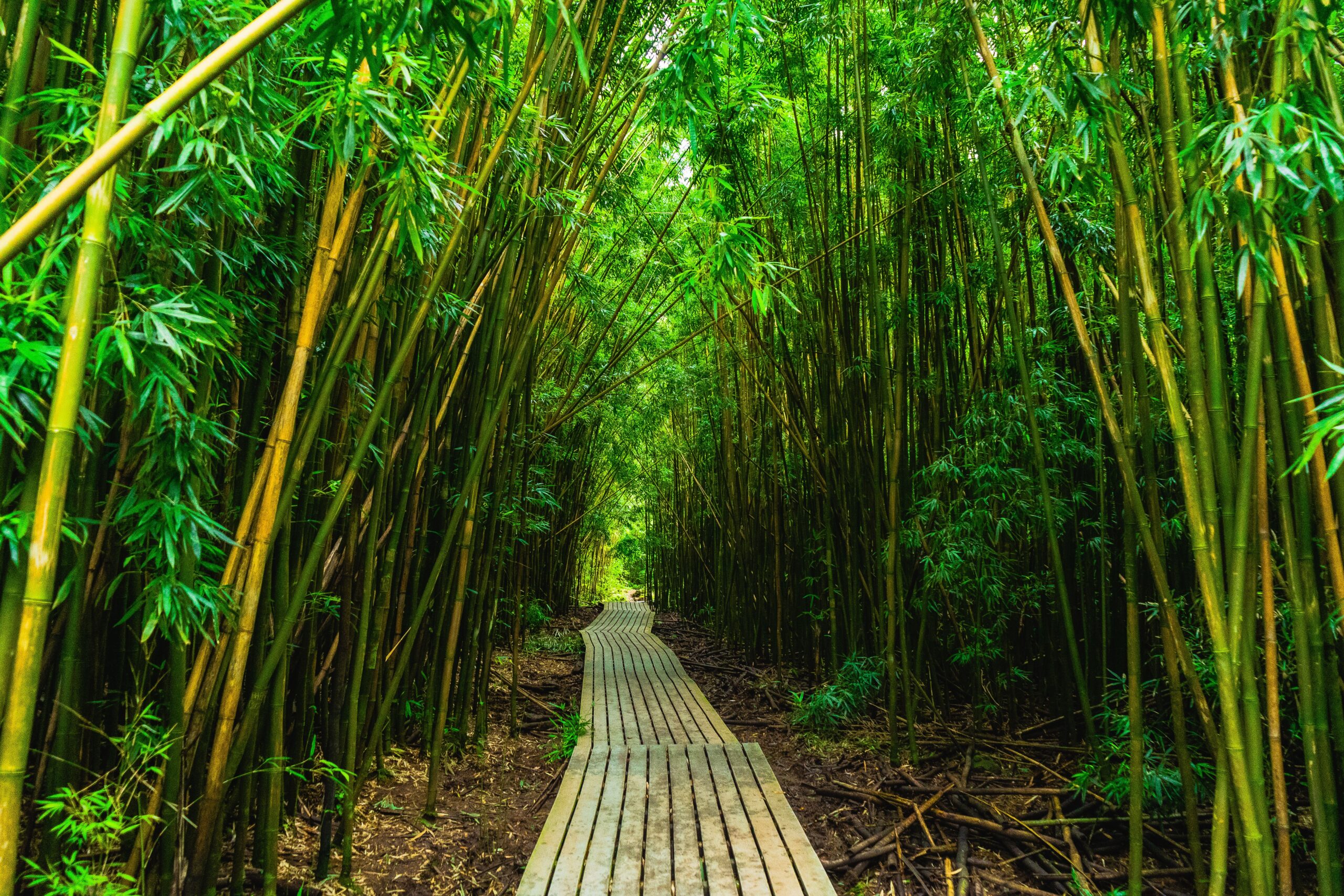
- Tre-Gai (Bambusa spinosa) – 2-4 inch diameter, construction-grade with pronounced nodes for authentic rustic appearance
- Solid bamboo varieties – Feature 60-99% wall thickness ratio, providing maximum strength-to-weight performance
- Guadua bamboo – Premium structural option known for exceptional density and straight growth patterns
- Species to avoid – Tonkin bamboo works only for decorative applications and will fail under structural loads, and synthetic or artificial bamboo no matter the diameter is not suitable for supporting loads
Key Specifications to Consider:
- Wall thickness percentage – Minimum 50% required for structural use, with premium species achieving 60-99%
- Diameter consistency – Look for species with minimal taper over length for uniform appearance
- Node spacing and density – Affects both structural properties and visual character
- Treatment requirements – All structural bamboo needs treatment for pest prevention and longevity
Structural Performance and Code Compliance
Evaluating the engineering properties and regulatory requirements for large-diameter bamboo ensures successful project approval and long-term structural integrity. While bamboo offers impressive strength-to-weight ratios, specifying it correctly requires collaboration with structural engineers and building officials familiar with alternative materials.
Load-Bearing Capacities and Engineering Values
Structural bamboo species like Tre-Gai and Guadua typically exhibit compressive strengths ranging from 40 to 80 N/mm² (5,800 to 11,600 psi), comparable to many hardwood species. The thick-walled construction-grade varieties achieve these values through their dense fiber structure and high wall thickness ratios. However, actual load capacities depend heavily on factors including moisture content, treatment methods, and connection details.
Building Code Considerations
Most building codes classify bamboo as an alternative material requiring special approval through the building official or code compliance officer. The International Building Code allows engineered bamboo when supported by appropriate testing and engineering analysis. Work with structural engineers experienced in alternative materials to develop load calculations and connection details that satisfy local requirements.
Testing and Documentation Requirements
Successful permit approval typically requires certified test reports demonstrating structural properties, moisture content specifications, and treatment verification. ISO 22157 provides standard test methods for bamboo structural properties, which often serves as the baseline for bamboo testing. Additionally, treatment certifications showing proper boron penetration help satisfy building official concerns about long-term performance.
Size Specifications and Sourcing Considerations
Recognizing the physical and logistical constraints that affect large-diameter bamboo sourcing helps architects plan realistic timelines and specifications. These limitations often surprise first-time specifiers but become manageable with proper advance planning.
Available Diameter Ranges
Most structural bamboo species are available in two primary size categories: 2-3 inch and 3-4 inch diameters. Tre-Gai bamboo represents the premium choice for large-diameter applications, offering consistent sizing and superior structural properties. The thick walls of these species resist splitting during construction and provide the density needed for load-bearing applications.
Length Limitations and Shipping Constraints
Maximum available length is typically 19 feet due to standard 20-foot shipping container restrictions, however, they can be longer for custom orders using a 40ft container. This constraint affects building design and may require creative solutions for taller installations. Standard available lengths include 8, 10, and 12 feet, with 19-foot poles reserved for special applications like entrance features and tall structural elements.
Lead Time and Sourcing Considerations
International sourcing requires 8-10 weeks minimum for proper drying and treatment processes. The bamboo must be straightened while green, then air-dried and treated with boron for pest control before shipping. Seasonal variations in Asian growing regions can extend lead times to 5-6 months during rainy seasons when drying becomes difficult.
Get Expert Guidance on Your Large-Diameter Bamboo Project
Specifying large-diameter bamboo for architectural columns requires more than just selecting materials—it demands expertise in species characteristics, sourcing logistics, and construction methods that only come from decades of hands-on experience. The difference between a successful installation and costly delays often hinges on working with suppliers who comprehend both the material science and the practical realities of commercial construction timelines.
amaZulu has spent over 22 years building relationships directly with growers and manufacturers worldwide, ensuring access to premium structural bamboo species like Tre-Gai when your project needs them.
Whether you’re designing a major resort development or planning a distinctive commercial space, contact amaZulu at (877) 243-5309 to ensure your large-diameter bamboo specifications deliver the authentic tropical impact your project deserves.
Tristan Ishtar
VP of Sales
With over 11 years at amaZulu, Tristan brings deep expertise in tropical building materials and a customer-focused approach. He serves as a trusted consultant for architects and designers, providing expert guidance without high-pressure sales.