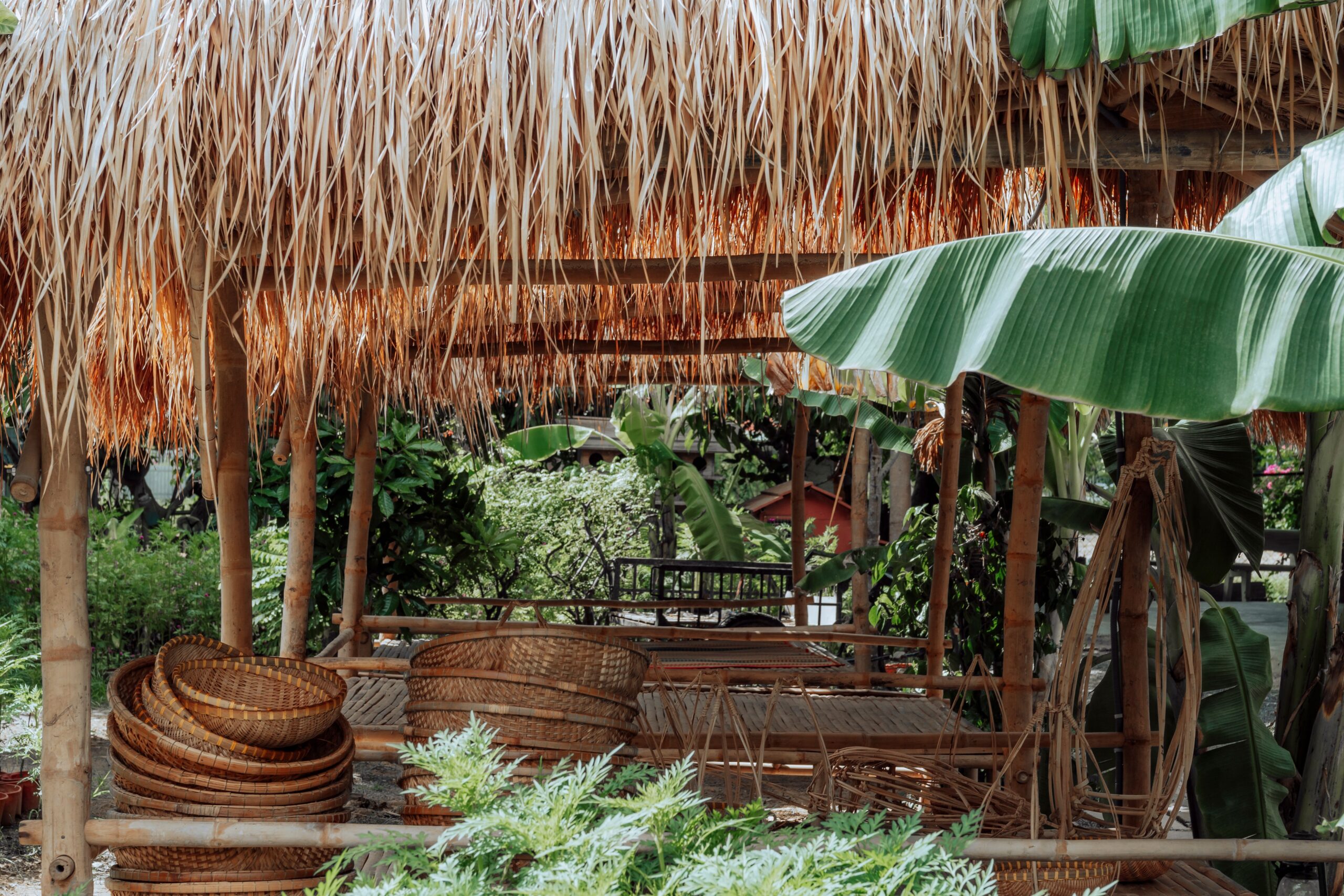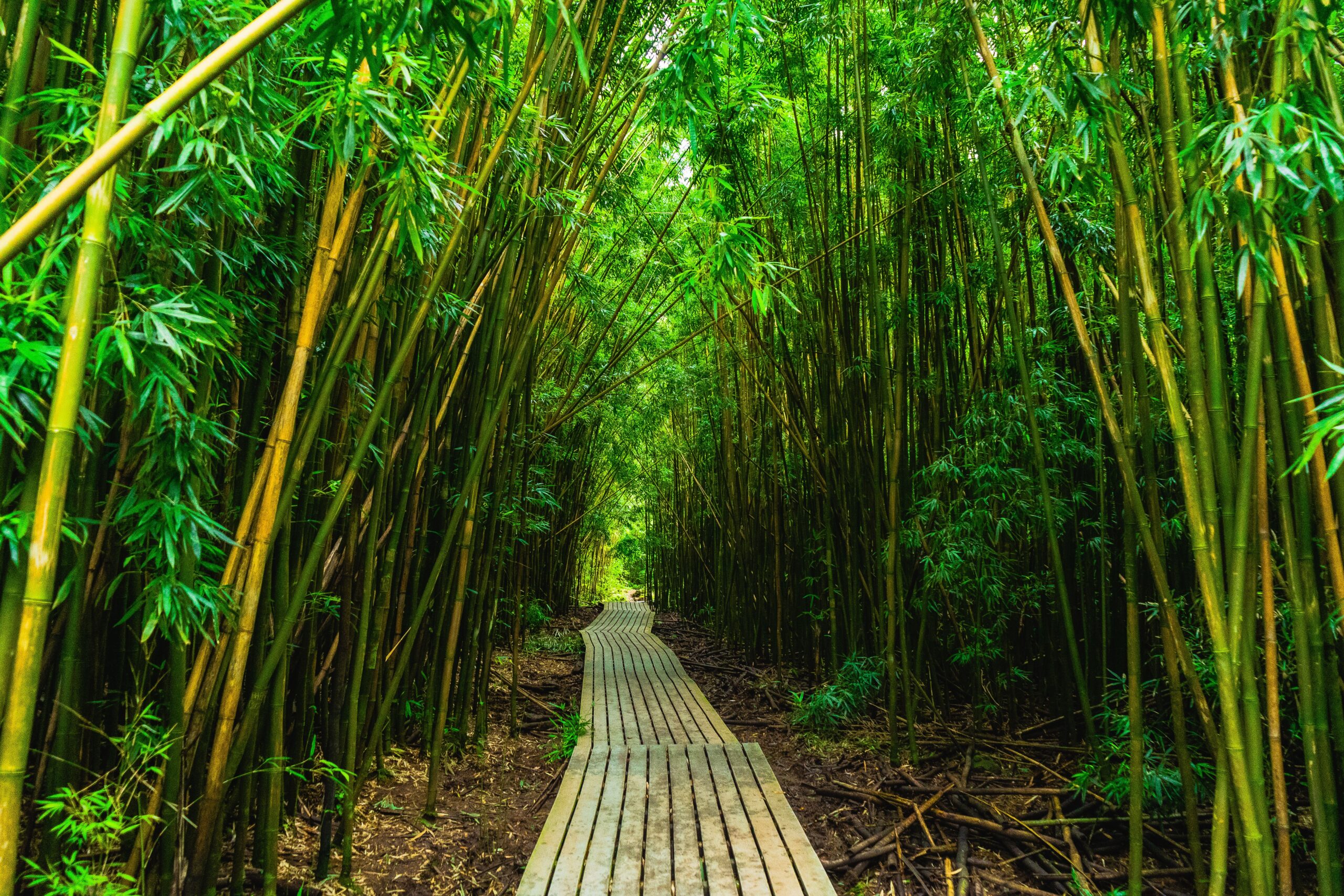
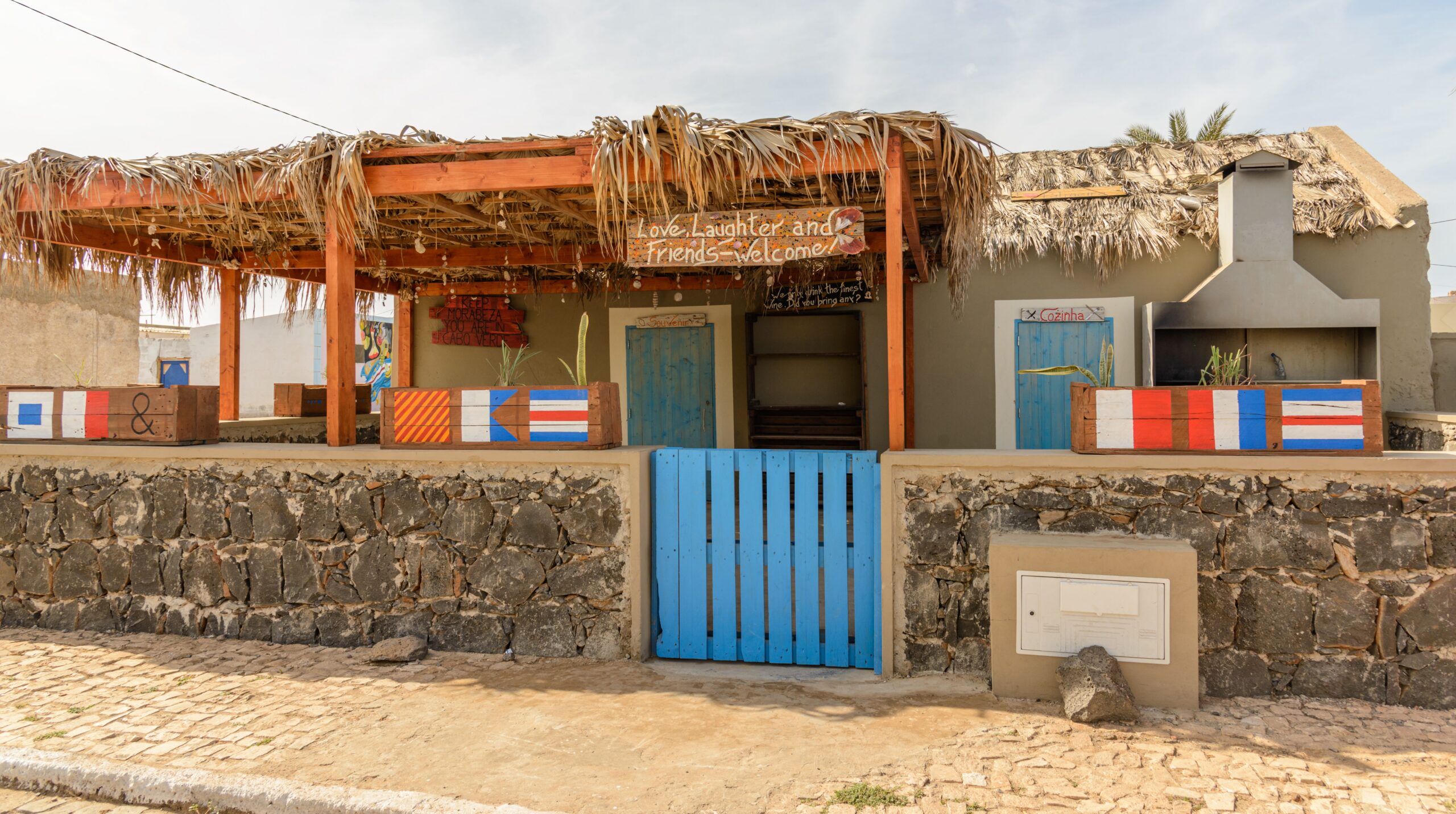
Creating a successful zoo exhibit requires more than a well-designed animal habitat. The surrounding architecture, visitor pathways, entrance structures, signage, restaurants, viewing areas, and service spaces all contribute to the overall experience. The materials selected for these areas can help create a natural setting while providing the functionality needed for a busy commercial environment.
Bamboo products for zoo exhibits offer architects, exhibit designers, contractors, and zoo developers a versatile material for both decorative and structural applications. Bamboo poles can establish the character of an animal habitat, fencing can guide visitors, panels can create themed walls, and screening can conceal back-of-house areas.
The right product depends on the application, environmental conditions, and design goals. Natural bamboo can provide authentic organic character, while synthetic bamboo can offer consistency and lower-maintenance options for suitable applications.
Best Bamboo Products for Zoo Exhibits
Selecting the best bamboo product begins with understanding where and how it will be used.
Different bamboo products have different characteristics. Solid bamboo, Tre-Gai, and Guadua can be considered for appropriate structural applications, while Tonkin bamboo is better suited to decorative uses.
Tre-Gai is known for straight growth and thick walls, making it suitable for substantial architectural elements. Guadua is valued for strength and is commonly used in construction. Tonkin bamboo provides a lighter decorative option where structural performance is not required.
Synthetic bamboo offers another option for suitable non-structural applications. Artificial Interlocking Bamboo is manufactured from nylon polyamide and is available in different diameters. Its interlocking sections can be assembled into customized lengths.
When selecting bamboo products for zoo exhibits, consider:
- Structural or decorative requirements
- Indoor or outdoor location
- Pole diameter and length
- Moisture exposure
- UV exposure
- Desired appearance
- Maintenance requirements
- Installation requirements
This application-based approach helps ensure that the selected product is appropriate for the environment.
Bamboo Poles for Animal Habitats
Animal habitats are one of the most important applications for commercial bamboo. The materials surrounding an enclosure can influence how natural and immersive the environment feels to visitors.
Bamboo poles can be incorporated into habitat structures, exhibit façades, decorative frameworks, shelters, entrance structures, and themed features.
Large-diameter bamboo poles can create prominent architectural elements around habitat entrances, animal shelters, and exhibit structures. Smaller poles can provide detail through latticework, screens, decorative frameworks, and other features.
For structural applications, the species and dimensions should be selected according to the project’s engineering requirements. Solid bamboo, Tre-Gai, and Guadua can provide options for properly engineered structural applications.
Tre-Gai can be particularly effective when designers want a substantial natural appearance. Its pronounced nodes and thick walls can contribute distinctive character to large architectural features.
Bamboo can also be combined with concrete, steel, wood, stone, and landscaping. This can soften conventional construction materials and help integrate functional structures into the surrounding habitat.
The result is an environment where architecture becomes part of the exhibit rather than appearing disconnected from it.
Bamboo for Zoo Entrances and Visitor Areas
An exhibit entrance creates an immediate impression on visitors. It introduces the theme and establishes expectations for what they will experience inside.
Bamboo poles can be used to create distinctive entrances, arches, columns, decorative frameworks, and themed structures. Large poles can establish a strong architectural presence, while smaller poles can add visual detail.
For rainforest, tropical, Asian-inspired, and other nature-focused exhibits, bamboo can communicate the intended theme before visitors even reach the main habitat.
Bamboo can also extend throughout visitor areas. Pathways, queue lines, viewing areas, restaurants, cafés, and educational spaces can incorporate bamboo to create visual continuity.
Bamboo fencing can guide visitors while maintaining a natural appearance. Rustic bamboo fencing can be used for privacy, crowd control, pathway separation, and decorative screening. Flexible construction can also accommodate curved paths and irregular layouts.
This is particularly useful in zoos because visitor routes often curve around animal habitats, landscaping, water features, and themed structures.
Bamboo Panels for Themed Exhibit Environments
Bamboo panels provide another effective way to introduce natural texture across large surfaces.
They can be used for decorative walls, privacy screens, exhibit backgrounds, façade treatments, partitions, and themed structures.
Panels can also help transform existing infrastructure during renovation projects. For example, a conventional chain-link fence may provide the required boundary but may not match the visual identity of a newly renovated exhibit. Bamboo fencing or screening can be incorporated over suitable existing structures to create a more natural appearance.
This can be especially useful when the goal is to improve an existing exhibit without completely replacing its underlying infrastructure.
Bamboo panels can also separate visitor areas from service spaces and provide visual backdrops behind educational displays.
Natural bamboo provides organic variation, while synthetic bamboo can provide greater consistency where uniform color, texture, and dimensions are important.
Natural-Looking Materials for Immersive Zoo Design
An immersive exhibit is created through the combination of many elements. Animal habitats, architecture, landscaping, fencing, pathways, signage, lighting, and visitor facilities should work together rather than appearing as separate components.
Natural-looking materials can reduce the visual contrast between constructed elements and the surrounding environment.
Bamboo works particularly well alongside:
- Natural wood
- Eucalyptus poles
- Thatch
- Stone
- Rockwork
- Woven materials
- Landscaping
- Water features
For example, an exhibit entrance could use large bamboo poles with a thatched roof, while bamboo fencing continues along the visitor pathway. Bamboo screens could conceal service areas farther inside the exhibit, and bamboo-framed educational displays could provide information about the animals.
Repeating similar materials throughout the environment creates visual continuity and makes the exhibit feel intentionally designed.
Natural Bamboo for Authentic Habitat Design
Natural bamboo is particularly valuable when authentic appearance is a major design objective.
Every natural bamboo pole can have differences in grain, color, diameter, and node characteristics. These variations can make a habitat feel more organic and less manufactured.
Natural bamboo can be used for:
- Habitat theming
- Exhibit façades
- Structural frameworks
- Decorative columns
- Shelters
- Interior features
- Restaurant interiors
- Visitor structures
- Educational displays
When used outdoors, natural bamboo requires appropriate installation and maintenance. Keeping poles away from direct ground contact and protecting them from excessive moisture can help extend their service life.
Natural bamboo is particularly effective in protected indoor exhibits, covered structures, restaurants, cafés, and other environments where authentic appearance is an important design consideration.
For architects and designers seeking genuine bamboo materials, Natural Bamboo Products offer options for commercial applications.
Synthetic Bamboo for Demanding Zoo Applications
Synthetic bamboo can provide an alternative when consistency, durability, UV resistance, or reduced maintenance are important.
It can be used for suitable non-structural applications in outdoor environments, visitor areas, water-feature surroundings, screening, and utility concealment.
Artificial Interlocking Bamboo is available in multiple diameters and can be assembled into customized lengths. This can be useful when a commercial project requires dimensions that do not correspond to standard natural pole lengths.
Synthetic bamboo can also provide greater consistency in color, texture, and dimensions. This is helpful when the same visual treatment is repeated throughout a large zoo.
For applications where durability and lower maintenance are priorities, Synthetic Bamboo Products can provide additional options.
Synthetic bamboo should not, however, be treated as a structural replacement for structural natural bamboo. Product selection should always be based on the intended application.
Bamboo for Visitor Pathways, Fencing, and Screening
Visitor circulation creates many opportunities to incorporate bamboo into zoo design.
Bamboo fencing can guide guests along pathways, separate queue areas, and define exhibit boundaries. Bamboo screening can also provide visual separation around staff areas and reduce the visibility of service infrastructure.
Screening can conceal:
- Maintenance areas
- Storage spaces
- Utility equipment
- Plumbing
- Electrical components
- Service areas
- Back-of-house operations
This can be especially useful in immersive environments where visitors should focus on the exhibit rather than the infrastructure supporting it.
Synthetic bamboo poles with hollow centers can also provide options for concealing wiring, conduit, and plumbing while maintaining a themed appearance.
Keeping utilities accessible to maintenance teams while reducing their visual impact can significantly improve the finished appearance of an exhibit.
Bamboo for Zoo Restaurants, Cafés, and Gift Shops
The zoo experience extends beyond animal habitats. Restaurants, cafés, gift shops, and other visitor facilities can also use bamboo to maintain the property’s overall visual theme.
Bamboo can be used for:
- Bar façades
- Counter details
- Room dividers
- Ceiling treatments
- Wall features
- Decorative frameworks
- Display areas
- Outdoor dining areas
Natural bamboo can create warmth in restaurants and cafés while complementing tropical and nature-inspired interiors.
Gift shops can incorporate bamboo into display structures, shelving features, decorative walls, and entrance details.
Using similar bamboo elements in commercial spaces and nearby exhibits can create a connected visitor experience.
Bamboo for Signage, Wayfinding, and Educational Displays
Signage is an important part of zoo design. Directional signs, maps, animal information, conservation messages, and educational displays help visitors understand and navigate the facility.
Bamboo can provide a natural-looking framework for these features.
Large poles can support entrance signs, while smaller poles can frame educational panels. Bamboo can also create decorative structures around maps, interactive displays, and species information.
This approach makes signage feel like part of the exhibit rather than a separate visual element.
For exposed outdoor signage, suitable synthetic bamboo can be considered where UV resistance and reduced maintenance are priorities.
Bamboo Cladding for Animal Houses and Shelters
Animal houses and shelters need to provide practical protection while remaining visually integrated with the habitat.
Bamboo cladding can help soften concrete, metal, and other conventional construction materials.
Bamboo poles can be arranged vertically or horizontally across suitable portions of a façade. Panels and screening can provide additional texture and visual depth.
Cladding does not need to cover an entire building. Strategic use around entrances, walls, windows, and architectural details can help connect the structure with the surrounding environment.
For outdoor animal houses, designers should consider moisture, sunlight, maintenance, and expected exposure when selecting the appropriate bamboo product.
Combining Bamboo Products Across One Zoo Project
A large zoo does not need to use one bamboo product everywhere.
Different applications can use different materials according to their specific requirements.
For example:
Animal habitat: Natural structural bamboo can create authentic architectural features.
Exhibit entrance: Large bamboo poles can establish a strong visual identity.
Visitor pathway: Bamboo fencing can guide guests while reinforcing the theme.
Back-of-house area: Bamboo screens can conceal equipment and service spaces.
Water feature: Suitable synthetic bamboo can provide non-structural theming in moisture-intensive environments.
Restaurant: Natural bamboo can add warmth and organic texture.
Outdoor visitor area: Suitable UV-resistant synthetic bamboo can provide consistent appearance with reduced maintenance.
This approach gives architects more flexibility while maintaining a cohesive design.
Plan Your Commercial Bamboo Project
Selecting bamboo products for zoo exhibits should begin with the intended application, environmental conditions, and design objectives.
Natural bamboo can provide authentic character for animal habitats, exhibit façades, entrances, interiors, and decorative structures. Synthetic bamboo can provide suitable alternatives for non-structural applications where UV exposure, moisture, consistency, or lower maintenance are important.
For architects, exhibit designers, contractors, and zoo developers, planning quantities and dimensions early can make procurement easier. Large projects may require hundreds or thousands of poles, so discussing sizes, availability, delivery schedules, and product requirements with a commercial supplier is important.
amaZulu provides natural and synthetic bamboo options for commercial applications, including zoo exhibits, animal enclosures, themed environments, and visitor spaces.
If you are planning a new habitat, exhibit renovation, visitor-area upgrade, or themed commercial space, explore Bamboo Poles for Sale to review available pole options.
You can also explore Natural Bamboo Products for authentic materials or Synthetic Bamboo Products for suitable applications where consistency, environmental resistance, and lower maintenance are priorities.
With thoughtful product selection, bamboo can become more than a decorative material. It can connect animal habitats, architecture, visitor spaces, and commercial areas into one cohesive environment.
amaZulu can help project teams explore bamboo options according to their specific commercial requirements, from individual design features to larger exhibit installations.
Whether the goal is to create an authentic habitat, improve an existing visitor pathway, conceal back-of-house infrastructure, or develop a complete themed environment, choosing the right bamboo product can help create a natural-looking and memorable zoo experience.
For large commercial projects, working with amaZulu early in the design and procurement process can also help architects and contractors evaluate available products, dimensions, quantities, and applications before materials are ordered.