A successful zoo exhibit should do more than provide a functional animal habitat. It should create an environment that feels natural, immersive, and memorable while supporting the practical needs of visitors, staff, and daily operations. Materials play an important role in creating that balance.
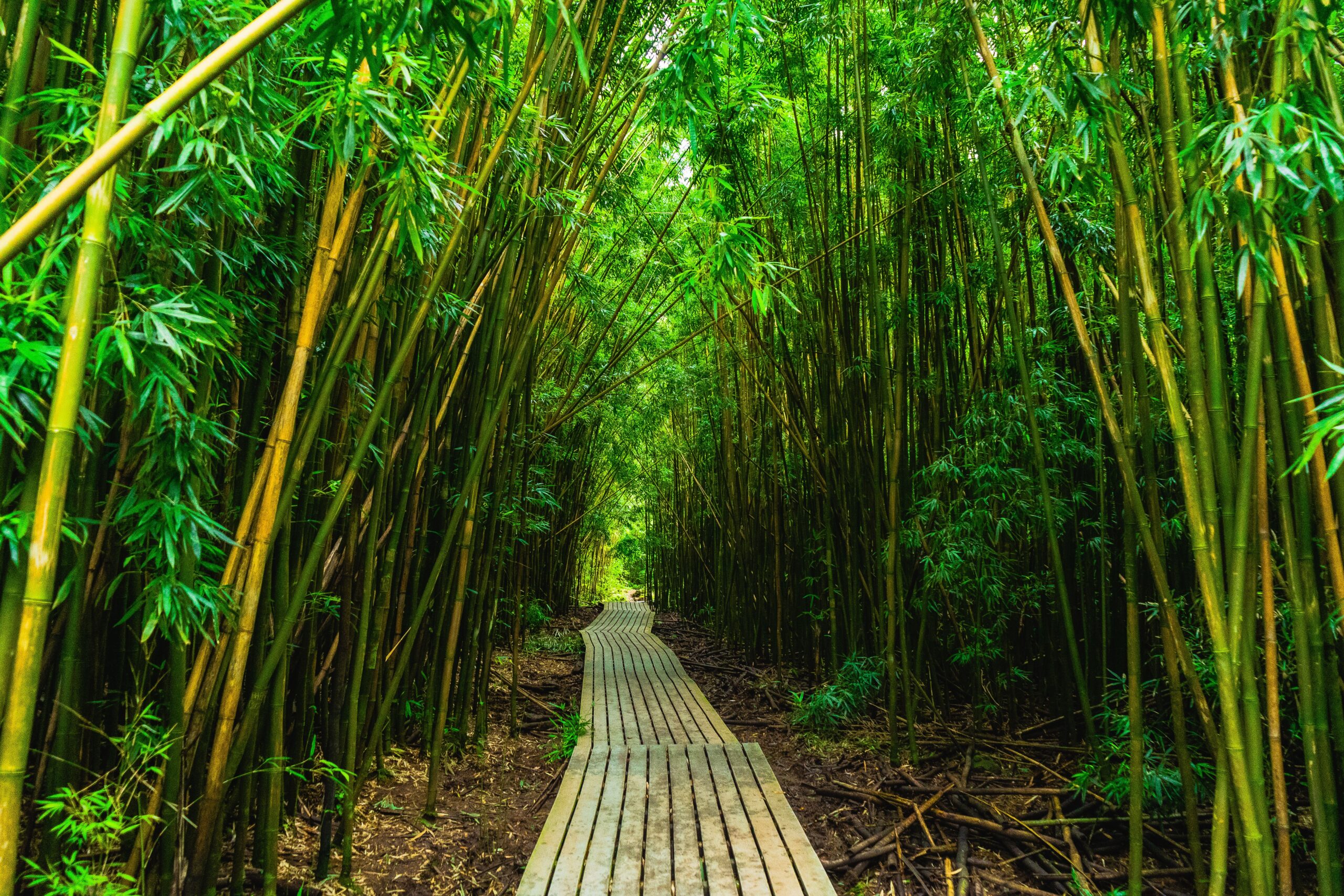
Bamboo can bring natural texture and warmth to animal habitats, exhibit façades, entrance structures, pathways, viewing areas, restaurants, educational displays, and themed architectural features. For architects, exhibit designers, contractors, and zoo developers, bamboo products for zoo exhibits can be selected according to the specific application, environment, appearance, and performance requirements.
Natural bamboo can provide authentic organic character, while synthetic bamboo can offer consistency and reduced maintenance for suitable non-structural applications.
Best Bamboo Products for Zoo Exhibits
There is no single bamboo product that is ideal for every zoo application. The right choice begins with understanding how the material will be used.
Solid bamboo poles can be considered for structural applications because of their strength and durability. Tre-Gai is known for straight growth and thick walls and can be used in structural and architectural applications. Guadua is recognized for strength and is commonly used in construction. Tonkin bamboo is generally more appropriate for decorative applications where significant structural performance is not required.
Synthetic bamboo provides another option for suitable non-structural applications. Artificial Interlocking Bamboo is manufactured from nylon polyamide and is available in multiple diameters. Its interlocking sections can be assembled into customized lengths.
Before selecting a product, consider:
- Structural or decorative requirements
- Indoor or outdoor location
- Required diameter and length
- Moisture exposure
- UV exposure
- Desired appearance
- Maintenance requirements
- Installation conditions
Bamboo Poles for Animal Habitats
Animal habitats are among the most important applications for commercial bamboo because the material can help connect constructed features with the surrounding landscape.
Bamboo poles can be used for habitat theming, exhibit façades, shelters, architectural frameworks, decorative structures, and entrance features. Large poles can establish a strong visual presence around animal houses and habitat entrances, while smaller poles can provide detail through latticework, screens, and decorative frameworks.
For load-bearing applications, the selected bamboo should be appropriate for structural use and evaluated by the project’s design professionals. Species, diameter, wall thickness, connections, and expected loads all need consideration.
Bamboo can also be combined with steel, concrete, wood, stone, rockwork, and landscaping. This mixed-material approach allows functional construction to remain practical while giving the finished exhibit a more natural appearance.
For authentic commercial bamboo materials, Natural Bamboo Products can provide options for habitat theming, architectural details, and other commercial applications.
Bamboo for Zoo Entrances and Visitor Areas
An exhibit entrance establishes the first impression of a habitat. Bamboo poles can be used to create columns, arches, entrance frameworks, decorative structures, and themed features.
Large poles can create a substantial entrance statement, while smaller poles can provide additional detailing. Bamboo can be especially effective in rainforest, tropical, Asian-inspired, and nature-focused themes.
The material can then continue through visitor areas. Bamboo fencing can guide guests along pathways and queue lines, while screens can define spaces and provide visual separation.
Using bamboo in several locations creates consistency. Visitors may encounter bamboo at the entrance, along a pathway, around a viewing area, and inside nearby commercial spaces. This repetition helps make the exhibit feel intentionally designed rather than assembled from unrelated components.
Bamboo Panels for Themed Exhibit Environments
Bamboo panels and fencing can transform large surfaces without requiring every underlying structure to be replaced.
They can be used for decorative walls, exhibit backgrounds, partitions, façade treatments, privacy screens, and themed architectural features. Bamboo fencing can also be attached to suitable existing chain-link fencing, providing an efficient way to update an existing exhibit.
This can be especially valuable for zoo renovation projects where existing infrastructure remains functional but needs a visual transformation.
Bamboo panels can also separate visitor areas from service spaces or provide backgrounds for educational displays.
Natural bamboo provides organic variation, while synthetic options can provide greater consistency when a repeated design requires similar color, texture, and dimensions.
Natural-Looking Materials for Immersive Zoo Design
Bamboo is most effective when it is part of a broader material palette.
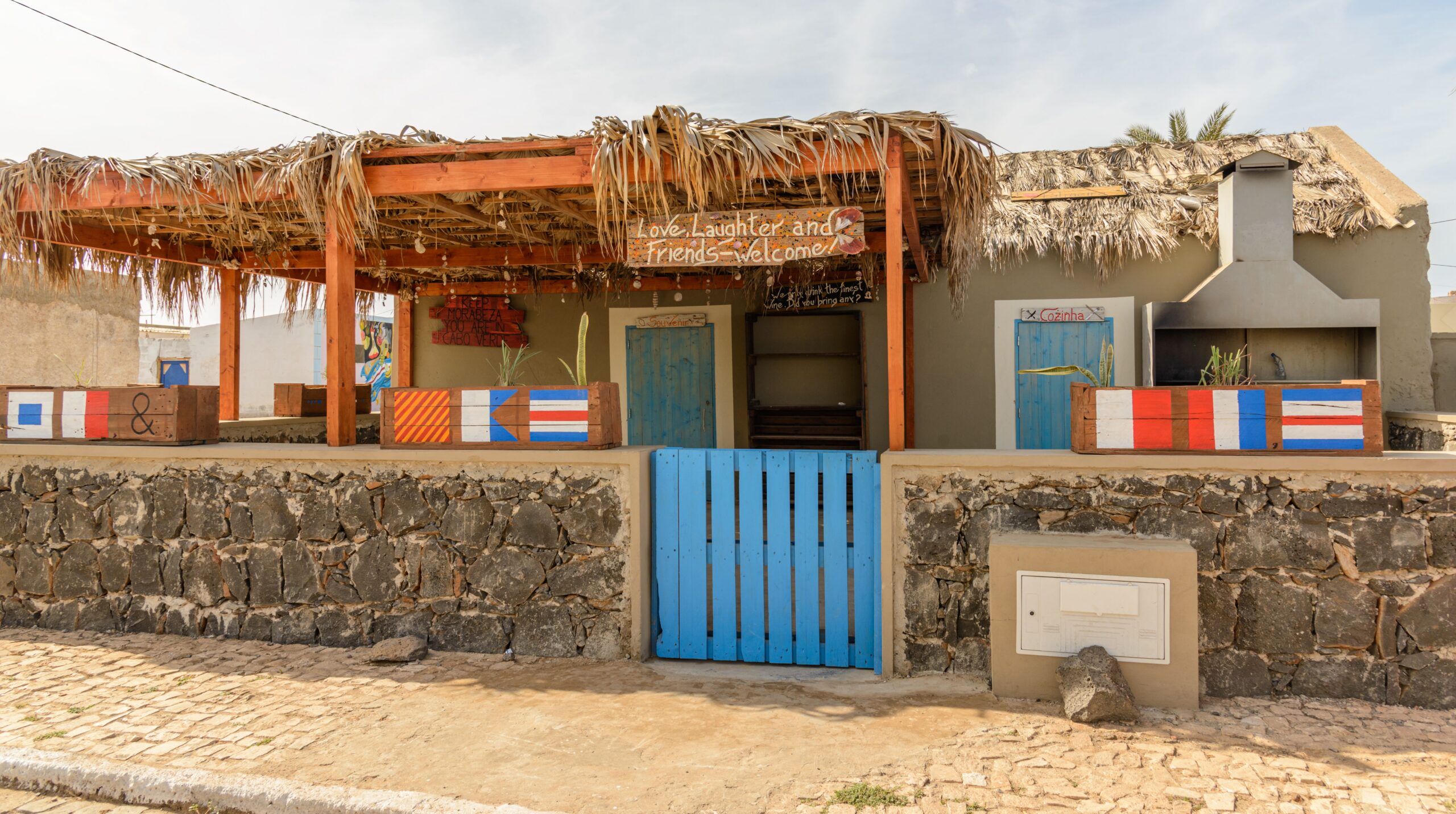
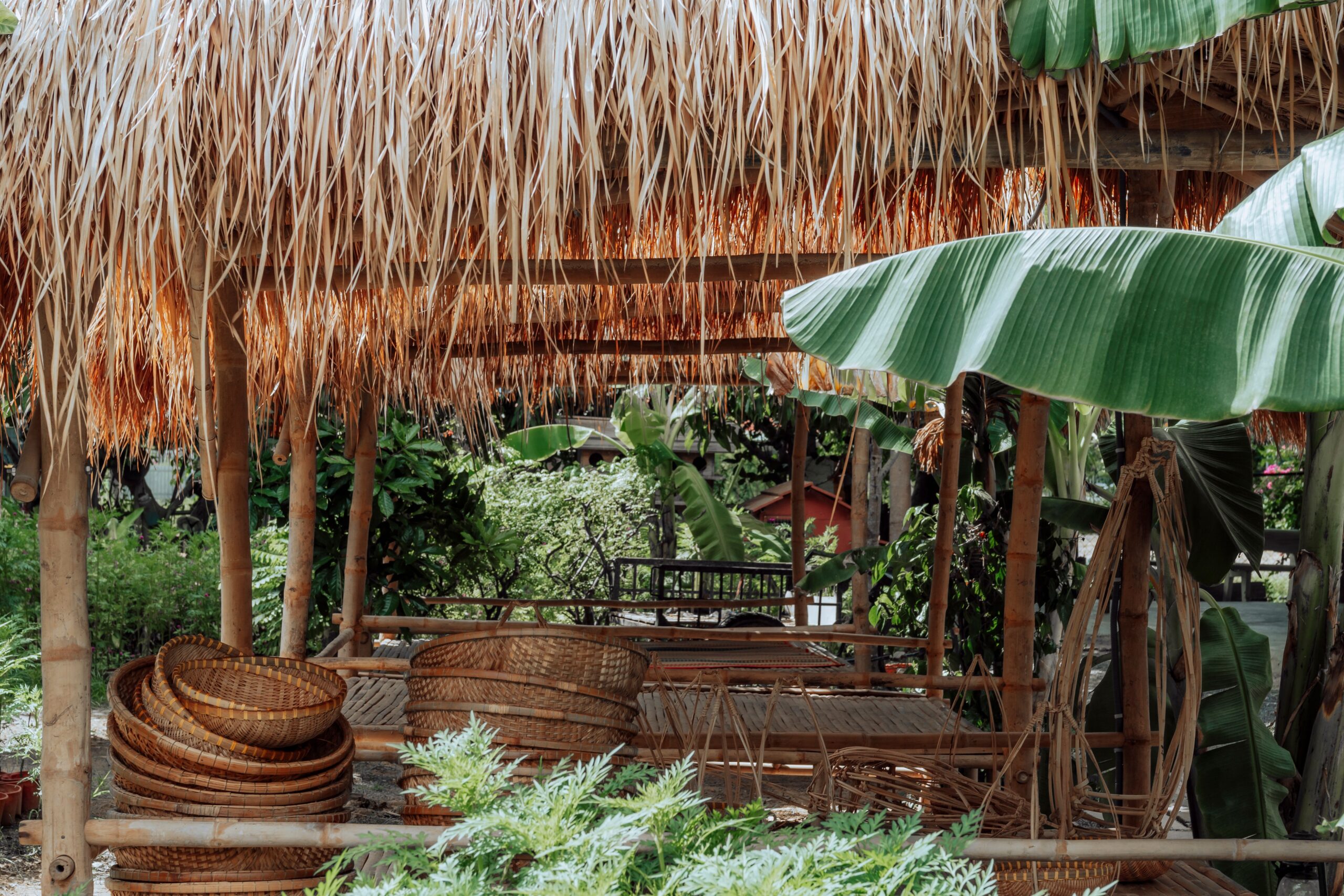
Natural wood, eucalyptus poles, thatch, stone, rockwork, landscaping, woven materials, and water features can complement bamboo and strengthen an exhibit theme.
For example, an entrance could combine bamboo poles with thatched roofing and landscaping. Bamboo fencing could continue along the visitor route, while bamboo screens conceal service areas farther inside. Educational signs could use bamboo framing to continue the same visual language.
Natural bamboo is particularly useful where authentic texture and variation are desired. Its grain, nodes, color, and diameter can vary naturally, giving the installation an organic appearance.
Synthetic bamboo can provide a more standardized appearance where consistency is important. It can also be useful for suitable applications exposed to sunlight, moisture, and weather.
Bamboo for Visitor Pathways and Viewing Areas
Visitor circulation is an important part of exhibit design. Bamboo fencing can help define pathways and queue areas while reinforcing the surrounding theme.
Around viewing areas, bamboo can be incorporated into decorative barriers, screens, and boundary features. Where a barrier performs a safety-critical or structural function, the engineered support system should provide the required performance, with bamboo used only where appropriate.
Bamboo fencing can also be useful for privacy and crowd management. Lightweight bamboo panels can transform existing chain-link fences or walls and provide visual separation while maintaining airflow.
This makes bamboo particularly useful in outdoor visitor environments where designers want boundaries to feel like part of the landscape.
Bamboo Screens for Back-of-House Concealment
Zoo exhibits require extensive infrastructure that visitors do not necessarily need to see. Maintenance areas, storage, electrical systems, plumbing, and service equipment are essential but can interrupt an immersive environment when left exposed.
Bamboo screens can conceal these areas while preserving access for staff.
Possible applications include screening around:
- Utility equipment
- Plumbing
- Electrical components
- Storage areas
- Maintenance spaces
- Staff-only areas
- Mechanical equipment
Synthetic bamboo can also help conceal conduit and plumbing where hollow construction is appropriate. This allows necessary infrastructure to remain functional while becoming less visually prominent.
Bamboo for Zoo Restaurants, Cafés and Gift Shops
The visitor experience continues beyond animal habitats. Restaurants, cafés, gift shops, and other commercial areas can use bamboo to maintain a consistent design theme.
Bamboo can be incorporated into:
- Bar façades
- Counter details
- Wall features
- Room dividers
- Ceiling treatments
- Display structures
- Decorative frameworks
- Outdoor dining areas
Natural bamboo can add warmth and organic character to indoor commercial spaces. Synthetic bamboo can provide consistent appearance for suitable applications where environmental exposure or maintenance is a concern.
A restaurant beside a tropical exhibit, for example, could repeat the bamboo textures used around the habitat. A gift shop could use bamboo display structures and wall accents to continue the same visual identity.
Bamboo for Signage, Wayfinding and Educational Displays
Signage provides another opportunity to integrate bamboo into exhibit design.
Bamboo poles can support entrance signs and directional features, while smaller poles can frame educational panels, animal information, conservation messages, maps, and interactive displays.
When bamboo is already present throughout an exhibit, using it around signage can make educational elements feel like part of the environment.
Outdoor signage should be designed with environmental exposure in mind. Suitable synthetic bamboo can be considered for non-structural decorative framing where UV exposure and maintenance are important.
The sign and its supporting structure should still be designed according to the project’s functional and safety requirements.
Bamboo Cladding for Animal Houses and Shelters
Animal houses and shelters often use concrete, steel, and other conventional construction materials. While these materials provide necessary performance, they may not always match the natural character of the surrounding habitat.
Bamboo cladding can soften these surfaces and add texture to façades.
Poles or panels can be arranged vertically or horizontally around entrances, walls, windows, and covered areas. Strategic cladding can connect a shelter visually with the landscape without covering the entire structure.
Outdoor cladding should account for moisture, sunlight, ventilation, access, installation, and maintenance requirements.
Choosing Natural or Synthetic Bamboo
Natural and synthetic bamboo each have useful roles in zoo projects.
Natural bamboo is often preferred when authenticity is the priority. It works particularly well in protected indoor environments, covered structures, habitat theming, decorative features, and architectural applications where natural variation is desirable.
Synthetic bamboo can be considered for suitable non-structural applications where consistency, UV resistance, moisture exposure, weather resistance, or reduced maintenance are important. Artificial bamboo can offer uniform color, texture, and dimensions and can require minimal upkeep compared with outdoor natural bamboo.
The two materials can be used together. Natural bamboo may be selected for an indoor rainforest habitat, while synthetic bamboo could be used for an exposed outdoor screen or a suitable water-feature application.
This application-specific approach gives architects greater flexibility.
Zoo Bamboo Supplier, Pricing and Delivery
Choosing the right supplier is an important part of a commercial bamboo project. Large zoo installations may require hundreds or thousands of poles, fencing panels, screening materials, or other bamboo products. Buying in bulk can help maintain supply and create a more consistent appearance across an installation.
Small orders may not qualify for bulk discounts, while substantial discounts can become available for orders involving several hundred to more than a thousand poles. Container quantities may provide additional savings depending on the product and project requirements. Project-specific pricing can vary according to dimensions, species, treatment, customization, quantity, and delivery requirements.
For large orders, provide the supplier with required diameters, lengths, quantities, application details, and delivery location. This information can help produce a more accurate commercial quotation.
Lead time should also be considered early. Standard stock products may be available on shorter notice, while custom specifications, treated products, and fire-retardant treatments can require additional planning. Fire-retardant treatment may require approximately three to four months, while custom and bulk orders can vary according to project requirements.
Phased delivery can be useful for zoo renovations. Instead of receiving every material at once, project teams can coordinate shipments with construction phases. This can reduce on-site storage and allow materials to arrive closer to installation.
Direct delivery to the construction site can also simplify logistics. Before scheduling a shipment, confirm the site address, receiving hours, access conditions, unloading arrangements, storage location, and delivery contact.
For architects and exhibit designers, samples should be requested before approving a large order. Natural bamboo samples allow teams to evaluate color, grain, nodes, diameter, and overall appearance. Synthetic samples can help evaluate finish, texture, color, and consistency.
Technical information should also be requested for the exact product being considered. Depending on the application, this may include product specifications, dimensions, species, treatment information, fire-performance information, UV characteristics, installation instructions, maintenance recommendations, and warranty details.
amaZulu provides natural and synthetic bamboo options for commercial projects, including zoo exhibits and animal enclosures, with bulk purchasing and custom project options available.
Plan Your Zoo Bamboo Project
A successful bamboo installation begins with matching the product to the application. Animal habitats may require structural or decorative natural bamboo, while visitor screens, fencing, signage, and other suitable non-structural applications may benefit from synthetic options.
Entrance structures, pathways, viewing areas, back-of-house screens, restaurants, signage, educational displays, animal shelters, and façades can all incorporate bamboo as part of a cohesive design strategy.
If you are planning a commercial zoo project, explore Bamboo Poles for Sale to review available pole options. You can also explore Natural Bamboo Products for authentic materials or Synthetic Bamboo Products for suitable applications where consistency, environmental resistance, and reduced maintenance are priorities.
amaZulu can support project teams evaluating bamboo products, quantities, dimensions, pricing, and delivery requirements.
By planning material selection, quantities, samples, pricing, lead times, and delivery early, architects and contractors can create a smoother procurement process and a more cohesive finished exhibit.
amaZulu offers bamboo solutions for commercial environments where natural appearance and practical performance need to work together. Whether the project involves a new animal habitat, exhibit renovation, visitor-area upgrade, or complete themed environment, carefully selected bamboo can help create a natural-looking, functional, and memorable zoo experience.