
Tristan Ishtar
VP of Sales
The short answer is yes — and they already are. Eucalyptus poles show up regularly in some of the most demanding public environments in the commercial world: theme parks that host millions of visitors a year, resort pool decks with constant foot traffic, zoo exhibits where structural integrity and guest safety are non-negotiable, and waterpark shade structures exposed to moisture, UV, and heavy daily use. The real question isn’t whether eucalyptus can handle high-traffic public spaces, but rather what it takes to spec and install them correctly for that kind of environment.
Why Eucalyptus Holds Up in High-Traffic Environments
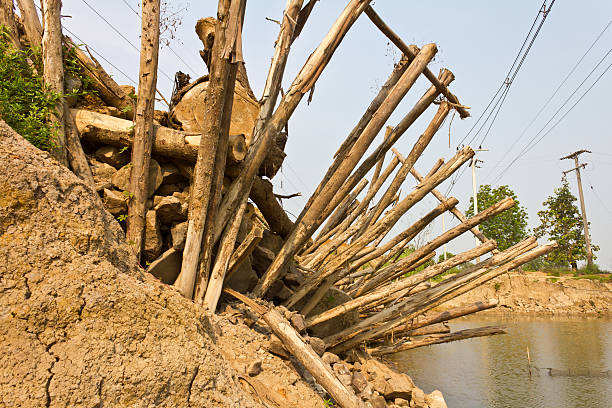
Eucalyptus is a dense hardwood that ranks alongside oak and hickory on the Janka hardness scale. That hardness matters in high-traffic public spaces because harder woods resist surface denting, scratching, and wear under constant contact and repeated cleaning — all of which are daily realities in commercial hospitality and entertainment environments.
Beyond hardness, eucalyptus has two performance properties that make it particularly well-suited to public space applications:
- It gets stronger when wet. Eucalyptus actually outperforms pressure-treated pine in submerged and high-moisture applications, which is why it’s widely used in waterpark structures and poolside installations where other wood species would degrade quickly.
- It resists pests and decay naturally. When combined with amaZulu’s EPA-certified pressure treatment, eucalyptus poles have a ground burial lifespan of 20-plus years — a strong performance standard for any public-facing structure expected to remain safe and attractive over a long service life.
As Tristan Ishtar, vice president of sales at amaZulu, notes, eucalyptus is “stronger than pine” and works with standard construction tools and hardware. That combination of structural strength and ease of installation makes it practical for large-scale public space projects where installation efficiency and long-term reliability both matter.
Where Eucalyptus Poles Perform Best in Public Spaces
Theme Parks and Water Parks
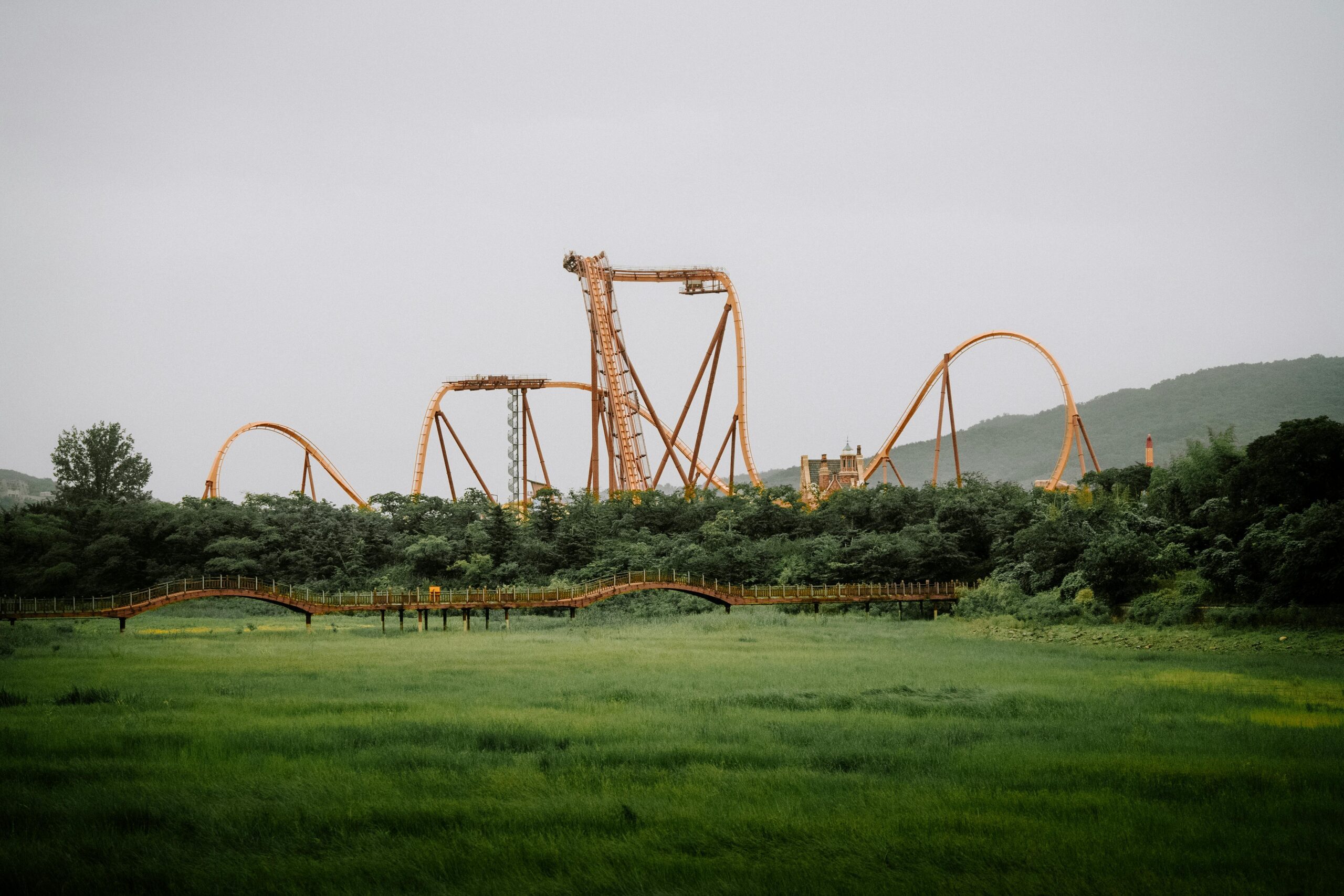
Theme parks and water parks are arguably the most demanding test for any outdoor building material. Structures face extreme daily use, frequent cleaning with commercial-grade products, constant UV exposure, and in many cases high humidity or direct water contact. Eucalyptus poles are a proven performer in this environment — used for shade structures, themed facades, pergolas, entrance features, and structural framing throughout themed entertainment venues.
Water parks in particular benefit from eucalyptus’s moisture performance. Synthetic bamboo poles are also used to conceal pipes and conduit in waterpark environments, but for structural applications, eucalyptus is the natural material of choice. amaZulu’s guide to using eucalyptus poles in theme park and resort projects covers the key installation considerations for these environments in detail.
Resort and Hotel Pool Decks
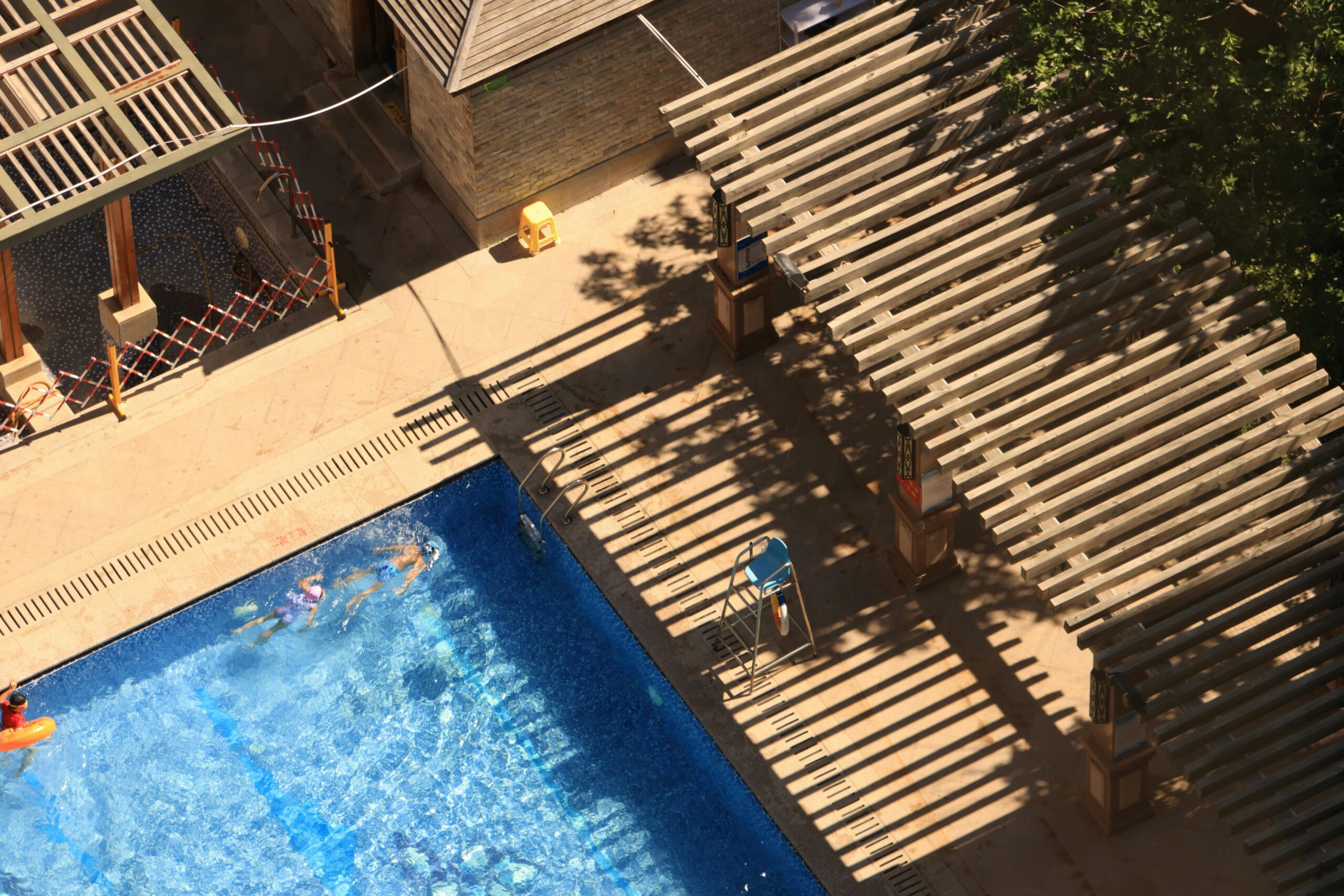
Pool decks and cabana areas at resorts place eucalyptus poles in constant contact with chlorinated water, sunscreen, heavy guest contact, and commercial cleaning schedules. The combination of natural density and pressure treatment gives eucalyptus the durability to handle all of those stressors without the frequent maintenance cycles that softer wood species would require.
For poolside shade structures and cabana frameworks, eucalyptus poles are commonly paired with synthetic thatch roofing to create covered areas that perform well commercially and look authentically tropical. The pairing works because both materials are built for long-term outdoor use. amaZulu’s roof cabana design guide has useful detail on how to approach these structures from a design and materials standpoint.
Zoo Exhibits and Animal Enclosures
Zoos present a unique combination of demands: structures must be safe for animals and visitors, visually authentic to themed environments, and able to withstand both direct animal contact and heavy public foot traffic in surrounding areas. Eucalyptus poles check every box. amaZulu’s treatment process is non-arsenic and non-toxic, making the poles safe for use in animal enclosures and public contact zones. Many leading zoos specify eucalyptus specifically for its combination of authentic natural appearance and structural reliability.
Public Parks and Commercial Landscaping
Beyond the entertainment and hospitality industries, eucalyptus poles are increasingly used in public park structures, botanical gardens, and commercial landscaping projects. The mrcrec.com blog on materials for durable park structures makes the point that initial investment in higher quality materials pays off significantly over time through reduced maintenance and replacement costs — a principle that applies directly to eucalyptus poles in public park applications.
Fire Safety in Public Spaces: A Critical Spec Decision
Any structure in a high-traffic public space where guests are present will face scrutiny from local building departments and fire marshals. For enclosed or semi-enclosed commercial venues — covered dining areas, resort restaurants, enclosed theme park attractions — fire-retardant treated materials are typically required by code.
amaZulu offers two fire-retardant treatment paths for eucalyptus poles:
- Inherently fire-retardant poles — factory treated for maximum protection, with a 3 to 4 month lead time
- Locally applied Class A fire retardant — faster turnaround for projects with tighter timelines
For fully outdoor open-air structures, fire-retardant treatment may not be required, but confirming this with the relevant building authority early in the design process is always the right approach. Specifying the wrong treatment level — or failing to specify it at all — creates compliance problems that are far more expensive to fix after installation than to address in the spec. The amaZulu blog covers fire safety considerations for commercial projects in their fire-retardant thatch and roofing materials guide.
Installation Considerations for High-Traffic Settings
A few installation details that directly affect performance in public spaces are worth calling out explicitly in the spec:
- Ground burial without concrete footings is an option with amaZulu’s pressure-treated eucalyptus poles, reducing installation cost and complexity without sacrificing longevity
- Hot-dipped galvanized or stainless steel fasteners are required — standard steel hardware corrodes and weakens connections over time in outdoor and high-moisture environments
- Preservative must be applied immediately to all cut ends and drilled surfaces during installation to maintain the integrity of the pressure treatment
- Periodic inspection of connection points should be part of any ongoing maintenance plan for public-facing structures
The Aesthetic Case for Eucalyptus in Public Spaces
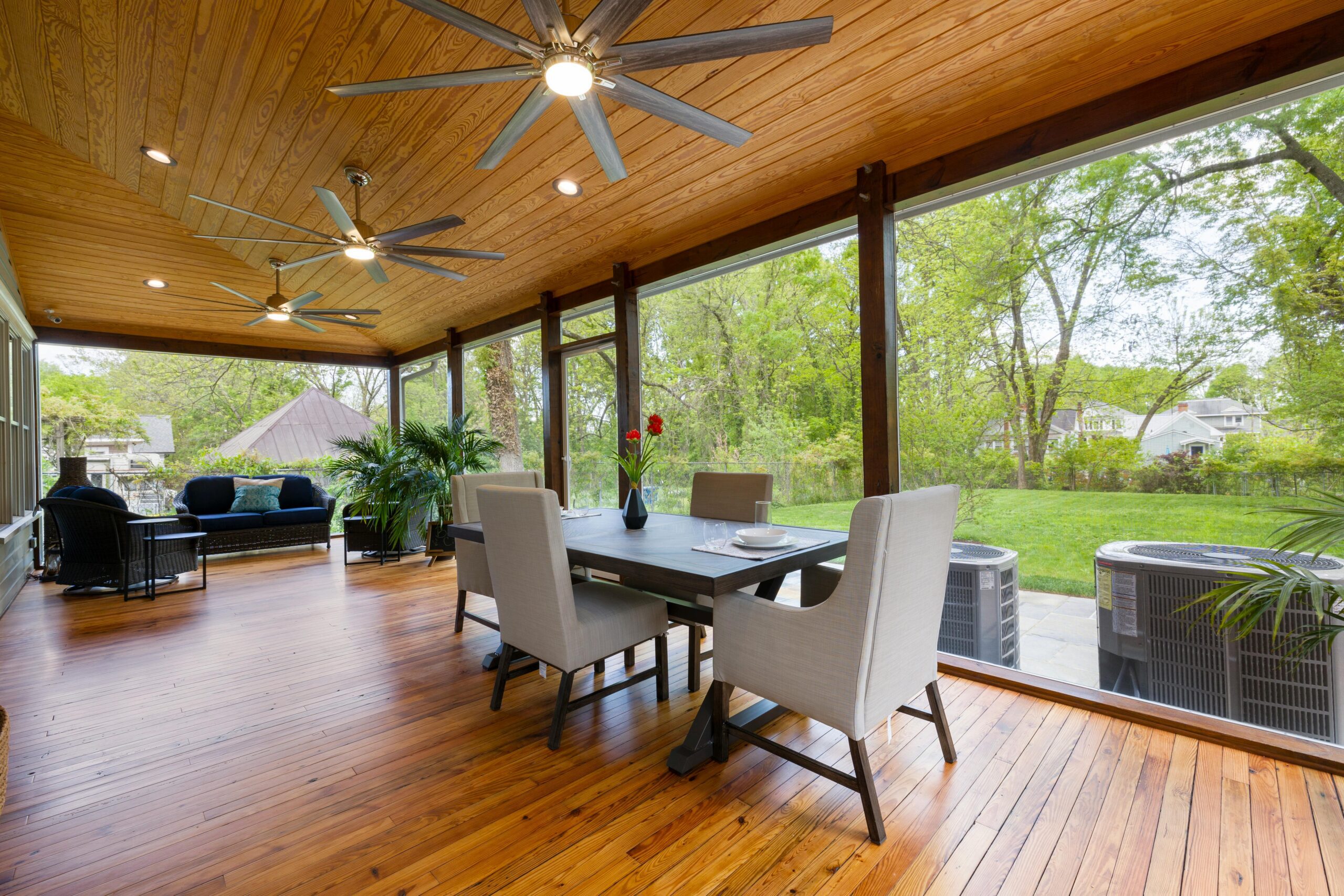
Beyond performance, eucalyptus poles bring something to high-traffic public spaces that manufactured materials simply can’t replicate: authentic organic character. The natural variation in each pole, the distinctive nodules, and the warm tonal palette create environments that feel genuinely immersive — exactly what themed resorts, entertainment venues, and experiential public spaces are trying to achieve.
For designers and facility managers spec-ing materials for high-traffic public environments, eucalyptus poles deliver the rare combination of structural reliability, safety compliance, low long-term maintenance, and visual authenticity that commercial public spaces demand. To discuss specifications for your next project, contact the amaZulu team.
Tristan Ishtar
VP of Sales
With over 11 years at amaZulu, Tristan brings deep expertise in tropical building materials and a customer-focused approach. He serves as a trusted consultant for architects and designers, providing expert guidance without high-pressure sales.