
Tristan Ishtar
VP of Sales
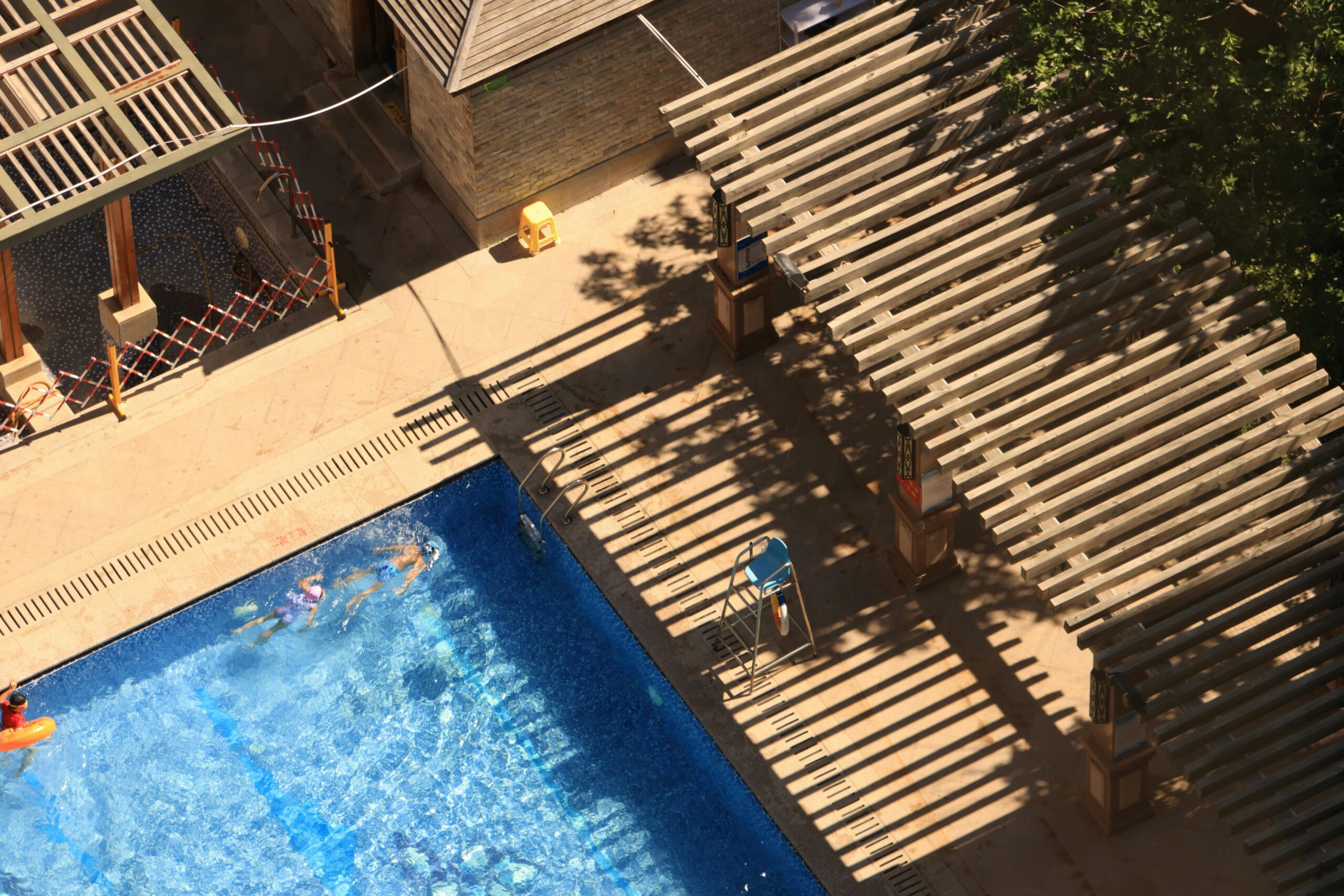
Pergolas are among the most visible structural investments a resort or hospitality property makes. They define pool decks, frame outdoor dining areas, create shaded walkways, and set the tone for the guest experience.
The material a designer chooses for those structures shapes everything — how they perform under years of commercial use, how much maintenance the facilities team inherits, and whether the finished result feels authentically inspired or like a backdrop guests immediately read as artificial. For resort and hospitality projects where all three factors matter, eucalyptus poles consistently deliver.
Why Eucalyptus Works for Resort Pergola Construction
Resort pergolas face a demanding combination of conditions — daily UV exposure, humidity around pool and waterfront areas, constant guest contact, regular commercial cleaning, and significant weather variation across seasons. Most wood species that look attractive in a rendering struggle to hold up against that combination without frequent maintenance.
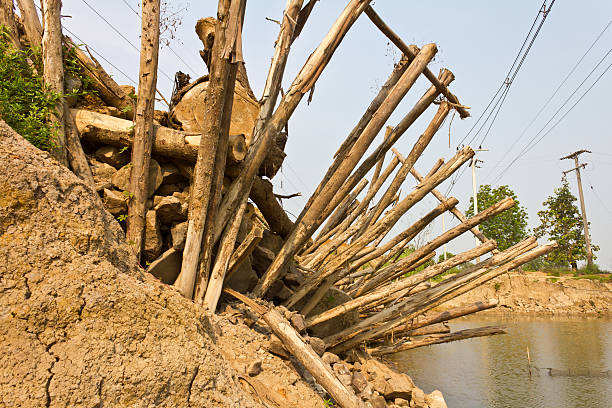
Eucalyptus handles it well. It is a dense hardwood comparable in hardness to oak and hickory, which means it resists denting and surface damage under constant contact. As Tristan Ishtar, vice president of sales at amaZulu, notes, eucalyptus is “stronger than pine” and works with standard tools and hardware, making it practical to build with at commercial scale.
Its moisture performance is particularly relevant for resort pool decks and waterfront pergolas. Eucalyptus actually gets stronger when wet, outperforming pressure-treated pine in high-moisture applications — a meaningful advantage for structures exposed to daily splashing and ambient humidity.
amaZulu’s eucalyptus poles are pressure-treated with an EPA-certified, non-arsenic process that provides a ground burial lifespan of 20-plus years. That means the vertical posts of a resort pergola, set directly in the ground without concrete footings, are built to outlast multiple renovation cycles while keeping installation costs manageable. The full range of amaZulu’s eucalyptus poles runs from 1″ to 8″ in diameter and up to 18′ in length, giving designers the sizing flexibility to spec both primary structural posts and secondary framing members from the same material family.
Aesthetic Flexibility Across Resort Themes
One of the strongest arguments for eucalyptus poles in resort pergola design is how well the material adapts across different design directions. The same species that makes an authentic tropical tiki pergola work equally well in a Mediterranean courtyard, an African safari-themed resort, or a contemporary coastal property — depending on how it is finished.
In its natural state, eucalyptus presents a warm reddish-brown tone with subtle nodules and organic grain variation. For tropical or African-themed environments, that natural finish paired with thatch roofing creates the immersive aesthetic that guests associate with genuine destination experiences. According to the amaZulu blog on eucalyptus poles in commercial construction, whitewashed eucalyptus poles work particularly well in Mediterranean-themed pergolas, offering a refined look that reads as sophisticated rather than rustic.
Eucalyptus takes stain and whitewash very well, even when pressure-treated. That finish flexibility means a single material can serve multiple design directions across a property — natural at the pool, whitewashed in a courtyard dining space, stained darker in a covered bar setting — without requiring different structural materials for each application.
Sizing Eucalyptus Poles for Resort Pergola Applications
Getting the diameter right for each structural role in a pergola is one of the most important spec decisions for resort projects. A well-sized eucalyptus pergola typically breaks down as follows:
- Primary vertical posts — larger diameters (4″ to 8″) for structural integrity and visual weight at major shade structures and pool pavilions
- Horizontal beams and rafters — mid-range diameters (2″ to 4″) depending on span length and load requirements
- Secondary framing and decorative elements — smaller diameters (1″ to 2″) for detail work and infill
Length selection is generally more straightforward. amaZulu’s standard lengths of 8′, 10′, 12′, and up to 18′ cover the vast majority of resort pergola applications. Designing around standard lengths wherever possible keeps procurement timelines and costs predictable.
Pairing Eucalyptus Poles With the Right Roofing
Eucalyptus poles provide the structural framework — but what goes on top of the pergola determines both its weatherproofing and its aesthetic impact. For resort properties, the most common and effective combinations include synthetic thatch roofing for tropical and themed environments, and open-frame or slatted eucalyptus for contemporary settings where filtered light is part of the design intent.
Synthetic thatch paired with eucalyptus pole framing is particularly well proven in resort hospitality environments. The combination reads as authentically tropical, withstands commercial use, and is available in fire-retardant versions that meet building department requirements for covered public structures. amaZulu’s roof cabana design guide covers these material pairings in detail for designers working on pool deck and outdoor dining applications.
Fire Rating Considerations for Covered Resort Structures
Any covered pergola structure in a commercial resort environment — particularly those over dining areas, pool decks, or entertainment spaces — will be reviewed by the local building department and fire marshal. Fire-retardant treated eucalyptus poles are typically required for enclosed or semi-enclosed commercial structures.
amaZulu offers two treatment paths for projects with fire rating requirements. Inherently fire-retardant poles are factory treated and require a 3 to 4 month lead time, while locally applied Class A fire retardant is available for projects with tighter timelines. Confirming which option applies to your project early in the design process — and ordering accordingly — prevents schedule delays that are far more disruptive than the planning conversation.
Installation Advantages for Resort Properties
Beyond material performance, eucalyptus poles offer a few installation advantages that matter specifically in resort environments where minimizing disruption to operations is a priority.
Direct ground burial without concrete footings means fewer excavation requirements and faster post installation — a meaningful advantage when working around active pool areas or existing resort landscaping. Eucalyptus also works with standard construction hardware and tools, so specialty contractors are not required, and local crews familiar with standard timber framing can work with the material effectively.
Resort pergola projects that pair well with eucalyptus poles are common in amaZulu’s 22-plus years of commercial experience across hospitality, theme park, and zoo projects. To discuss specifications and material combinations for your next resort pergola build, contact the amaZulu team directly.
Tristan Ishtar
VP of Sales
With over 11 years at amaZulu, Tristan brings deep expertise in tropical building materials and a customer-focused approach. He serves as a trusted consultant for architects and designers, providing expert guidance without high-pressure sales.