
Tristan Ishtar
VP of Sales
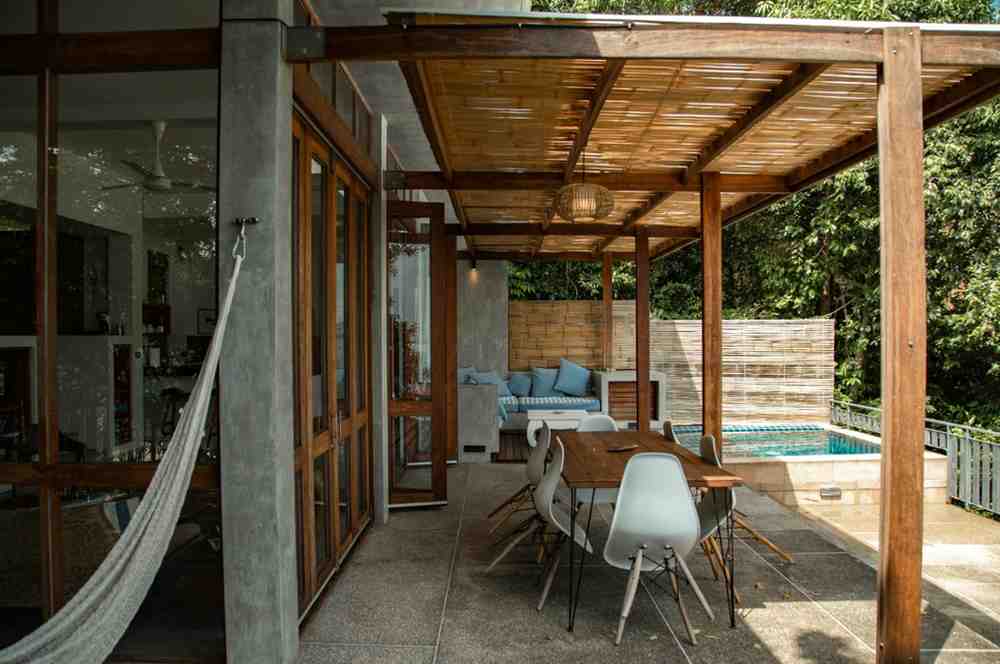
Outdoor hospitality spaces don’t win on shade alone—they win when shade feels like an experience. Pergolas and pavilions are some of the most photographed, most trafficked structures on a property. They guide circulation, create “stay longer” zones, and become part of the brand.
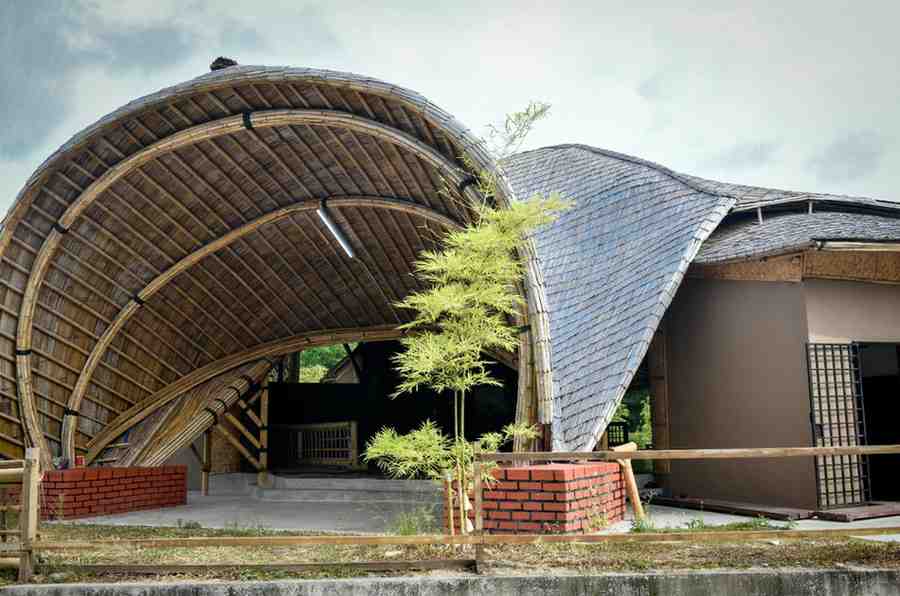
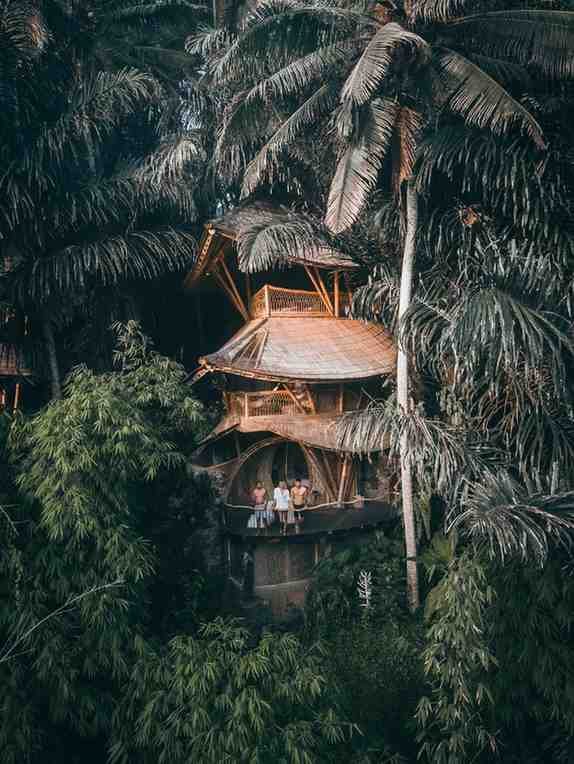
That’s why designers increasingly specify bamboo poles for pergolas, shade structures, and pavilions—especially in resorts, restaurants, and entertainment venues where ambiance is part of what guests are paying for.
Why bamboo works so well for shade architecture
Pergolas and pavilions sit in a sweet spot: they’re functional, but also highly visible. Bamboo helps because it delivers:
- Instant tropical character without extra theming layers
- A softer, more organic look than painted steel or standard wood framing
- A design vocabulary that works across styles (tiki, coastal, island, eco-luxe, biophilic)
- Options that can be zoned for authenticity vs durability depending on exposure
Quick takeaway: Bamboo makes shade structures feel intentional—not like an afterthought.
Fast decision filter: Is bamboo structural, or is it the finished “skin”?
Before you pick natural vs synthetic, clarify the role bamboo is playing:
- Decorative wrap / cladding: bamboo creates the look; the structural system is steel/wood behind it
- Secondary framing: bamboo supports non-critical elements while primary structure carries the loads
- Primary support: bamboo is in the load path (posts/beams)—this requires engineering, code review, and connection design
Quick takeaway: The fastest way to avoid problems is to decide early whether bamboo is aesthetic or structural—then document it clearly.
Best bamboo options by use case
Option A: Natural bamboo for authentic presence
Natural poles are often selected for:
- Resort arrival pergolas
- Tiki-style dining canopies
- Feature pavilions in protected environments
- Visual columns, soffits, and ceiling features where guests will see the texture up close
Why teams choose it: unmatched warmth, texture, and organic variation. Reality check: outdoors, natural bamboo needs correct detailing and a maintenance plan. It’s not “install and forget.”
Option B: Synthetic bamboo for demanding exterior conditions
Synthetic bamboo tends to be a better fit when:
- The structure is fully exposed to weather and repeated wet/dry cycles
- The owner has limited maintenance bandwidth
- Long-term appearance consistency matters (large venues, multi-phase builds)
- Fire-performance requirements are a major factor in the material decision
Why teams choose it: predictable performance, lower upkeep, easier long-term consistency.
Core design considerations that make or break bamboo shade structures
This is where successful commercial installs separate themselves from “looks great for one season.”
Structural role
Be explicit: decorative, secondary framing, or primary support. If it’s primary support, it must be engineered like any structural system.
Span + load profile
Shade structures take real loads. Account for:
- Dead load (roof elements, thatch, panels)
- Wind uplift and lateral loads
- Rain load / snow load (where applicable)
- Hanging loads (fans, heaters, lighting, speakers, signage)
Connection strategy
Most issues happen at joints. Plan connections that:
- Spread load (reduce crushing/splitting)
- Allow consistent installation
- Handle movement outdoors (thermal, moisture, wind)
For field best practices, see our guide on how to connect bamboo poles.
Moisture detailing
Especially with natural bamboo:
- Keep it off direct ground moisture
- Prevent standing water
- Detail drainage and ventilation so the assembly can dry
Maintenance plan
Define it before handover:
- Cleaning intervals
- Touch-up / reseal cycles (for natural bamboo)
- Inspection checkpoints for joints and weather-exposed areas
Quick takeaway: Bamboo shade architecture succeeds when it’s specified like a system—not treated like décor.
Common commercial applications where bamboo shines
Bamboo pergolas and pavilions are especially effective for:
- Pool decks, cabana zones, and outdoor lounges
- Restaurant patios and bar extensions
- Queue shade at attractions and parks
- Event lawns, wedding venues, and gathering areas
- Retail courtyards that need thematic identity
Because these are high-traffic zones, the “best” solution is often natural bamboo where it’s protected + synthetic bamboo where it’s punished by exposure. For more inspiration, see our thatched roof pergolas guide.
Cost and lifecycle: evaluate the structure like an operator does
A low upfront number can be misleading if the structure needs frequent refinishing or premature replacement. A better comparison is lifecycle value:
- Installed cost
- Maintenance labor + material frequency
- Expected service interval before a major refresh
- Operational disruption (closures, scaffolding, blocked areas)
- Revenue impact from guest comfort + visual appeal
Operator mindset: if the structure becomes a reliable “guest magnet” with minimal downtime, it’s often a better investment—even if it costs more up front.
Final takeaway
Using bamboo poles for pergolas and pavilions isn’t just a design trend—it’s a practical way to create immersive outdoor environments that drive dwell time, photos, and repeat visits.
The smart approach is simple:
- Natural bamboo where authenticity is the priority and conditions are manageable
- Synthetic bamboo where exposure and maintenance risk are highest
- Engineer and detail the structure for real commercial loads and long-term durability
Done well, bamboo shade architecture becomes a durable brand asset—not just an attractive backdrop.
Tristan Ishtar
VP of Sales
With over 11 years at amaZulu, Tristan brings deep expertise in tropical building materials and a customer-focused approach. He serves as a trusted consultant for architects and designers, providing expert guidance without high-pressure sales.