

Tristan Ishtar
VP of Sales
From resort entries and restaurant façades to water park shade zones, commercial designers are rethinking material palettes—and bamboo poles is increasingly part of the short list. If your team is weighing steel, pressure-treated lumber, PVC, and composites, it helps to look at bamboo poles the way owners actually evaluate materials:
How fast can we create the look? How hard is it to install? What will it cost to maintain? Will it hold up in our environment?
Below are the most practical reasons commercial projects choose bamboo poles—and how to decide when it’s the right move.
1) Bamboo delivers instant theme and “place” faster than most materials
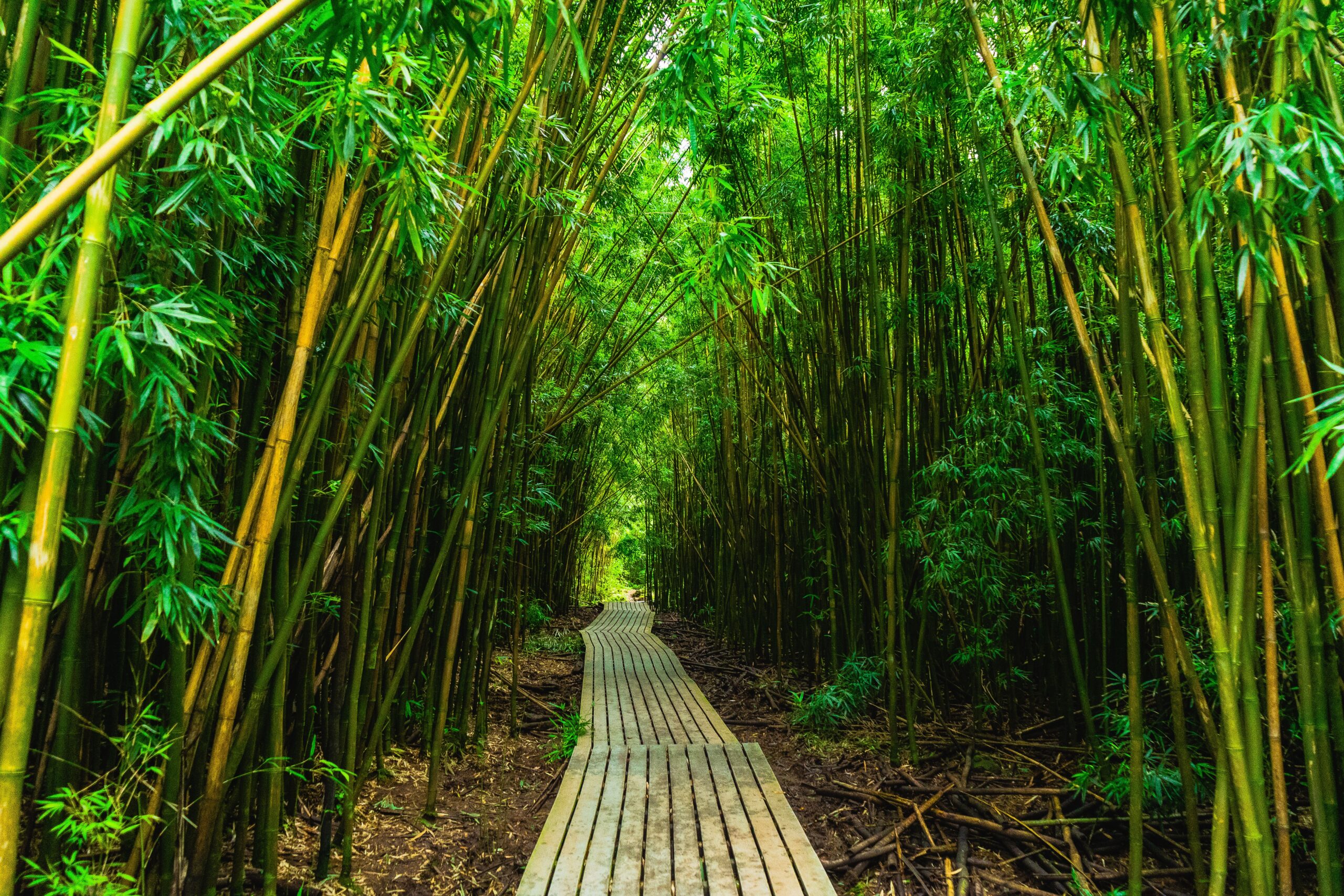
In hospitality and entertainment, atmosphere drives revenue. Bamboo communicates tropical, relaxed, natural, immersive in a way that steel, painted wood, or PVC rarely does without extra theming layers.
Natural bamboo brings:
- Pronounced nodes and organic variation
- Warm tone and texture that feels authentic up close
- A “biophilic” look that plays well with landscaping, stone, thatch, and water features
Why this matters commercially: when bamboo is part of the storytelling, the structure itself becomes décor—often reducing the amount of additional theming needed to sell the experience.
2) You can zone-spec the material instead of overbuilding the whole project
One of the biggest advantages in commercial work is flexibility: you can match bamboo type to the demands of each area.
A practical way to think about it is by zone:
- High-visibility, protected areas: natural bamboo for the richest, most authentic look
- Wet, high-traffic, or consistency-critical areas: synthetic bamboo for durability and repeatable appearance
- Areas with code constraints (often indoors/public-facing): choose materials and finishes that align with code requirements and maintenance reality
Bottom line: instead of forcing one “traditional” material to solve every problem, bamboo lets you design with intent—authentic where it counts, engineered where it’s exposed.
3) Bamboo makes refreshes and renovations easier than a full rebuild
Many commercial projects aren’t ground-up builds. They’re:
- Rebrands
- Retrofits
- Phased updates
- “Make it look new by peak season” refresh cycles
Bamboo poles, wraps, and panels can often be applied over existing substrates, which can reduce demolition and downtime—especially valuable when the property must stay operational.
Where this shows up most: restaurant remodels, resort pool refreshes, bar/pavilion upgrades, attraction queue improvements, and “tropicalize this space” initiatives.
4) Installation can move quickly when the details are proven
Compared with certain metal fabrication workflows, bamboo can be fast to install when the details are planned and the right fastening strategy is used.
Common field best practices include:
- Pre-drilling before fastening (reduces splitting)
- Using connection hardware that distributes load (avoids crushing/splitting)
- Keeping natural bamboo clear of ground moisture and standing water
- Detailing joints so water can drain and air can circulate
What slows projects down: when bamboo is treated like “just another pole,” without connection planning, moisture detailing, and a clear scope (decorative vs structural). Getting bamboo pole selection right from the start prevents costly mid-project corrections.
5) Synthetic bamboo can reduce maintenance burden in harsh environments
Traditional wood in humid or exterior environments often requires repeated sealing, repainting, and repairs. Synthetic bamboo is frequently chosen in commercial settings because it can offer:
- Better moisture tolerance
- More consistent appearance over time
- Lower maintenance expectations (cleaning vs refinishing cycles)
- Options that can align better with certain indoor/public code requirements
Operator reality: for multi-property owners, cutting maintenance labor and replacement cycles can be just as valuable as saving upfront cost.
6) Procurement and repeatability matter at commercial scale
Commercial buyers often need one of two things:
- Consistency across multiple locations (brand standardization)
- Reliable supply for large on-site coverage (no mid-project surprises)
Bulk bamboo poles and wholesale purchasing can support commercial rollouts by enabling standardized looks across a site or chain, predictable budgeting when scope expands, and easier matching in future phases or replacements (especially with synthetic). Fewer surprises, less scrambling, and cleaner consistency for the owner.
Where bamboo tends to beat “traditional” materials
Bamboo often wins when your project needs:
- A high-impact tropical/biophilic look without piling on extra theming layers
- Fast transformation of an existing space with minimal demolition
- Zone-based material selection (natural where protected + synthetic where exposed)
- Lower maintenance in wet, humid, or high-abuse areas
- A bamboo supplier that understands themed commercial installs—not just commodity materials
Final takeaway
The best commercial material choice isn’t just about price per pole. It’s about guest experience, install practicality, maintenance reality, code constraints, and lifecycle value.
If you’re considering bamboo for a commercial project, the smartest approach is:
- Define each area by performance requirements (wet/dry, traffic, code exposure)
- Separate decorative intent from structural intent early
- Choose natural vs synthetic accordingly, and detail connections and moisture like it matters—because it does
Tristan Ishtar
VP of Sales
With over 11 years at amaZulu, Tristan brings deep expertise in tropical building materials and a customer-focused approach. He serves as a trusted consultant for architects and designers, providing expert guidance without high-pressure sales.