
Tristan Ishtar
VP of Sales
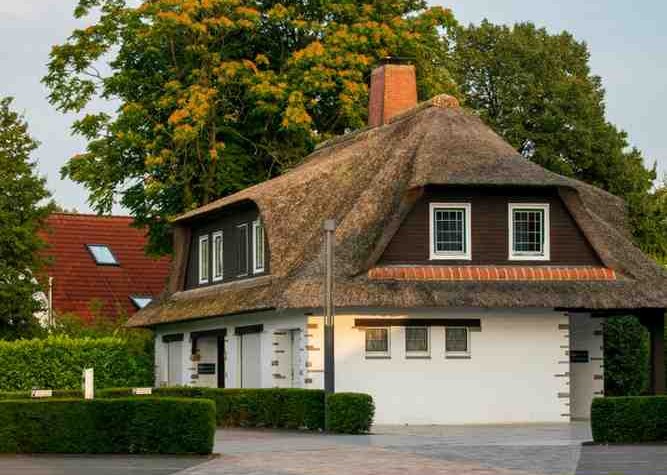
While thatched roofing creates unmatched ambiance for theme parks, resorts, and commercial spaces, navigating the complex web of fire safety regulations, regional code variations, and compliance documentation can feel overwhelming.
The good news? With the right knowledge and materials, achieving full building code compliance for thatched roof installations is not only possible but straightforward.
Fire Safety Standards for Thatched Roofing: An Overview
Fire safety forms the cornerstone of building code compliance for thatched materials in public spaces. Whether you’re dealing with natural thatch or synthetic thatch, commercial projects must meet stringent standards that go far beyond residential requirements, with specific testing protocols and rating systems that ensure public safety.
ASTM E84: Interior Fire Rating Standards
ASTM E84 establishes the testing methodology for interior fire ratings, measuring how materials perform when exposed to flames in enclosed spaces. For thatched roofing materials used in commercial applications, this standard determines surface burning characteristics and flame spread ratings. Materials must achieve specific scores to qualify for use in public buildings, with Class A ratings representing the highest level of fire resistance.
The testing process evaluates both the speed at which flames spread across the material surface and the amount of smoke generated during combustion. The test is conducted in a Steiner tunnel over a 10-minute period, comparing results to standard reference materials.
ASTM 1081: Exterior Fire Rating Standards
ASTM 1081 governs exterior fire performance, focusing on how materials react to external fire exposure such as wildfires or neighboring structure fires. This standard is particularly crucial for thatched roofing since the exterior surface faces the greatest fire risk. The testing simulates real-world conditions by exposing materials to intense heat and flame from below, measuring both ignition resistance and flame penetration.
Class A Fire Rating Requirements
Class A fire ratings represent the gold standard for commercial building materials, indicating the lowest flame spread and smoke development values. For thatched roofing materials to achieve Class A status, they must score 25 or less on the flame spread index and 450 or less on the smoke development index. This rating ensures that materials will not significantly contribute to fire development or create dangerous smoke conditions during an emergency evacuation.
Many insurance companies and building officials require Class A ratings for all roofing materials in public assembly buildings. Materials achieving this rating offer the highest level of fire protection and are often required in areas where fire risk is highest or where people need extra time to evacuate.
Documentation and Submission Requirements
Successful code compliance depends as much on proper documentation and submission procedures as it does on material selection and installation techniques. Building officials require specific paperwork presented in precise formats, with missing or incomplete documentation being the primary cause of approval delays in commercial thatched roofing projects.
Required Documentation Includes:
- ASTM fire rating certificates and material safety data sheets
- Manufacturer warranties and third-party laboratory test results for all roofing components
- Architectural drawings and specifications detailing material types, installation methods, and attachment systems
- Professional engineer stamps and certifications for structural calculations and wind load analyses
- Timeline expectations for review and approval processes typically range from 2-6 weeks
Common Submission Errors:
- Outdated test certificates and incomplete structural calculations
- Missing material specifications and inadequate fire separation details at building interfaces
- Insufficient documentation of attachment systems and integration with fire suppression systems
Regional Building Code Variations
Building codes vary significantly by region and jurisdiction, requiring tailored compliance strategies that account for local environmental conditions, fire risks, and regulatory preferences. What works in Arizona may not meet requirements in Florida, making regional expertise essential for successful project approval.
Key Regional Considerations:
- International Building Code requirements serve as the baseline for most jurisdictions but allow local modifications based on regional conditions
- Miami-Dade hurricane and wind rating specifications demand materials withstand 110+ mph winds and impact from flying debris
- California fire safety regulations include additional wildfire resistance standards and stricter smoke development limits in high-risk fire zones
- Coastal region salt air and moisture considerations require enhanced corrosion resistance and moisture management systems
Working with local building officials and inspectors often involves pre-submittal meetings and ongoing consultation throughout the approval process.
Material-Specific Compliance Solutions
Different thatched roof materials require distinct approaches to achieve code compliance, with synthetic and natural options each offering unique advantages and challenges.
Synthetic Thatch Materials for Code Compliance
Synthetic thatch materials often provide the most straightforward path to building code compliance, with many products engineered specifically to meet commercial fire safety standards. These materials incorporate fire-retardant compounds during manufacturing, eliminating the need for field-applied treatments that can compromise durability.
High-density polyethylene and polyurethane-based synthetic thatch products typically achieve Class A fire ratings out of the box, while offering superior weather resistance and longevity compared to natural alternatives.
Natural Thatch Code Compliance Options
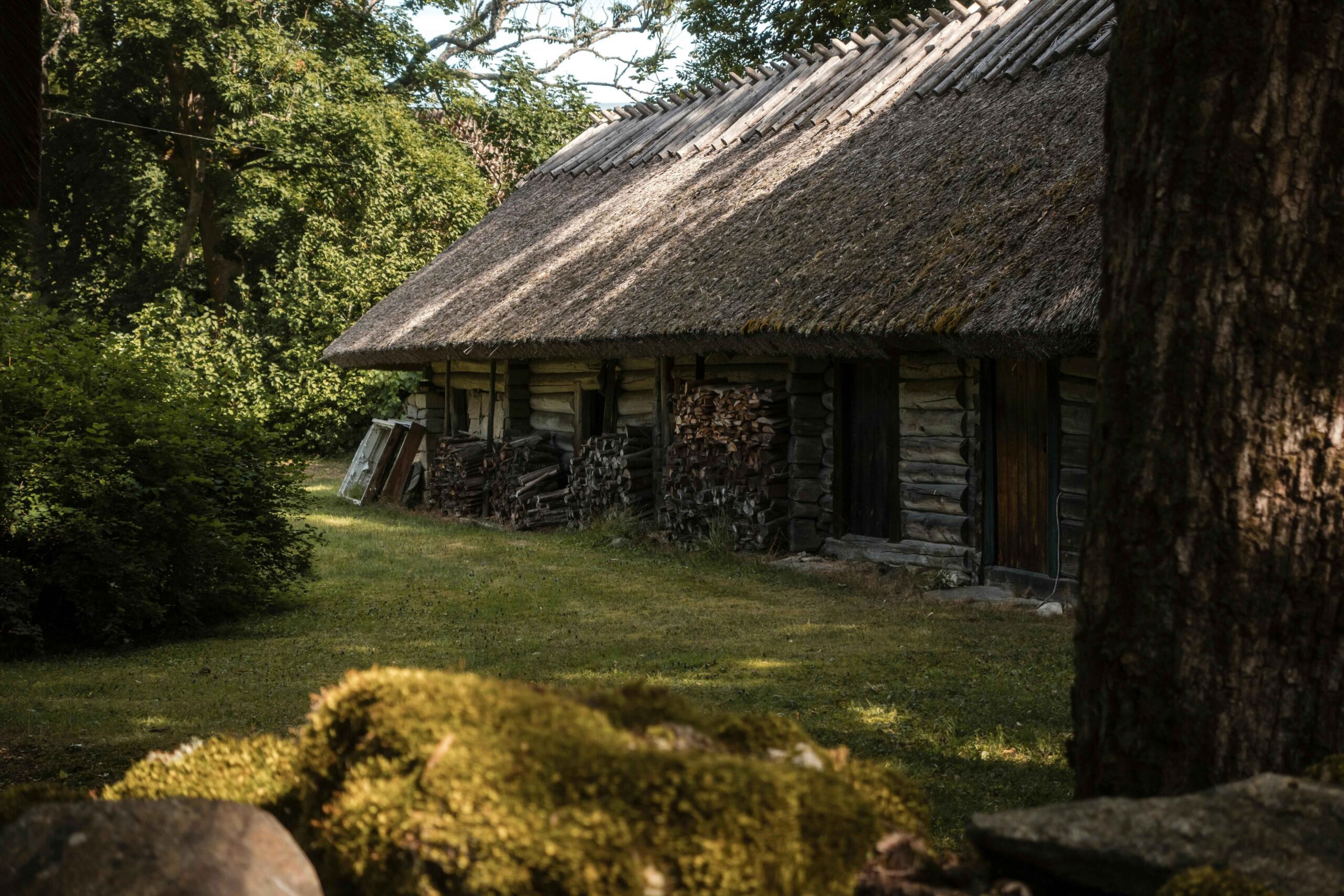
Natural thatch materials can achieve code compliance through specialized treatment processes that infuse fire-retardant chemicals deep into the organic fibers. These treatments must be applied by certified professionals using EPA-approved compounds that maintain effectiveness over time. The treatment process requires careful moisture control and curing time, making project scheduling more complex than synthetic alternatives.
While natural materials demand more maintenance to preserve fire resistance, they offer unmatched authenticity for projects where cultural accuracy is paramount.
Inspection Procedures and Ongoing Compliance
Depending on the jurisdiction, maintaining compliance may require ongoing attention to inspection schedules, documentation requirements, and performance monitoring throughout the building’s operational life.
Key Inspection Phases:
- Pre-installation inspections and material verification ensure all products meet specified ratings
- Installation phase inspections capture critical attachment details and system integration points
- Final approval processes and certificate of occupancy requirements often involve comprehensive testing
- Ongoing maintenance inspections must be established to monitor material condition and preserve fire resistance over time
- Record-keeping requirements include maintaining all test certificates, treatment records, and inspection reports
Re-certification procedures and timelines may be required periodically, particularly for natural materials that can degrade or lose fire resistance over time.
Common Compliance Challenges and Solutions
Even experienced professionals encounter compliance challenges when working with thatched roofing systems, but understanding common issues and proven solutions helps navigate the approval process more efficiently.
Retrofit and Renovation Projects
Existing buildings present unique challenges when adding thatched roofing, particularly when current fire suppression systems weren’t designed for combustible roof materials. Older buildings may lack adequate structural support for thatched systems, requiring comprehensive reinforcement that can impact project budgets significantly.
Fire separation requirements between new thatched areas and existing construction often demand creative design solutions that maintain aesthetic goals while meeting safety standards. Historical buildings may have grandfathered exemptions from current codes, but adding new roof materials typically triggers compliance with modern standards.
Multi-Jurisdiction Projects
Large commercial developments that span multiple building code jurisdictions create administrative complexity as different authorities may interpret standards differently. Theme parks and resort complexes often include structures governed by different agencies, requiring coordination between municipal building departments, fire marshals, and state regulatory bodies.
Historic Preservation Requirements
Projects involving historic structures must balance authentic materials and techniques with modern safety standards, often creating seemingly impossible requirements. Historic preservation officers may mandate natural materials and traditional construction methods while building officials require modern fire ratings and installation techniques.
These conflicts require creative solutions such as hidden fire suppression systems, discrete synthetic materials that mimic historic appearance, or variance applications that demonstrate equivalent safety through alternative means.
Successful Commercial Applications
Proven applications demonstrate that thatched roofing can successfully meet all building code requirements while delivering the authentic aesthetic that drives commercial success.
Examples Include:
- Theme park attractions and guest facilities showcasing Class A fire ratings with intense daily use
- Resort and hospitality structures demonstrating successful integration of both natural and synthetic materials
- Restaurant and entertainment venues proving occupancy code compliance for high-density public assembly
- Zoo and aquarium exhibits illustrating specialized treatments addressing animal safety requirements
- Municipal and institutional buildings showing public sector compliance with the most stringent safety standards
Partner with Code Compliance Experts for Your Next Project
Building code compliance doesn’t have to be a roadblock to your creative vision. With 22+ years of experience navigating complex regulatory requirements across countless commercial projects, amaZulu has developed streamlined processes that turn compliance challenges into competitive advantages. Their global sourcing network and direct relationships with manufacturing villages ensure access to both cutting-edge synthetic materials and authentically-treated natural thatch that meets the strictest fire safety standards.
From initial code consultation through final inspection approval, their team understands the documentation, testing, and professional coordination required for successful project completion. Whether you’re designing a major theme park attraction or an intimate resort dining pavilion, amaZulu’s comprehensive approach eliminates the guesswork from code compliance planning.
Tristan Ishtar
VP of Sales
With over 11 years at amaZulu, Tristan brings deep expertise in tropical building materials and a customer-focused approach. He serves as a trusted consultant for architects and designers, providing expert guidance without high-pressure sales.