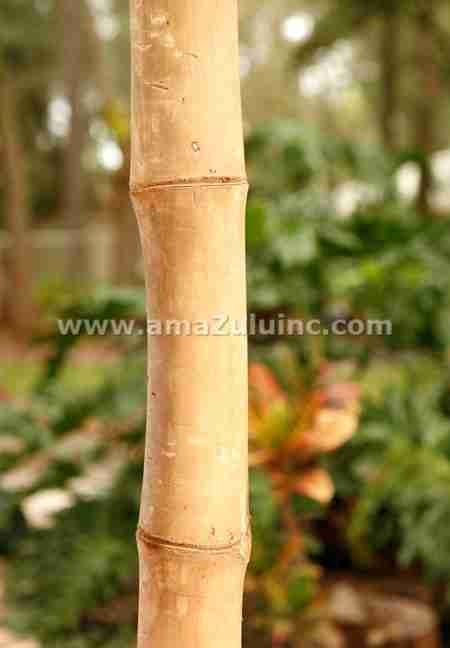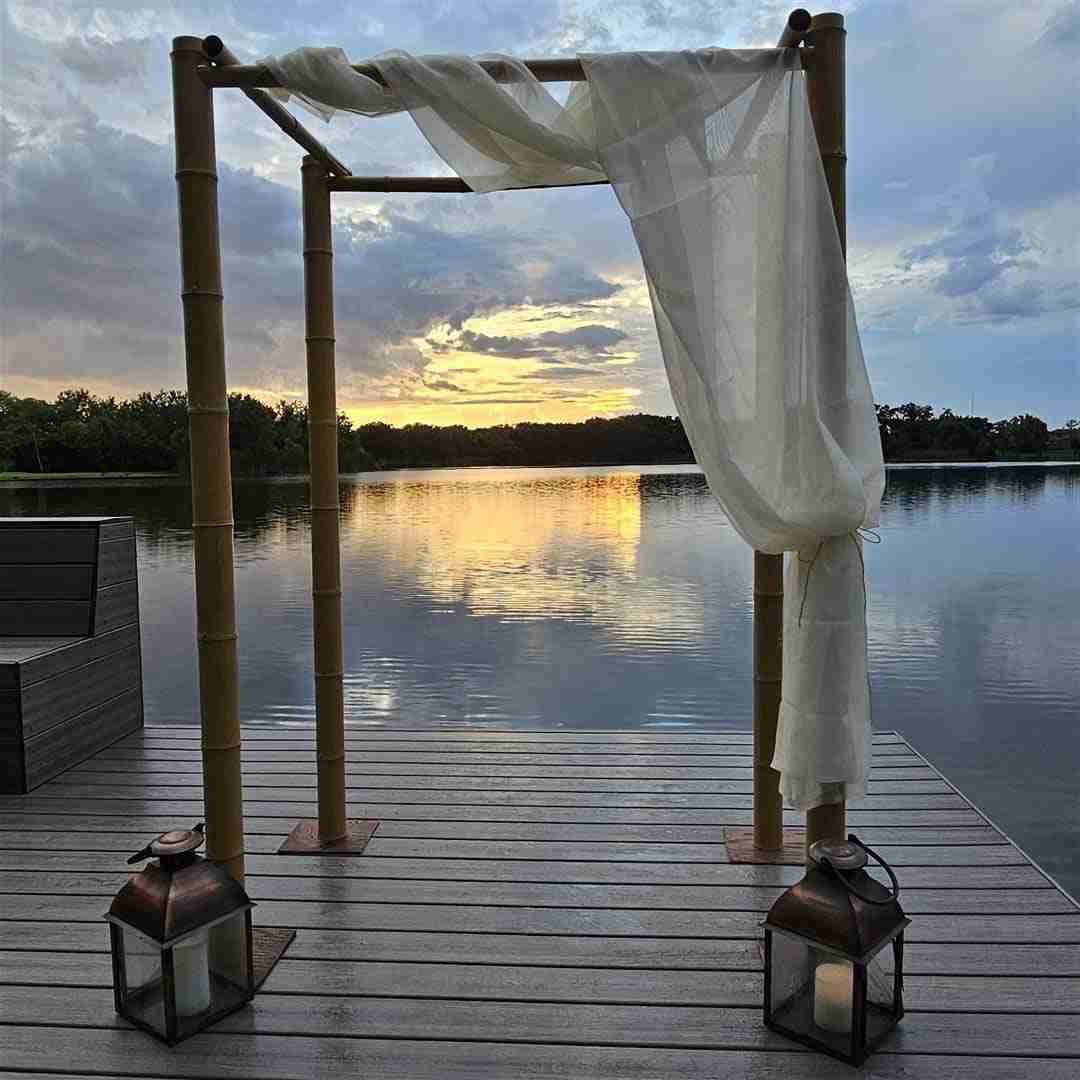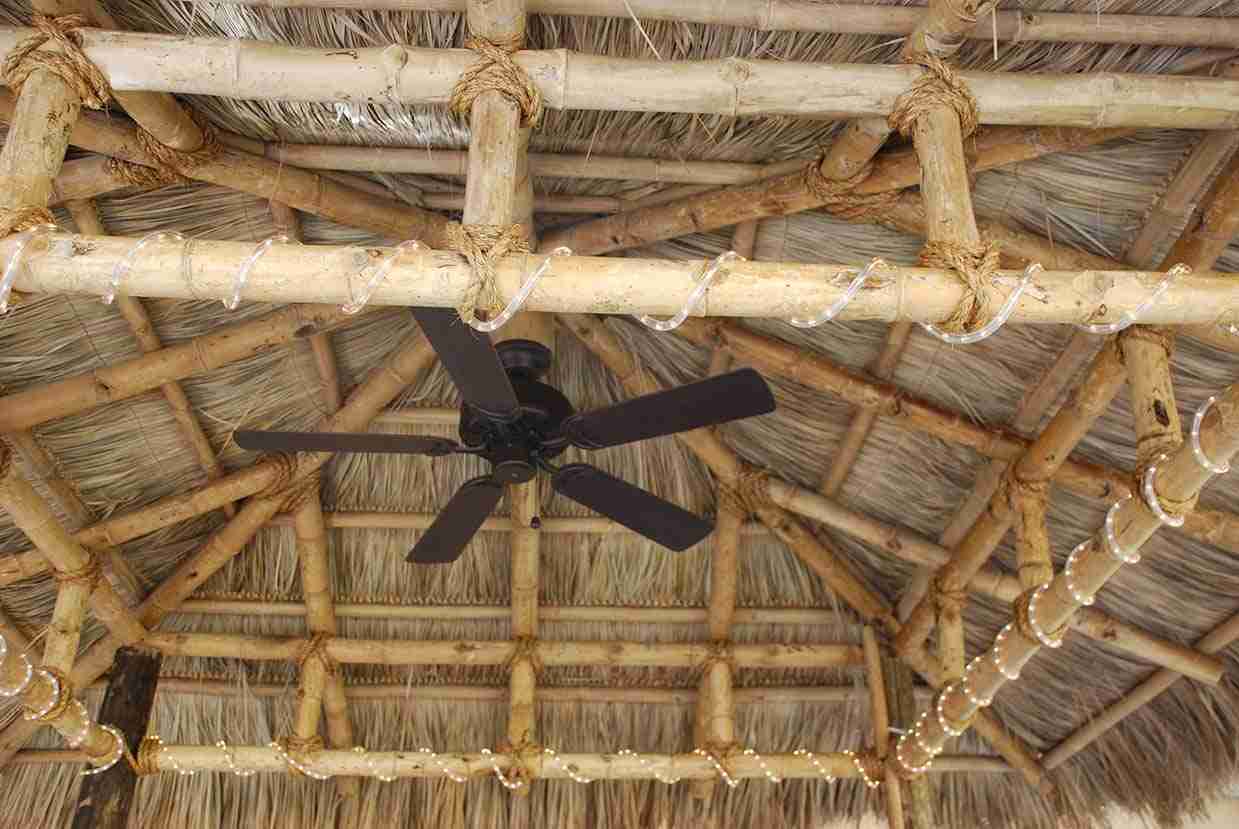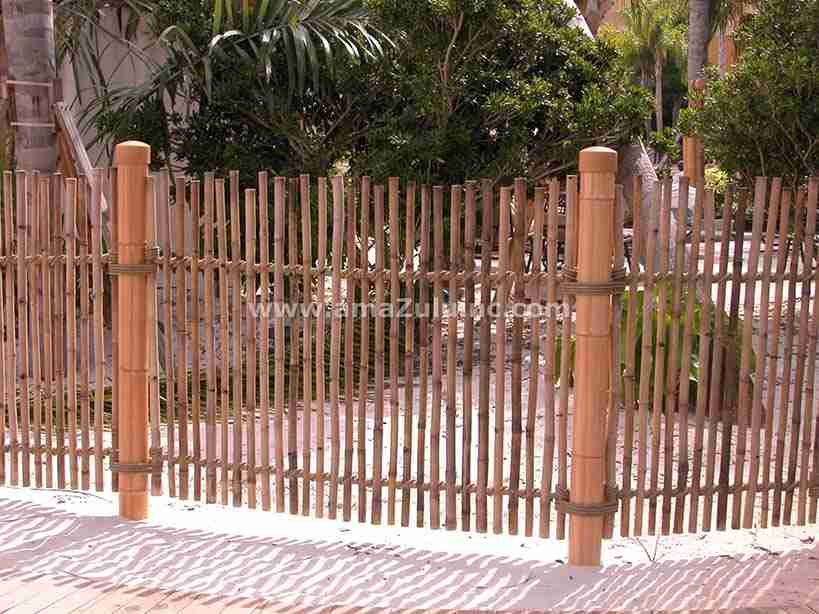
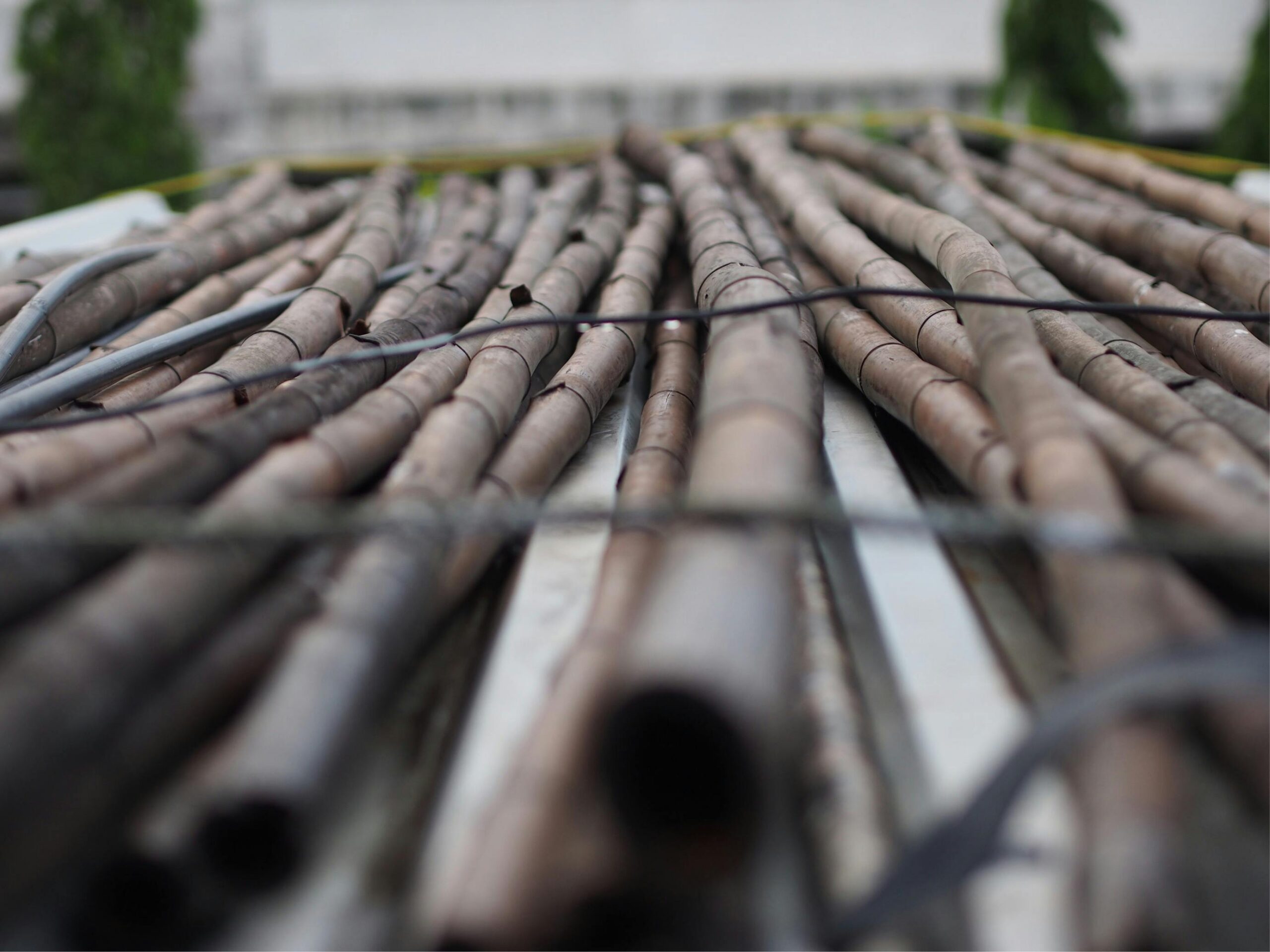
For most outdoor commercial spaces, synthetic bamboo is the better choice — with one important exception covered below. Natural bamboo gives you an authentic tropical look at a lower upfront cost, but outdoors it absorbs moisture, rots, cracks in the sun, attracts insects, and needs regular sealing and replacement. Synthetic bamboo is engineered specifically for outdoor performance, resisting UV, moisture, humidity, fading, and general weather wear. Because it doesn’t rot or decompose, it holds its appearance for years with very little upkeep, which makes it the smarter long-term investment for exposed, high-traffic commercial settings.
The exception is anything load-bearing. Synthetic bamboo is built for decorative and outdoor durability, not structural support, so it should never carry weight. If a pergola post or tiki hut frame actually holds up the structure, that has to be a strong natural species — solid, Tre-Gai, or Guadua — engineered and installed to meet code. Where synthetic bamboo shines is in the decorative and functional roles all around those structures: privacy screens, feature walls, decorative walkway elements, and concealing utility pipes and conduit behind a natural tropical look, which is exactly how water parks use it to hide plumbing. A common approach is to combine the two — natural structural bamboo doing the heavy lifting, synthetic handling the exposed decorative surfaces that would otherwise weather fastest.
Fire safety often tips the decision toward synthetic as well. Restaurants, resorts, hotels, and theme parks usually have to meet fire codes, and many synthetic bamboo products are made with fire-retardant material built in — amaZulu’s synthetic interlocking bamboo, for example, is fire retardant, UV resistant, and carries a 10-year warranty. Natural bamboo doesn’t offer that protection on its own. That said, natural bamboo still has a real place: it’s an excellent, cost-effective choice for indoor spaces or covered outdoor areas shielded from constant rain and sun, and it performs far better in dry climates than in humid ones. For fully exposed outdoor decorative work, though, synthetic generally delivers better long-term value. If you’d like help deciding which belongs where in your project, amaZulu’s team can match the right material to each part of the build.