
Tristan Ishtar
VP of Sales
Outdoor bamboo features fail for predictable reasons. In most cases, the problem is not bamboo itself but moisture management. Water trapped inside open ends, ground contact without separation, and missed maintenance windows lead to softening, cracking, and early replacement.
This article covers preventing bamboo pole rot for commercial and residential outdoor installs. You will learn how species choice, detailing, treatment, and inspection routines work together so your bamboo lasts longer and looks better.
Why Bamboo Rot Starts Faster Than Teams Expect
Bamboo is a natural material with vascular structure, so moisture behavior matters from day one. If rainwater sits inside open culms or at hidden joints, decay accelerates. In humid climates, that process can move quickly.
amaZulu’s background interviews repeatedly stress one point: untreated natural bamboo poles in wet outdoor conditions can deteriorate early, especially when used in ways that trap water or place poles directly into persistently damp zones.
Design Details That Reduce Moisture Risk
Good detailing prevents most rot issues before they begin.
- Keep bottoms off wet surfaces: Use base shoes, standoffs, or non-absorptive separators.
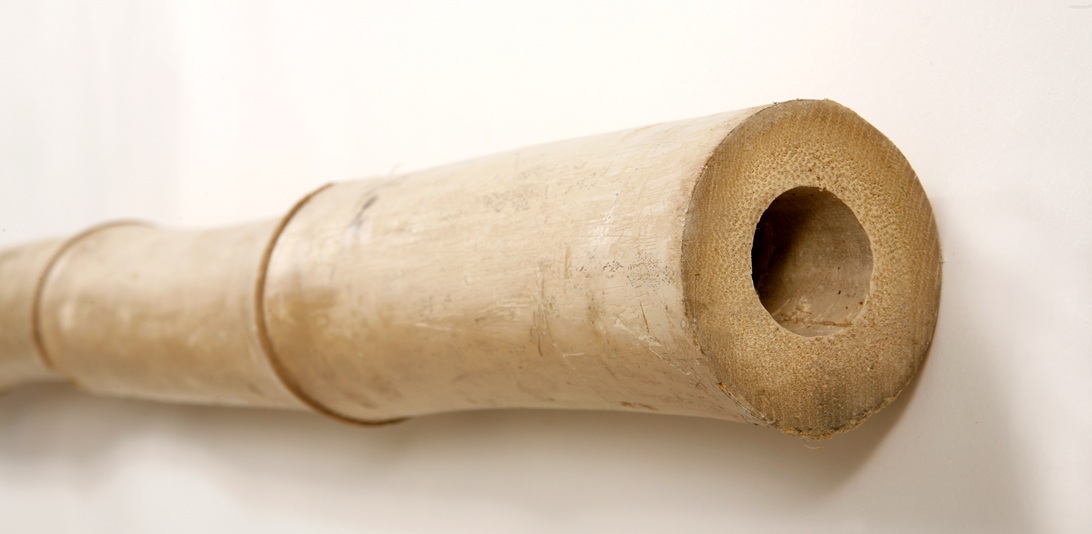
- Cap or seal top openings: Open tops collect rain and debris.
- Slope horizontal members: Even slight slope helps drainage.
- Vent enclosed assemblies: Airflow reduces trapped humidity.
- Separate from irrigation spray paths: Constant overspray shortens service life.
When drawings include these details early, installers are less likely to improvise in the field. This Old House notes that controlling moisture at the source is the single most effective way to prevent rot in any natural material used outdoors.
Installation Practices That Matter Most
A short scenario: a decorative bamboo fence is installed flush to grade, with tops cut open at internodes and no sealing pass. It looks great at turnover, then darkens and softens after repeated rain cycles. The fix requires partial replacement and labor that could have been avoided.
Now compare that to a corrected install: poles are elevated slightly off grade, top cuts are made at nodes where appropriate, exposed cuts are sealed, and clear drainage is preserved around the base. The second system usually keeps appearance and integrity much longer.
Quick takeaway: rot prevention is mainly a details-and-discipline job. For more on bamboo pole installation mistakes to avoid, amaZulu’s guide covers the most common field errors in detail.
Treatment and Coating Strategy for Natural Poles
No coating makes natural bamboo maintenance-free, but the right program extends service life.
Use a Moisture-Resistant Sealer Schedule
Plan regular recoating based on climate intensity and orientation. South- and west-facing surfaces may weather faster.
Re-Seal Every Field Cut and Drilled Opening
Every penetration is a moisture pathway. Treat penetrations during installation, not after punch-list.
Clean Before Recoating
Dirt, mildew film, and failed finish layers reduce adhesion. Proper prep affects coating performance as much as product choice. This Old House recommends cleaning and fully drying surfaces before applying any sealer or protective finish to outdoor natural materials.
Avoid False Confidence in One-Time Treatment
A single initial coat is not a lifetime strategy. Outdoor bamboo needs periodic care.
When Synthetic Bamboo Is the Better Outdoor Answer
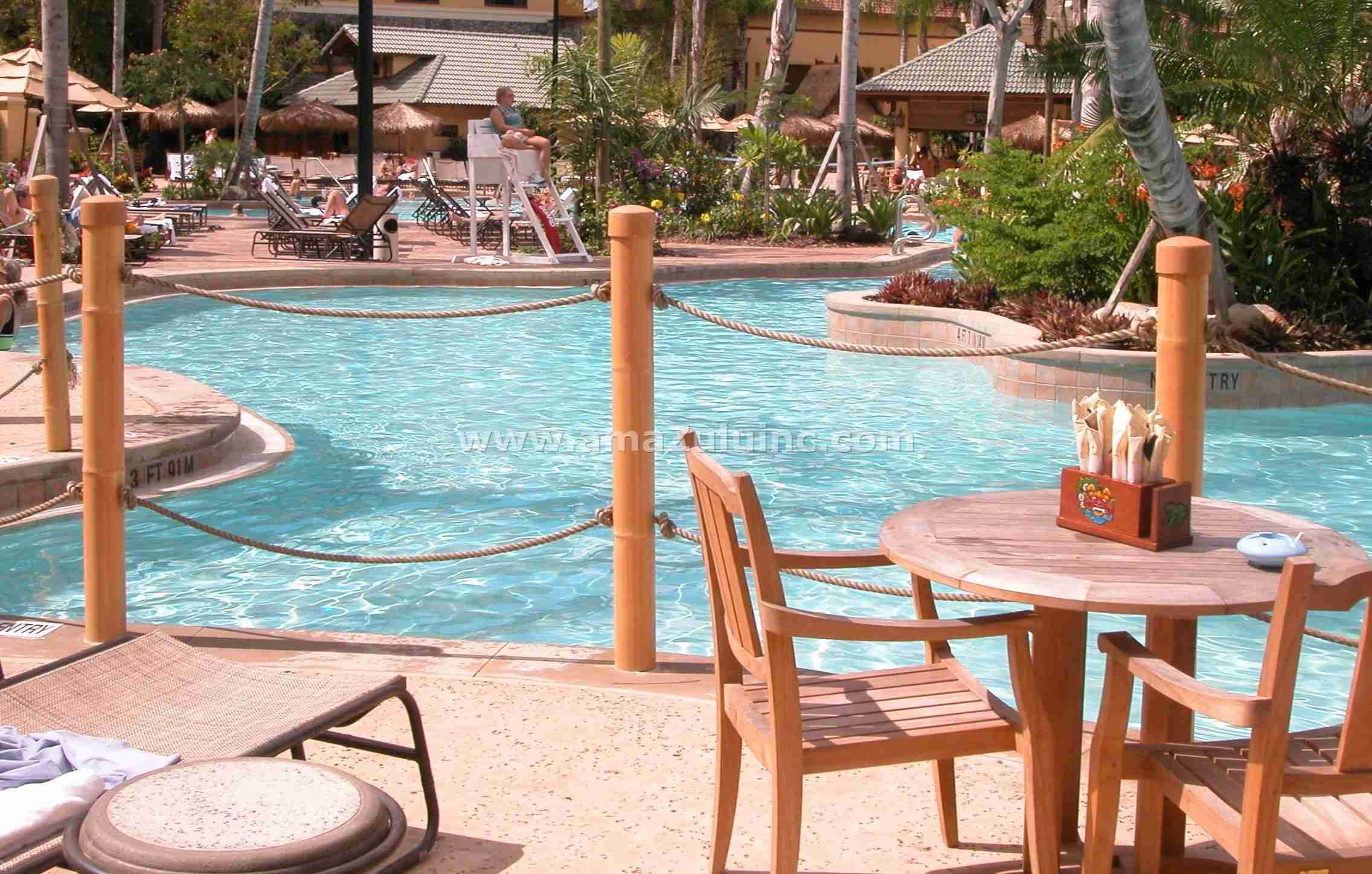
In high-moisture installations, many teams switch to synthetic bamboo poles for durability and visual consistency. amaZulu material notes describe synthetic options used to sleeve metal posts, conceal conduit, and maintain a bamboo look where natural poles would decay quickly.
That does not mean synthetic is best for every project. It means the right choice depends on exposure, load role, and maintenance resources. If your operations team cannot support ongoing sealing and inspections, synthetic may reduce long-term risk.
Field Inspection Checklist for Facility Teams
Run this checklist quarterly and after severe weather:
- Look for standing water inside open ends.
- Check soft spots near bases and hidden attachment points.
- Inspect cracks around fasteners and drilled holes.
- Review coating wear on sun-exposed faces.
- Verify nearby landscaping changes have not increased moisture.
- Document replacements by zone to identify repeat failure patterns.
Simple records help you move from reactive replacement to planned maintenance. Teams managing bamboo for outdoor structures at scale benefit most from a consistent inspection schedule tied to seasonal walkthroughs.
Mini FAQ
Can natural bamboo be used outdoors at all? Yes, but detailing, treatment, and maintenance discipline are essential. Performance varies by species and climate.
Is ground burial safe for natural bamboo poles? Direct, persistent ground moisture usually increases decay risk. Separation details are safer in most designs.
Does thicker diameter stop rot? Thicker poles can affect structural behavior, but rot still depends heavily on moisture exposure and detailing.
Build It Right, Then Keep It Right
Preventing bamboo pole rot is not one product decision. It is a system: proper species selection, water-shedding details, disciplined installation, and scheduled maintenance. If your project demands long-term outdoor performance with less upkeep, compare natural and synthetic options early so the final design matches real site conditions.
Tristan Ishtar
VP of Sales
With over 11 years at amaZulu, Tristan brings deep expertise in tropical building materials and a customer-focused approach. He serves as a trusted consultant for architects and designers, providing expert guidance without high-pressure sales.