
Tristan Ishtar
VP of Sales
When Disney’s Polynesian Village Resort underwent its monorail station renovation, the choice of roofing material was a calculated business decision that would impact maintenance budgets for decades. The hospitality industry faces this same critical choice every day: invest in the authentic charm of natural Mexican palm thatch or opt for synthetic alternatives that promise longevity.
The stakes are particularly high for hotels, resorts, and theme parks where tropical theming directly influences guest experience and operational efficiency. While the romantic appeal of natural thatch is undeniable, the reality of commercial hospitality demands a deeper analysis of total cost of ownership, maintenance requirements, and long-term performance.
Natural vs. Synthetic Mexican Palm Thatch: Which Is Right for Your Project?
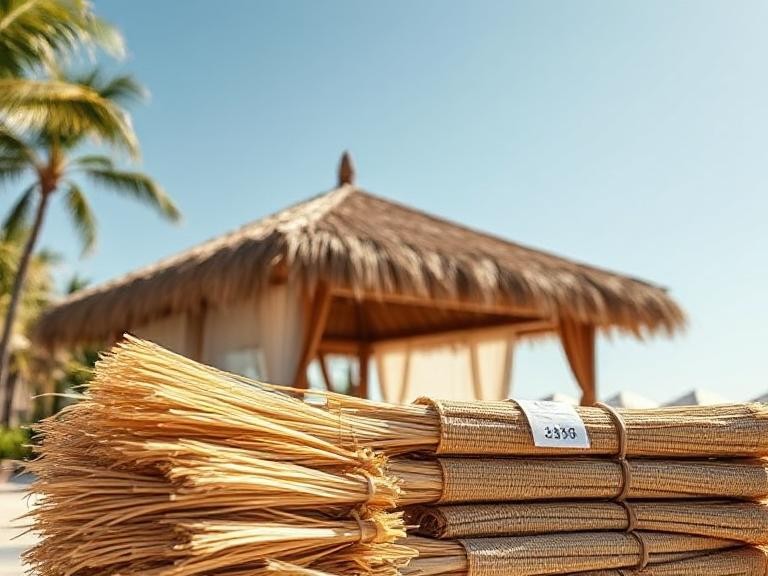
The choice between natural Mexican palm thatch and synthetic Mexican palm thatch depends on your project’s specific requirements, location, and usage patterns. Each material offers distinct advantages that make it ideal for different applications.
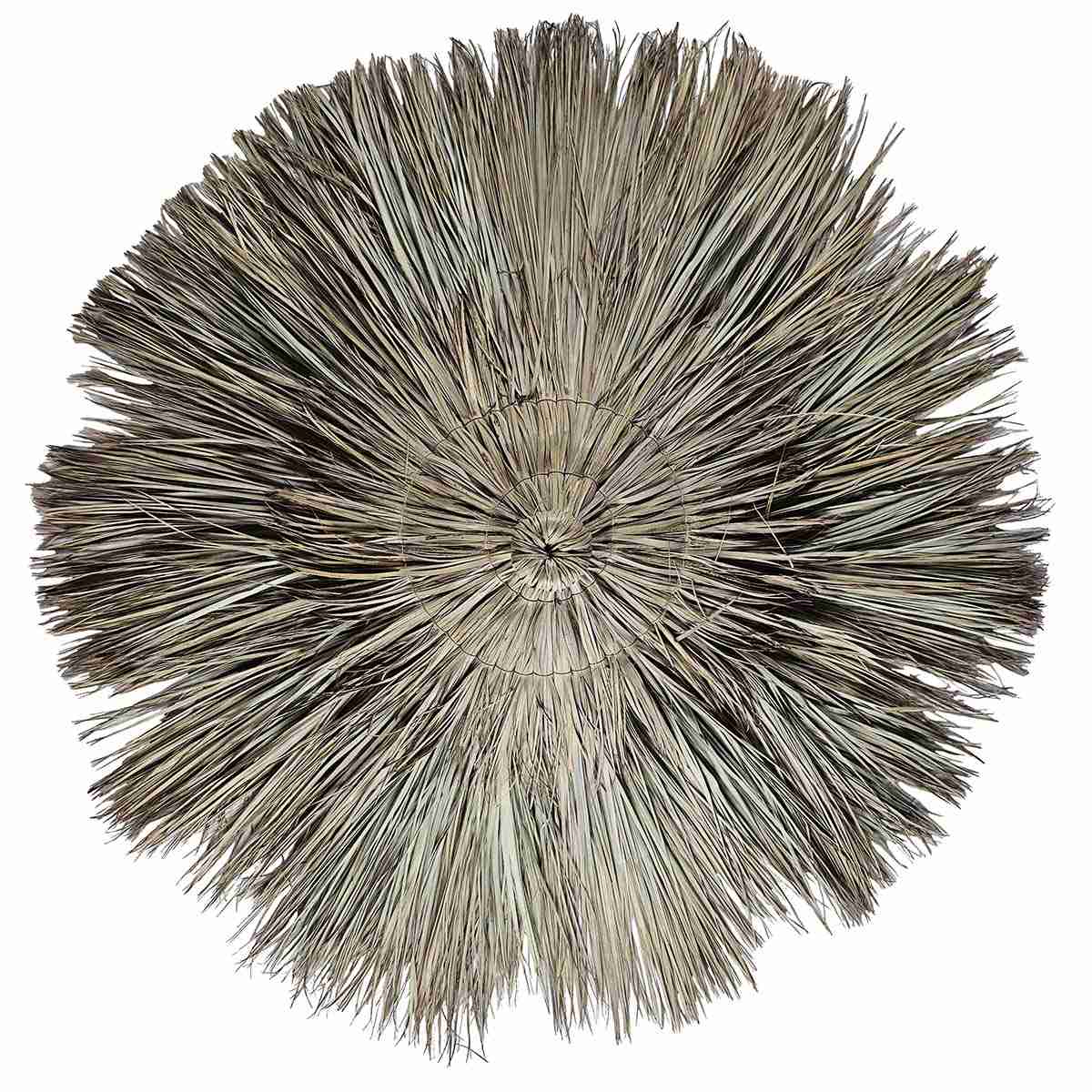
Natural Mexican Palm Thatch: Best for Authentic, Short-Term, and Indoor Applications
- Authentic Aesthetic – Provides unmatched organic color variations and natural texture that many designers and guests prefer for genuine tropical ambiance
- Cost-Effective Entry Point – Lower initial material costs make it ideal for temporary installations, seasonal décor, or budget-conscious projects
- Climate Versatility – Performs exceptionally well indoors (lasting indefinitely) and in dry climates (up to 2-5 years with proper installation)
- Lightweight and Flexible – Easy DIY installation using staples or zip ties; can be cut to size without specialized equipment
- Renewable Resource – Made from sustainable palm leaves, offering an eco-friendly option for environmentally conscious projects
- Lifespan Considerations – Typically lasts 6 months to 1 year in humid, high-rainfall environments; requires periodic replacement in wet climates and shaded areas
Synthetic Mexican Palm Thatch: Best for Long-Term, High-Traffic, and Low-Maintenance Applications
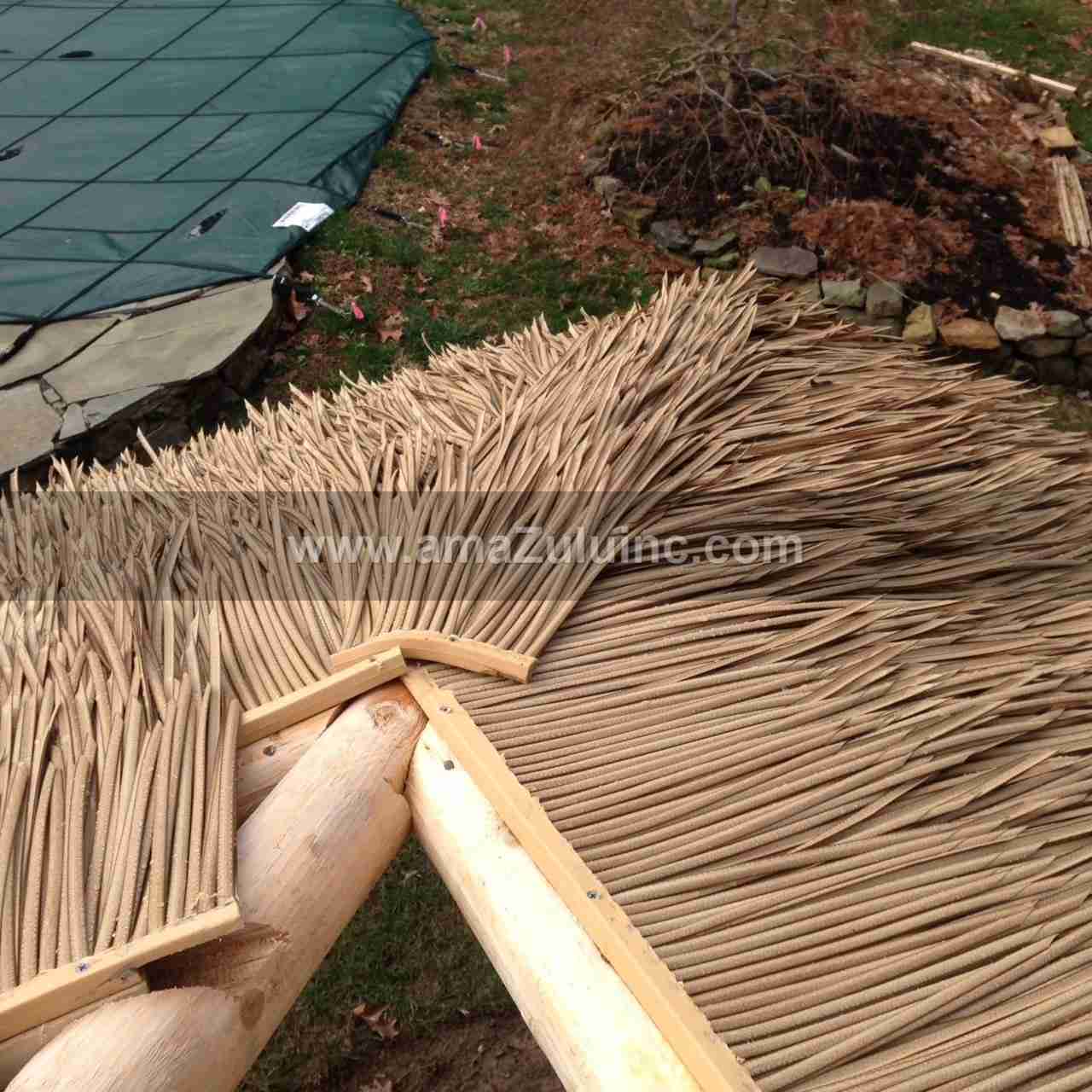
- Extended Durability – Backed by 5-year limited warranties with performance that extends well beyond warranty periods
- Zero Maintenance – No upkeep required throughout its lifespan; will not mold, rot, shed, or attract pests
- Consistent Performance – Maintains appearance and structural integrity regardless of climate conditions
- No Staining Issues – Won’t discolor concrete, tiles, or surrounding surfaces after rain events
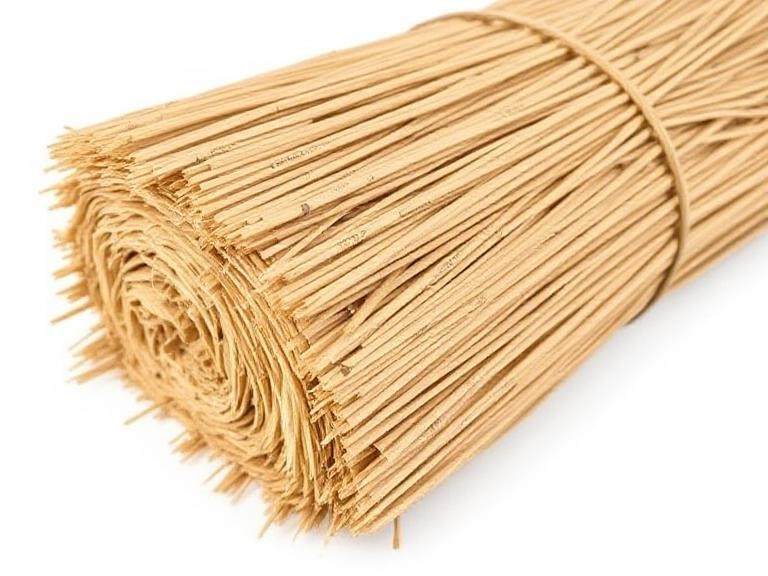
- Engineered Reliability – Built-in UV resistance and color stability; each strand varies from brown to honey tones for authentic appearance
- Operational Efficiency – Eliminates replacement cycles and guest area closures, ideal for high-traffic commercial applications and year-round installations
Selecting the Right Material
Natural thatch excels in indoor applications, temporary installations, dry climates, and projects where authentic organic aesthetics are paramount. Synthetic alternatives are optimal for permanent outdoor structures, humid or rainy environments, high-traffic commercial areas, and situations where maintenance access is limited or costly.
Total Cost of Ownership: Beyond the Price Tag
To understand the true cost difference between natural and synthetic Mexican palm thatch, you must look beyond initial material prices to evaluate the complete financial picture over your project’s expected lifespan.
Initial Investment Comparison
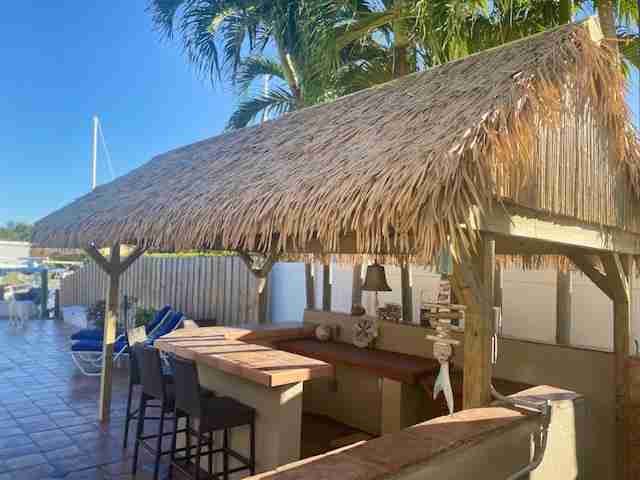
Natural Mexican palm thatch offers a lower upfront cost, making it attractive for projects with limited initial budgets or short-term installations. A typical tiki bar or poolside cabana might require a $500-$1,500 investment in natural materials, depending on size and coverage area.
Synthetic alternatives typically cost 2-3 times more initially, with that same project requiring $1,500-$4,000 in materials. However, this price differential tells only part of the story when planning for commercial hospitality applications.
Operating Cost Realities
For outdoor installations in humid climates, natural thatch replacement cycles create recurring expenses that can accumulate. Over a five-year period, these replacement cycles can total $3,000-$8,000 for a single structure.
Additional operational costs include periodic cleaning, stain removal from surrounding surfaces, and potential guest service issues related to shedding or aesthetic deterioration. Properties in high-rainfall areas may also face increased maintenance frequency.
Synthetic thatch eliminates these recurring costs entirely. After the initial installation, the material requires no maintenance, replacement, or ongoing labor investment throughout its warranty period and beyond.
Break-Even Analysis
For most commercial outdoor applications in humid climates, synthetic Mexican palm thatch reaches cost parity with natural alternatives within 18-24 months. Beyond this point, synthetic materials deliver measurable cost savings while providing consistent guest experience and eliminating operational disruptions.
Properties in dry climates or those using thatch exclusively indoors may find natural materials remain cost-competitive throughout their extended lifespan, particularly when authentic organic aesthetics are a priority.
Get Expert Guidance for Your Tropical Theming Project
Choosing between natural and synthetic Mexican palm thatch is just the beginning. Successful tropical theming requires careful consideration of structural requirements, installation methods, fire safety compliance, and long-term maintenance planning tailored to your property’s unique environment.
amaZulu has guided hospitality properties, theme parks, and commercial developments through these critical decisions for over two decades. Our team combines global sourcing expertise with proven installation partnerships to deliver authentic tropical environments that perform reliably year after year—whether you choose natural, synthetic, or a strategic combination of both materials.
We’ll help you evaluate your project requirements, assess climate factors, and select the optimal material for each application on your property. Contact amaZulu today at (877) 243-5309 to discuss your project and receive samples of both natural and synthetic options for informed decision-making based on your specific needs and budget.
Tristan Ishtar
VP of Sales
With over 11 years at amaZulu, Tristan brings deep expertise in tropical building materials and a customer-focused approach. He serves as a trusted consultant for architects and designers, providing expert guidance without high-pressure sales.