

Tristan Ishtar
VP of Sales
Fresh bamboo poles arrive with a natural waxy coating that’s harder than a beetle’s shell, and they’ll reject every finish you throw at them—until you know the secret. This invisible armor protects the bamboo poles in nature, but it becomes your biggest obstacle when trying to achieve that perfect tropical aesthetic for your project.
The good news is that finishing bamboo isn’t complicated once you understand the rules. Whether you’re aiming for a rich mahogany stain, a weathered driftwood look, or even a bold painted finish, success comes down to three factors: timing your project right, preparing the surface properly, and choosing compatible products.
Bamboo’s Natural Waxy Coating: An Overview
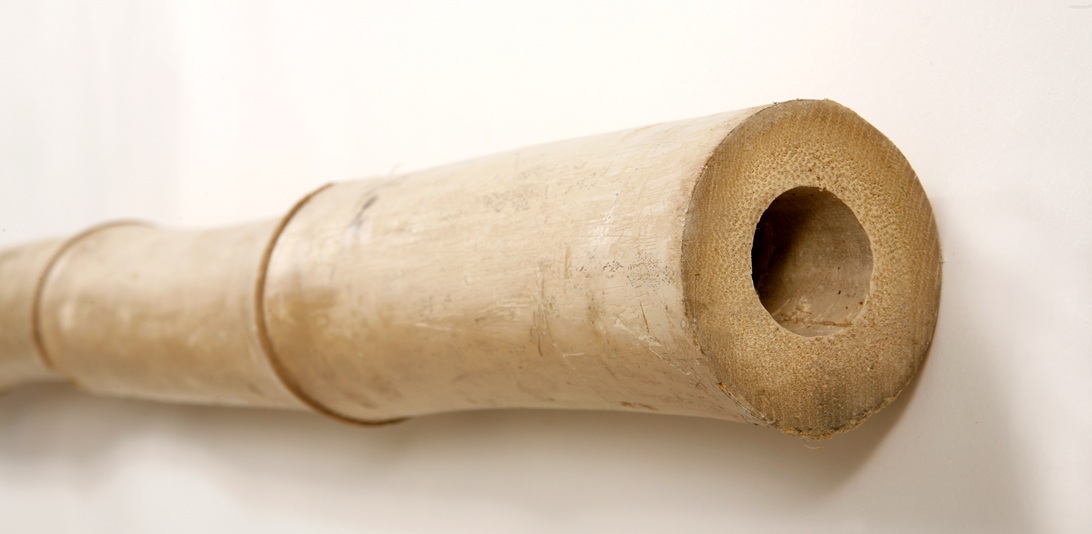
Every bamboo pole comes equipped with nature’s own waterproofing system—a hard, waxy coating that gives fresh bamboo its characteristic shine. This coating feels smooth and slightly slippery to the touch, almost like the bamboo has been polished with furniture wax. It’s this very coating that makes bamboo naturally weather-resistant and helps it survive monsoon seasons in its native environment.
Unfortunately, what protects bamboo in the wild becomes a barrier to any finish you want to apply. Stain, paint, and even sealers simply bead up and roll off this waxy surface, similar to how water beads on a freshly waxed car. No amount of extra coats or different brands will help—the finish simply can’t penetrate or adhere to the wax.
The behavior of this coating depends entirely on where you place your bamboo. Indoor bamboo keeps its waxy coating indefinitely, maintaining that shiny, beetle-shell appearance for years. The coating won’t wear off from indoor conditions alone, which means any indoor bamboo project requires mechanical removal of the wax before finishing.
Outdoor bamboo tells a different story. Weather naturally breaks down the waxy coating over approximately five to six months. Sun, rain, and temperature changes slowly deteriorate the wax, eventually leaving the bamboo surface porous and ready to accept finishes. This natural weathering process works reliably, but it requires patience that many project timelines can’t accommodate.
Surface Preparation Techniques for Staining and Finishing Bamboo Poles
The path to perfectly finished bamboo depends on when you plan to stain: you can either wait for the waxy coating to naturally weather away, or remove it immediately with sanding. Your project timeline will determine which approach makes sense for your situation.
The Natural Weathering Method
Bamboo placed outside will naturally lose its waxy coating over five to six months as weather gradually breaks down this protective layer. This passive approach requires no tools or effort and produces excellent results—eventually. The coating simply deteriorates over time through normal outdoor exposure to sun and temperature changes.
By the end of this period, the bamboo develops a slightly rougher texture and loses its initial shine, signaling it’s ready for finishing. The downside is you’re looking at half a year before you can complete your project, and the bamboo may develop some weathered gray areas that need addressing before staining.
This natural process happens whether you want it to or not—any bamboo stored outdoors will eventually lose its waxy coating. However, most projects can’t wait this long, making sanding the practical choice for most applications.
Manual Sanding Techniques
When waiting isn’t an option, sanding removes the waxy coating immediately. Lightly sand the bamboo to break through the hard, shiny “beetle shell” exterior until there’s absolutely no shine remaining on the surface. Focus on achieving uniform dullness across the entire surface—any remaining shiny spots indicate wax that will reject your finish.
Hand sanding bamboo poles demands significant time and energy. A single 8-foot pole might take an hour or more to properly prepare by hand, and achieving consistent results across multiple poles challenges even patient DIYers. The curved surface of bamboo makes it difficult to apply even pressure, often resulting in inconsistent surface texture.
For small projects involving just a few poles, hand sanding remains feasible, but larger installations quickly become overwhelming.
Professional Equipment Options
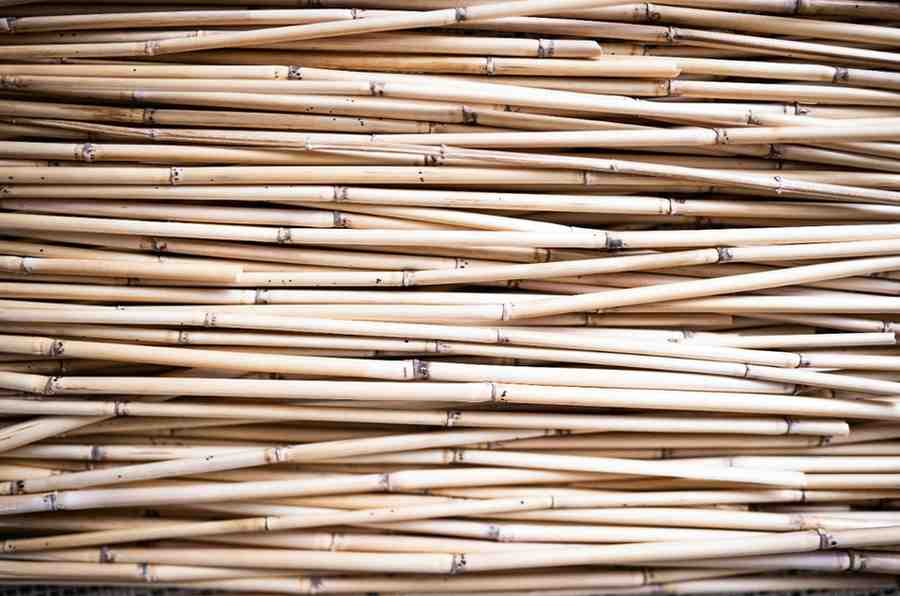
Professional bamboo finishers use specialized equipment like 360-degree sanders that wrap around the pole, feeding it through wire brushes or sanding sleeves. These tools can prepare a pole in minutes rather than hours, achieving perfectly consistent results that are nearly impossible to match by hand. The uniform surface these tools create accepts stain evenly, eliminating the blotchy appearance that often plagues hand-sanded bamboo.
The investment in professional preparation often makes sense for projects involving more than a dozen poles. While renting specialized sanders isn’t typically an option, many bamboo suppliers offer preparation services. For commercial projects or high-visibility installations, professional preparation becomes almost mandatory to achieve the polished look clients expect.
Applying Stains and Sealers to Bamboo Poles
Once your bamboo surface is properly prepared by sanding to remove the protective waxy layer, you’re ready for the satisfying part: applying your chosen finish. Understanding how to treat bamboo poles with appropriate finishes is crucial for achieving long-lasting results.
Essential preparation steps:
- Testing readiness: The surface should appear dull and non-reflective when properly prepared for staining
- Complete coverage: Ensure all areas are sanded, as any remaining waxy coating will prevent proper stain adhesion
Application process:
- Stain application: Use a brush to thinly apply stain, or for best results, rub the stain in with a dry cloth as recommended for bamboo
- Number of coats: Apply three thin layers rather than heavy applications, allowing adequate drying time between each coat
- Excess removal: Wipe off excess stain immediately after applying each coat to achieve a smoother, more perfect finish
- Light sanding: Once each coat is dry, lightly sand before applying the next coat to ensure better adhesion
- Avoid overstaining: Remember that the goal is to highlight bamboo’s natural beauty—it’s possible to overstain bamboo
Finishing and sealing:
- Final sealing: After the final stain coat is dry, apply one to two layers of varnish or sealer for a more natural look
- Between-coat preparation: Lightly sand between sealer layers to improve adhesion
- Drying times: Follow the specific product directions for proper drying times between coats
Product selection considerations:
- Exterior products: Choose products designed for exterior wood applications for durability
- Bamboo-specific needs: Consider that bamboo’s density affects absorption rates differently than traditional lumber
- UV protection: Outdoor bamboo requires UV-resistant finishes for longevity
Maintenance planning:
- Regular inspection: Monitor for signs that refinishing is needed, such as uneven color or reduced protection
- Reapplication timing: Plan for periodic maintenance based on exposure conditions
- Proper conditions: Apply finishes during appropriate weather conditions following manufacturer guidelines
This approach ensures your bamboo poles receive the proper preparation and finishing treatment that highlights their natural beauty while providing lasting protection.
Troubleshooting Common Staining Problems
Most bamboo staining issues stem from incomplete preparation or improper application technique. Here are the most common problems and their solutions:
Stain Won’t Absorb or Beads Up
This means the protective waxy layer wasn’t completely removed. Return to fine-grained sandpaper and continue sanding until there’s absolutely no shine remaining on the surface. Pay extra attention to nodes where wax accumulates more heavily. After sanding, wipe the bamboo with a clean cloth to remove all dust before applying stain.
Blotchy or Uneven Color
Bamboo’s natural density variations cause uneven stain absorption between nodes and hollow sections. This is normal bamboo behavior. To minimize blotchiness, apply stain in thin, even coats using a brush, then immediately rub it in with a dry cloth as recommended. Wipe off excess stain right after application—this technique from the main article helps achieve the smoothest, most even finish possible on bamboo.
Poor Adhesion Between Coats
If subsequent stain coats aren’t adhering properly, you likely skipped the light sanding step between coats. Once each coat is completely dry, lightly sand the surface before applying the next coat. This ensures proper adhesion for all three recommended coats.
Finish Peeling or Flaking
Peeling usually indicates moisture was trapped in the bamboo or the surface wasn’t properly prepared. Strip the failed finish with fine sandpaper, ensure the bamboo is completely dry, then restart the preparation process. Remember to sand until all shine is gone and follow the three-coat application method with adequate drying time between coats. For projects requiring immediate installation, consider wholesale bamboo poles that are pre-treated and ready for finishing.
Color Too Light
Bamboo naturally resists deep stain penetration due to its dense structure. Achieve darker colors by applying the full three coats recommended in the main article, ensuring you wipe off excess after each application and lightly sand between coats for optimal adhesion and color buildup. For consistent results across large projects, sourcing natural bamboo poles from a single supplier ensures uniform staining characteristics.
The key to avoiding most problems is following the original three-step process: thorough sanding to remove all waxy coating, proper three-coat application with cloth rubbing, and light sanding between coats for adhesion.
Skip the Hassle—Get Pre-Finished Bamboo Delivered to Your Door
While finishing bamboo yourself can be rewarding, it’s also time-consuming and requires getting every step exactly right. That’s why amaZulu offers an extensive selection of bamboo poles in various pre-finished options—from natural sealed to rich stained tones that complement any tropical design vision.
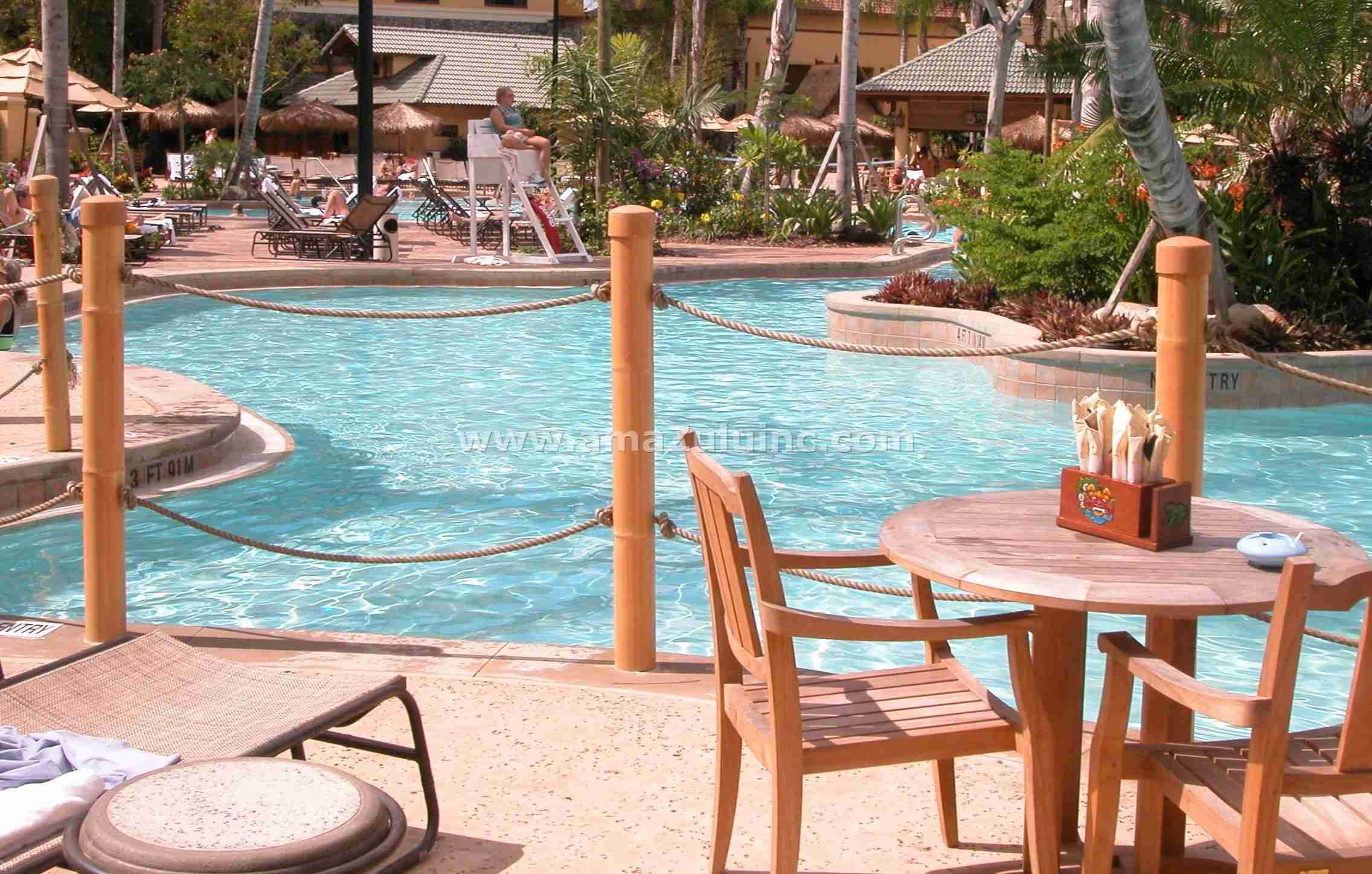
Our 22+ years of experience sourcing directly from villages across Asia means we understand not just bamboo’s natural properties, but also which finishes hold up best in different climates and applications. Whether you need a dozen poles for a backyard tiki bar or hundreds for a resort development, we provide consistently finished, high-quality bamboo that’s ready to install the moment it arrives.
Don’t let the complexities of bamboo finishing delay your project or compromise your results. Contact amaZulu today to explore our inventory of pre-finished bamboo poles, or discuss custom finishing options that match your exact specifications.
Tristan Ishtar
VP of Sales
With over 11 years at amaZulu, Tristan brings deep expertise in tropical building materials and a customer-focused approach. He serves as a trusted consultant for architects and designers, providing expert guidance without high-pressure sales.