
Tristan Ishtar
VP of Sales
A freshly cut bamboo pole contains about as much water as a soaking wet sponge—up to 50% of its total weight. Rush the drying process, and you’ll end up with cracked, warped, or beetle-infested poles that won’t last a season. Take your time and do it right, and those same poles can serve you for over a decade.
The difference between failure and success comes down to understanding that bamboo drying isn’t just waiting for moisture to evaporate—it’s a careful process that transforms green, flexible stalks into golden, durable building materials.
Natural Air Drying Methods
Natural air drying might sound simple—just leave bamboo out until it’s dry, right? In reality, this time-tested method requires specific preparation and positioning to ensure even drying without damage. Commercial operations have refined these techniques over generations, and while they don’t use fancy equipment, every step serves a crucial purpose in producing quality dried bamboo.
The complete natural drying process includes:
- Pre-drying flame treatment: Green bamboo must be straightened over an open flame immediately after cutting, while it’s still flexible. Once bamboo begins drying, it hardens permanently—any bends or curves become locked in place forever.
- Strategic positioning: Poles are leaned against walls at an angle, never laid flat or standing completely vertical. This position allows air to circulate around the entire pole while preventing warping from ground moisture.
- No kiln drying: Unlike lumber, bamboo poles aren’t kiln dried. The rapid, intense heat would cause cracking and structural damage. Natural air drying preserves bamboo’s strength and flexibility.
- Space and airflow requirements: Each pole needs adequate spacing—at least a few inches between poles—to ensure proper air circulation. Overcrowding leads to uneven drying and potential mold growth.
- Benefits over forced drying: Natural drying allows moisture to escape gradually from both the inside and outside of the pole, preventing the stress cracks that occur with accelerated drying methods.
- Common mistakes to avoid: Never dry bamboo in direct ground contact, in completely enclosed spaces, or in areas with no protection from rain. These conditions either trap moisture or reintroduce it during the drying process.
Bamboo Pole Drying Timeline and Visual Indicators
Bamboo drying requires patience, as timelines vary dramatically based on weather conditions. Understanding proper drying indicators prevents project delays and ensures quality results.
Standard Drying Period
Under good conditions—kept dry and protected from rain—bamboo poles need four to six weeks to dry completely. This follows the initial flame straightening, which must happen while bamboo is still green. Once drying begins, bamboo hardens permanently. Proper drying is essential for preventing bamboo pole rot that can compromise your project’s structural integrity.
Extended Drying Scenarios
During rainy seasons, particularly Asian monsoons, drying can extend to five or six months. Each rain event resets the drying process as bamboo absorbs moisture repeatedly.
Visual Indicators
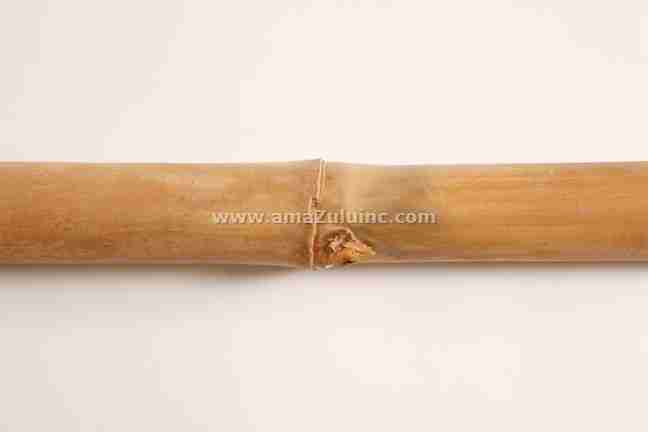
Properly dried bamboo transforms from bright green to warm tan or honey color, signaling safe moisture levels for treatment and use. Any remaining green coloration, especially near nodes, indicates more drying time is needed. Once fully dried, poles are ready for proper treatment applications that further enhance their durability and longevity.
Storage Considerations
Commercial operations simply lean bamboo poles against walls and wait for natural air drying—never kiln drying. Much storage isn’t fully covered, with bamboo often kept outside despite weather exposure. While this seems counterproductive, natural drying works once consistent dry conditions return.
Different climates require different expectations: some regions dry faster, while tropical areas demand patience during wet seasons. The key is understanding bamboo will dry naturally when conditions allow, regardless of timeline. For those planning construction projects, understanding bamboo pole strength characteristics becomes crucial once proper drying is complete.
Skip the Wait—Source Professionally Dried Bamboo Today
While proper drying techniques helps you appreciate quality bamboo, waiting months for poles to dry—or risking failure with improper methods—can derail your project timeline. That’s where partnering with an experienced supplier changes everything.
At amaZulu, we’ve spent over 22 years building relationships with bamboo suppliers who have mastered these drying techniques across generations. Our direct sourcing from villages throughout Asia means every pole in our inventory has been properly dried, monitored through seasonal changes, and prepared for immediate use in your project.
Don’t let drying delays or quality concerns compromise your tropical vision—contact amaZulu today to explore our ready-to-install bamboo options and discover how our commitment to quality and sustainability can bring your project to life on schedule and within budget.
Tristan Ishtar
VP of Sales
With over 11 years at amaZulu, Tristan brings deep expertise in tropical building materials and a customer-focused approach. He serves as a trusted consultant for architects and designers, providing expert guidance without high-pressure sales.