
Tristan Ishtar
VP of Sales
Bamboo is one of those materials that can look perfect on day one—and then surprise you six months later if it’s exposed to the wrong conditions. That’s why the question “how long do bamboo poles last outdoors?” doesn’t have one universal answer. It has ranges, and those ranges depend on a few factors that matter more than most people realize.
This guide breaks down the real drivers of outdoor bamboo lifespan—climate, sun, species, installation, and maintenance—so you can choose a solution that holds up, not just one that photographs well.
1) Quick Answer: Realistic Lifespan Ranges (and Why They Vary)
Outdoor bamboo lifespan depends heavily on moisture exposure and how well it’s protected and maintained. In general, natural bamboo tends to last longer in dry climates and shorter in wet or freeze-thaw environments.
Here are practical rules of thumb:
- Dry, low-humidity climates: Natural bamboo can last many years outdoors, especially with good installation and periodic sealing
- Humid, rainy, or snowy climates: Natural bamboo often becomes a shorter-term outdoor material unless it’s well-protected and maintained
- Direct water contact (water features, constant runoff): Natural bamboo is typically not recommended because continuous moisture accelerates breakdown
- Synthetic bamboo outdoors: Usually provides more predictable longevity with minimal upkeep, especially in harsh or wet conditions—see our guide on best bamboo poles for outdoor use for a full breakdown
2) The Biggest Factor: Climate and Moisture Exposure
If you want the single biggest lever that determines lifespan, it’s moisture—how often bamboo gets wet, how long it stays wet, and whether it ever gets a chance to dry out.
Humidity, Rain, and Standing Water
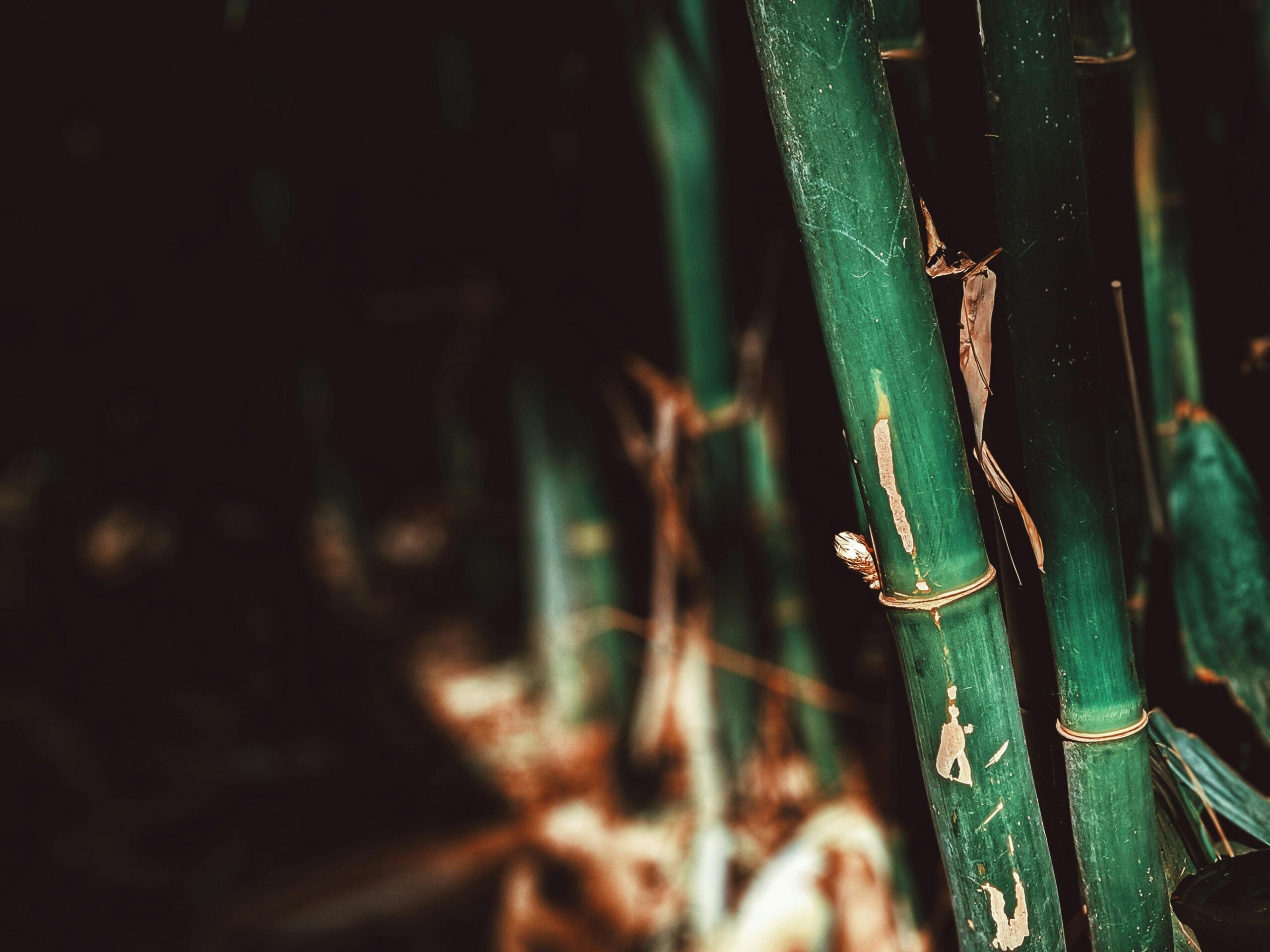
Natural bamboo is a plant-based material. Outdoors, frequent rain and high humidity can push it toward faster deterioration. If water regularly soaks the surface—or worse, if it gets trapped where the bamboo can’t dry—lifespan drops quickly. The goal outdoors is always the same: shed water, avoid water traps, and encourage drying.
Freeze/Thaw Cycles and Seasonal Swings
In areas with freezing winters and warmer days, the cycle of moisture and freezing can worsen splitting and cracking. Small cracks become bigger cracks. Once water gets in, the freeze/thaw effect can speed up failure—especially on exposed installations without protective design elements like overhangs, caps, and airflow.
Dry Climates
In arid regions, natural bamboo has a much better chance outdoors because decay is slower when moisture levels stay low. With decent design and maintenance, outdoor bamboo can be a long-lasting choice in these conditions. Our guide on what climate will my natural bamboo survive goes deeper on this.
Direct Water Contact (Fountains, Run-Through Bamboo, Constant Runoff)
If your design involves water flowing through bamboo or constantly running over it, natural bamboo is the wrong tool for the job. Continuous moisture contact dramatically shortens lifespan. In these scenarios, synthetic bamboo poles are typically the safer and more durable option—particularly for water fountain features.
3) Sun and UV: Color Change vs Long-Term Wear
Sunlight changes bamboo even when moisture isn’t a major issue. The first thing most people notice is appearance: outdoor bamboo tends to fade and weather over time, often shifting toward a more muted, grayish tone.
But UV and heat aren’t only cosmetic. Constant sun exposure can dry bamboo aggressively, which may increase cracking and splitting—especially if the bamboo is also cycling between hot afternoons and cooler nights.
The practical takeaway: if the bamboo will live in full sun, plan for faster visual change and consider protection strategies like sealants, shade design, and smart placement to reduce stress. Our guide on how to treat bamboo poles covers protective finishing options in detail.
4) Species and Build Type: Not All Bamboo Poles Perform the Same
Two projects can use “bamboo poles” and get completely different outcomes because bamboo isn’t one standardized material. What you choose—and how it’s made—matters.
Structural-Grade vs Decorative Bamboo
If bamboo needs to function as more than a visual accent, you have to choose accordingly. Some bamboo types are suited for strength-focused applications, while others are best treated as decorative. Decorative types may look great but can split or fail sooner—especially outdoors.
Pole Thickness, Diameter, and Wall Structure
Generally, thicker, stronger poles handle outdoor stress better than thin poles. Thin bamboo can look clean and minimal, but it’s typically more vulnerable to cracking, splitting, and wear when exposed to the elements. See our bamboo pole diameters guide to understand how size affects performance.
Natural vs Synthetic Bamboo Outdoors
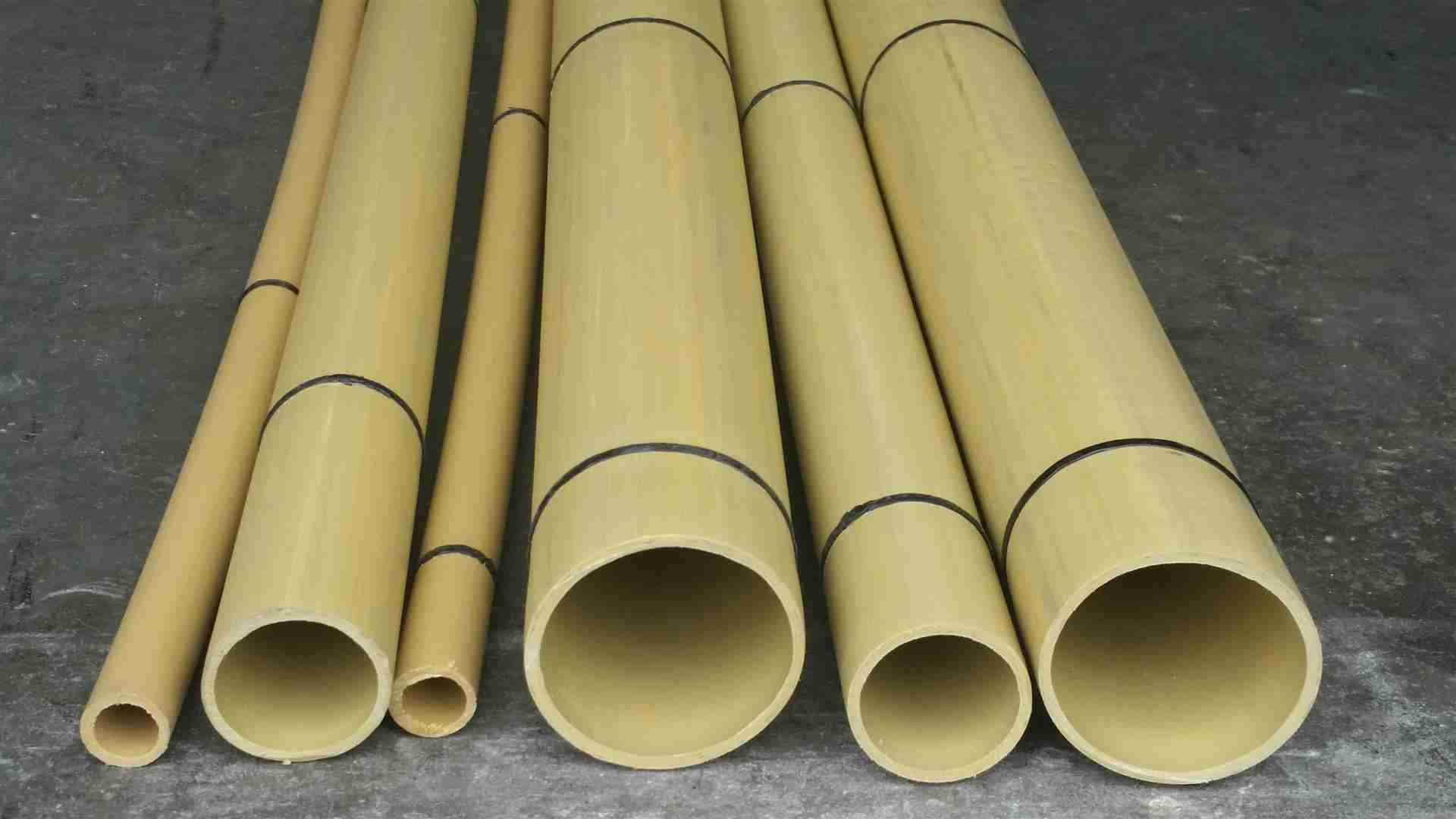
Natural bamboo poles outdoors can deliver an unmatched organic look, but they often ask more from you in maintenance and design. Synthetic bamboo tends to offer more consistent performance in wet climates, better long-term visual consistency, and fewer upkeep demands. Our full bamboo poles comparison breaks down the key differences by type.
5) Installation Details That Quietly Decide Lifespan
Even the best bamboo won’t last if it’s installed in a way that traps moisture, wicks water from the ground, or encourages cracking. Installation is where lifespan is won or lost.
- Avoid direct ground contact whenever possible (ground moisture is relentless)
- Design for airflow so bamboo can dry after rain or humidity
- Protect the ends (caps or sealed ends help reduce water ingress)
- Use smart spacing and fastening so the bamboo isn’t forced to flex or split as it expands/contracts
- Plan for water shedding (overhangs, drip edges, angled surfaces)
- Don’t build moisture traps (tight wraps, enclosed pockets, or boxed-in areas that never dry)
For more installation guidance, see our guides on how to connect bamboo poles and how to lash bamboo poles together.
6) Maintenance: What to Do, How Often, and What Happens If You Don’t
If you want natural bamboo outdoors, maintenance isn’t optional—it’s part of the plan. The good news is that basic upkeep can meaningfully extend lifespan. See our full guide on cleaning and maintaining bamboo poles for a detailed walkthrough.
Sealing/Refinishing Cadence
A common planning assumption is re-sealing every couple of years, then adjusting based on exposure. Full sun, heavy rain, and high humidity usually mean you’ll need to protect it more often than a covered patio installation.
What to Inspect For
Do regular, quick checks—especially after extreme weather:
- Cracks or splitting that’s expanding
- Soft spots (a sign moisture is winning)
- Mold/mildew buildup
- Insect activity depending on location
- Loose fasteners or areas where water is getting trapped
Our guide on preventing bamboo pole rot covers what to watch for and how to get ahead of problems before they compound.
When to Replace vs Repair
Small issues can often be stabilized if caught early. But once bamboo has widespread cracking, softness, or deep moisture damage, replacement becomes the safer move—particularly for commercial environments where appearance and safety matter.
7) Common Outdoor Use Cases and What to Expect
Different outdoor applications stress bamboo in different ways. Here’s what typically happens in the most common scenarios.
Privacy Fencing and Screening
Bamboo fencing is popular because it’s fast and looks great—but it’s also exposed: wind, rain, sun, and ground moisture all hit it at once. Natural bamboo fencing can work well with the right material choice, protective design, and maintenance plan. If you want longer-term predictability outdoors (especially in wet climates), synthetic bamboo often performs better with less work.
Landscaping Accents and Décor
This is one of the most forgiving use cases—especially when bamboo is partially protected under eaves, in covered areas, or placed where it can dry quickly. Our creative project ideas for bamboo poles can help with placement and design planning. Expect gradual weathering and color change; maintenance determines how “fresh” it stays.
Commercial Theming (Hospitality, Parks, Resorts)
Commercial outdoor bamboo is usually a lifecycle decision: visual consistency, maintenance labor, replacement logistics, and guest-facing appearance all matter. Synthetic bamboo is often chosen here because it keeps a consistent look and lowers upkeep demands, while natural bamboo is typically used where authenticity is the priority and the installation can be protected and maintained.
Water Features
If water will constantly touch the bamboo, treat that as a red flag for natural bamboo. Synthetic bamboo is typically the smarter option for wet, high-contact environments. See our water fountain feature bamboo guide for product recommendations suited to these conditions.
Get an Outdoor Bamboo Recommendation Based on Your Climate and Use Case
Figuring out how long bamboo poles will last outdoors starts with matching the right material to your environment and installation details. A few minutes of planning up front can save you from premature wear, unexpected maintenance, or a replacement project you didn’t budget for.
amaZulu can help you select the right bamboo solution—natural or synthetic—based on your climate, exposure, and design goals. Reach out with your project details and we’ll point you in the right direction fast.
Call (877) 243-5309 or email [email protected] to get started.
Tristan Ishtar
VP of Sales
With over 11 years at amaZulu, Tristan brings deep expertise in tropical building materials and a customer-focused approach. He serves as a trusted consultant for architects and designers, providing expert guidance without high-pressure sales.