
Tristan Ishtar
VP of Sales
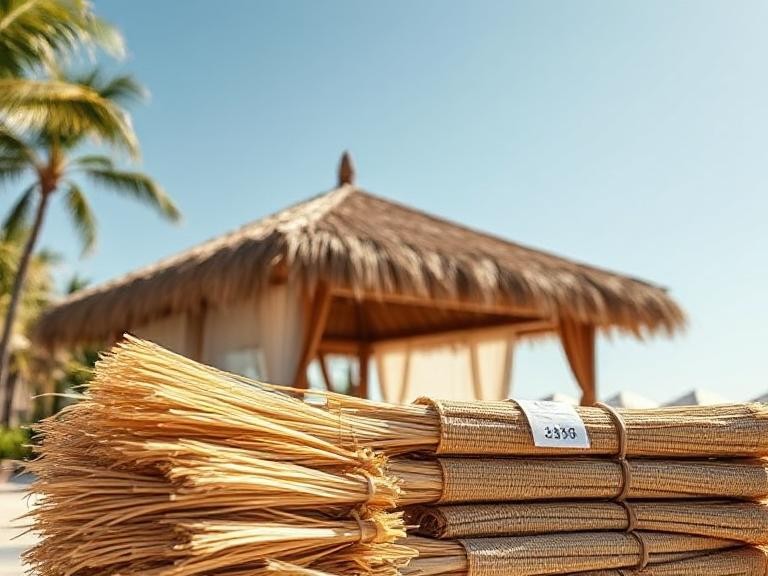
A well-built tiki bar in Florida will provide an authentic-looking thatched roof for decades while weathering intense storms and strict fire codes without missing a beat. What makes this possible isn’t some miracle of ancient building techniques, but rather modern fire safety engineering that transforms a traditionally risky material into one that meets today’s most stringent commercial building requirements.
While natural thatch has been avoided in commercial applications due to fire concerns, advances in both synthetic materials and fire-retardant treatments now allow architects and developers to achieve that coveted tropical aesthetic without compromising safety.
In this guide, we’ll talk about some of the fire safety requirements for thatch roofing in commercial buildings.
Fire Safety Standards for Commercial Thatch Roofing: An Overview
Commercial thatch installations must meet specific fire safety standards that serve as minimum thresholds for any commercial project. These standards ensure that decorative roofing materials don’t become safety hazards in high-traffic venues like theme parks, resorts, and entertainment facilities.
Key fire safety requirements include:
- ASTM 84 Standard: Covers interior fire rating requirements, measuring how materials contribute to flame spread and smoke development in enclosed spaces
- ASTM 1081 Standard: Addresses exterior fire rating requirements, testing materials’ resistance to external fire exposure and their tendency to spread flames across building surfaces
- Class A Fire Rating: The gold standard for commercial applications, indicating the highest level of fire resistance with minimal flame spread and smoke production
- Regional Building Codes: Additional requirements that vary by location, such as enhanced wind and fire resistance standards in hurricane-prone areas like Miami-Dade County
- Documentation Requirements: Proper certification and testing reports that building inspectors and insurance companies require for project approval
Fire Retardant Treatment Options for Natural vs. Synthetic Thatch
The choice between natural and synthetic thatch materials fundamentally shapes your fire safety strategy. Each option addresses fire resistance through different methods, with distinct advantages depending on your project’s specific requirements and aesthetic goals.
Synthetic Thatch: Built-in Fire Protection
Synthetic thatch products achieve fire resistance through engineered polymer compositions that integrate fire-retardant materials during the manufacturing process. High-density polyethylene (HDPE) undergoes specialized treatment to achieve Class A fire ratings while maintaining the authentic appearance of natural thatch.
This built-in protection means the fire resistance is permanent and won’t degrade over time like surface treatments might. For commercial projects, synthetic options are often preferred because they eliminate the ongoing maintenance required to maintain fire ratings and provide consistent performance throughout their 20+ year lifespan.
Natural Thatch: Post-Treatment Solutions
Organic thatch materials can be treated with fire-retardant chemicals to achieve Class A fire ratings, making them viable for commercial applications where the authentic texture and appearance of natural materials is essential.
The treatment process involves applying specialized fire-retardant compounds that penetrate the organic fibers and create a protective barrier against ignition. However, these treatments may require periodic renewal depending on environmental conditions and exposure, adding to long-term maintenance considerations.
Comparing Long-term Fire Safety Performance
Synthetic materials maintain their fire resistance indefinitely without additional treatment, while natural thatch may need retreatment every several years depending on climate conditions and wear.
The initial investment in synthetic options often pays off through reduced maintenance costs and guaranteed compliance with fire safety standards throughout the material’s lifetime. Natural thatch requires ongoing monitoring and potential retreatment to maintain its fire rating certification.
Meeting Commercial Building Codes and Safety Requirements
Fire-resistant thatch addresses the historical safety concerns that once limited natural thatched roofing to residential applications. Modern building codes recognize properly treated and certified thatch materials as legitimate roofing options when they meet established fire safety standards.
The approval process typically involves submitting detailed documentation showing ASTM test results and fire rating certifications to local building departments. Many jurisdictions now have streamlined processes for reviewing fire-rated thatch applications, especially in areas where themed construction is common.
High-traffic commercial venues like theme parks and entertainment facilities often face additional scrutiny from fire marshals and insurance companies. These stakeholders want to see not just compliance with minimum standards, but evidence of superior fire performance and comprehensive safety planning.
Working with experienced contractors and architects familiar with thatch installation helps ensure proper integration with existing fire suppression systems, adequate ventilation design, and compliance with accessibility requirements. The installation method can significantly impact fire performance, making professional expertise essential.
Regional building codes add another layer of complexity, with some areas requiring enhanced fire resistance due to local climate conditions or wildfire risk. Coastal regions may combine fire requirements with hurricane resistance standards, demanding materials that perform well under multiple stress conditions.
Documentation requirements extend beyond initial approval to ongoing compliance monitoring. Commercial properties must maintain current fire rating certificates and may need periodic inspections to verify that fire-resistant properties haven’t been compromised by weathering or damage.
Get Expert Fire Safety Guidance for Your Commercial Thatch Project
Navigating fire safety requirements for commercial thatch installations requires specialized knowledge of both building codes and material performance characteristics. With over 22 years of experience supplying fire-rated thatch materials to major theme parks, resorts, and commercial developments worldwide, amaZulu understands the complexities of achieving both aesthetic goals and safety compliance.
Whether you’re planning a themed restaurant, resort development, or entertainment venue, amaZulu’s team can quickly assess your project requirements and recommend the most appropriate fire-resistant thatch solutions. Contact us today for a free consultation.
Tristan Ishtar
VP of Sales
With over 11 years at amaZulu, Tristan brings deep expertise in tropical building materials and a customer-focused approach. He serves as a trusted consultant for architects and designers, providing expert guidance without high-pressure sales.