
Tristan Ishtar
VP of Sales
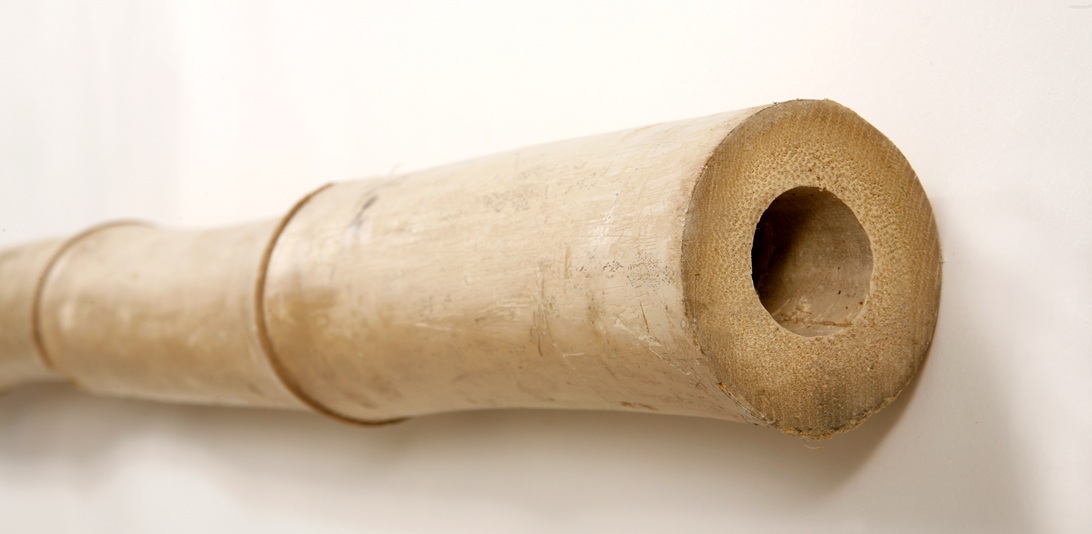
Many buyers ask for “faux bamboo” when they mean long-lasting bamboo visuals outdoors. In commercial practice, suppliers like amaZulu typically refer to these as synthetic bamboo products, and the naming matters because product categories and use cases can differ.
This comparative guide explains whether faux bamboo poles (or artificial/synthetic, as we call it) for outdoor construction are a smart choice. You will see where synthetic options shine, where natural poles still fit, and how to evaluate tradeoffs based on durability, maintenance, and total project impact.
Outdoor Performance: The Core Comparison
Natural bamboo can look exceptional, but prolonged wet exposure can accelerate weathering and decay if detailing and maintenance are weak. Synthetic bamboo is often selected in these conditions because it maintains appearance with less moisture-related risk.
amaZulu background material repeatedly points to outdoor scenarios where synthetic products were used to avoid early deterioration and support long-term themed environments. For a direct comparison of how the two material types behave in the field, amaZulu’s guide on bamboo poles vs synthetic bamboo poles is a useful reference before scope decisions are finalized.
Durability and Maintenance Tradeoffs
- Natural bamboo: Strong visual authenticity, but requires disciplined sealing, inspection, and replacement planning.
- Synthetic bamboo: Usually better resistance to moisture-driven deterioration and lower recurring upkeep in harsh settings.
If facilities staffing is limited, maintenance demand alone can justify synthetic selection. This Old House notes that outdoor natural materials require consistent sealing schedules and surface prep to perform reliably — a maintenance commitment that synthetic products largely remove from the equation.
Cost Comparison Beyond Purchase Price
A short scenario helps clarify the decision:
Project A buys lower-cost natural poles for an exterior queue zone with misters and heavy sun. Project B buys synthetic bamboo poles for the same look. Project A starts cheaper, but maintenance and replacement events create recurring labor and downtime. Project B starts higher but reduces interventions.
Over several operating cycles, Project B may produce steadier total ownership cost and fewer guest-disruptive repairs.
Quick takeaway: evaluate service window cost, not just first invoice cost.
Where Natural Still Makes Sense Outdoors
Natural poles remain viable when:
- Exposure is moderate or sheltered.
- Owner expectations include organic weathering.
- A real maintenance program is funded and staffed.
- Structural intent calls for verified structural bamboo species.
In these conditions, natural can deliver excellent results.
Where Synthetic Is Usually the Better Outdoor Call
High-Humidity and Wet-Feature Environments
Moisture resilience is a major advantage here.
Utility Masking and Retrofit Work
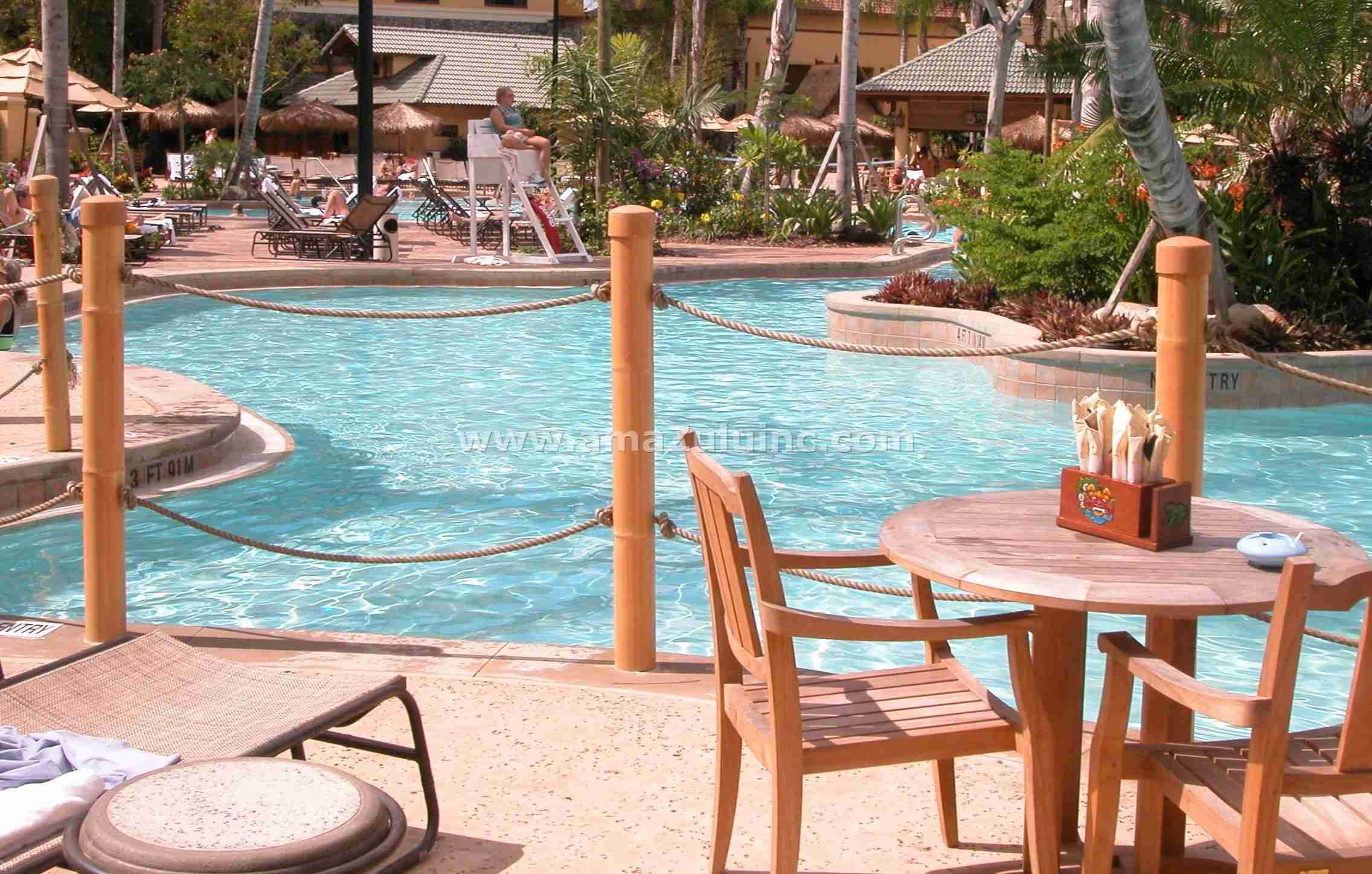
Synthetic sleeves and covers can quickly transform visible infrastructure. amaZulu’s faux bamboo poles and artificial interlocking bamboo are commonly used for exactly this type of retrofit and concealment work on commercial properties.
Multi-Site Brand Consistency
Synthetic helps standardize appearance across locations and climates.
Tight Maintenance Windows
Lower routine upkeep supports continuous operation. Bluebeam’s construction blog highlights that matching material selection to site exposure and operational constraints is one of the most important decisions commercial teams make in tropical-themed builds.
Practical Decision Checklist for Project Teams
- Classify each area by moisture severity and sun load.
- Define maintenance capacity realistically.
- Identify structural versus decorative roles.
- Compare at least two lifecycle scenarios.
- Review mockups in real site lighting.
This approach keeps the debate objective and tied to project constraints.
Mini FAQ
Is synthetic bamboo less authentic looking? It depends on product quality and context. Many current systems deliver convincing visuals at normal viewing distance.
Can natural bamboo be mixed with synthetic on one project? Yes. Hybrid strategies are common, using each material where it performs best.
Is synthetic always the right outdoor choice? No. It is often the better choice in harsh exposure, but project goals and maintenance plans should drive selection.
Choose by Zone, Not by Rule
Faux bamboo poles for outdoor construction — more precisely, synthetic bamboo poles — are often a strong choice when durability and low maintenance are top priorities. Natural bamboo still has a place where authenticity and managed upkeep are feasible. The best projects choose material by zone, exposure, and operations reality instead of relying on a one-material rule.
Tristan Ishtar
VP of Sales