
Tristan Ishtar
VP of Sales
Yes, in many cases, synthetic thatch can be installed over an existing roof or subroof.
Many commercial and residential projects use a solid roof deck, such as plywood, as the foundation for synthetic thatch. The synthetic panels or thatch sections are then attached to create the tropical appearance of a traditional thatched roof while providing long-term durability.
However, not every roof is ready for synthetic thatch without some preparation.
What Type of Roof Works Best?
Synthetic thatch is commonly installed over:
- Plywood roof decking
- Solid roof structures
- Existing subroofs designed to support roofing materials
- New construction roofs built specifically for synthetic thatch
A solid surface provides the support needed to properly fasten the thatch and ensure it performs well over time.
Can You Install Synthetic Thatch Over an Existing Roof?
In many situations, yes.
If your existing roof is structurally sound, synthetic thatch can often be added as a decorative roofing layer. This allows property owners to achieve a tropical look without completely rebuilding the structure underneath.
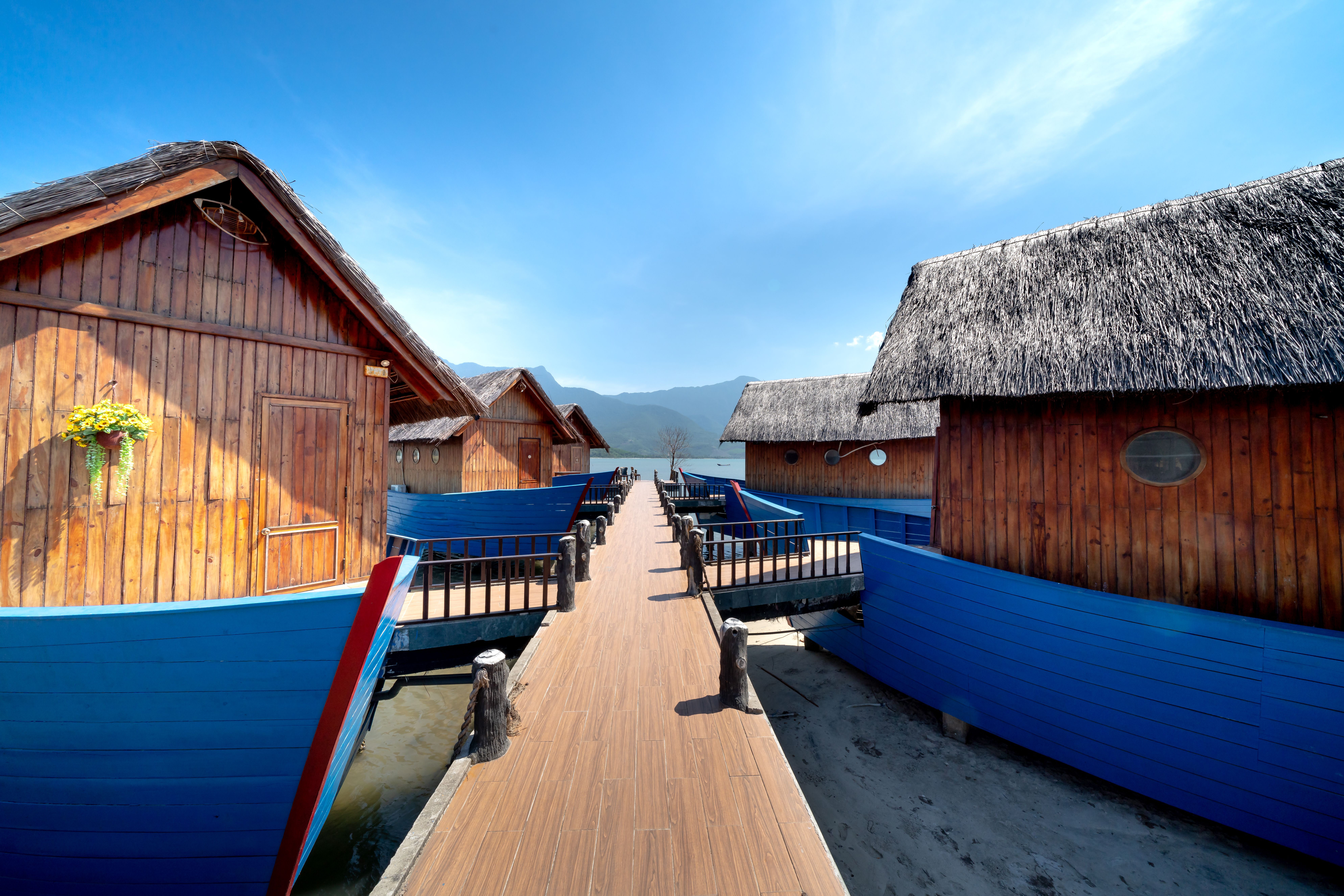
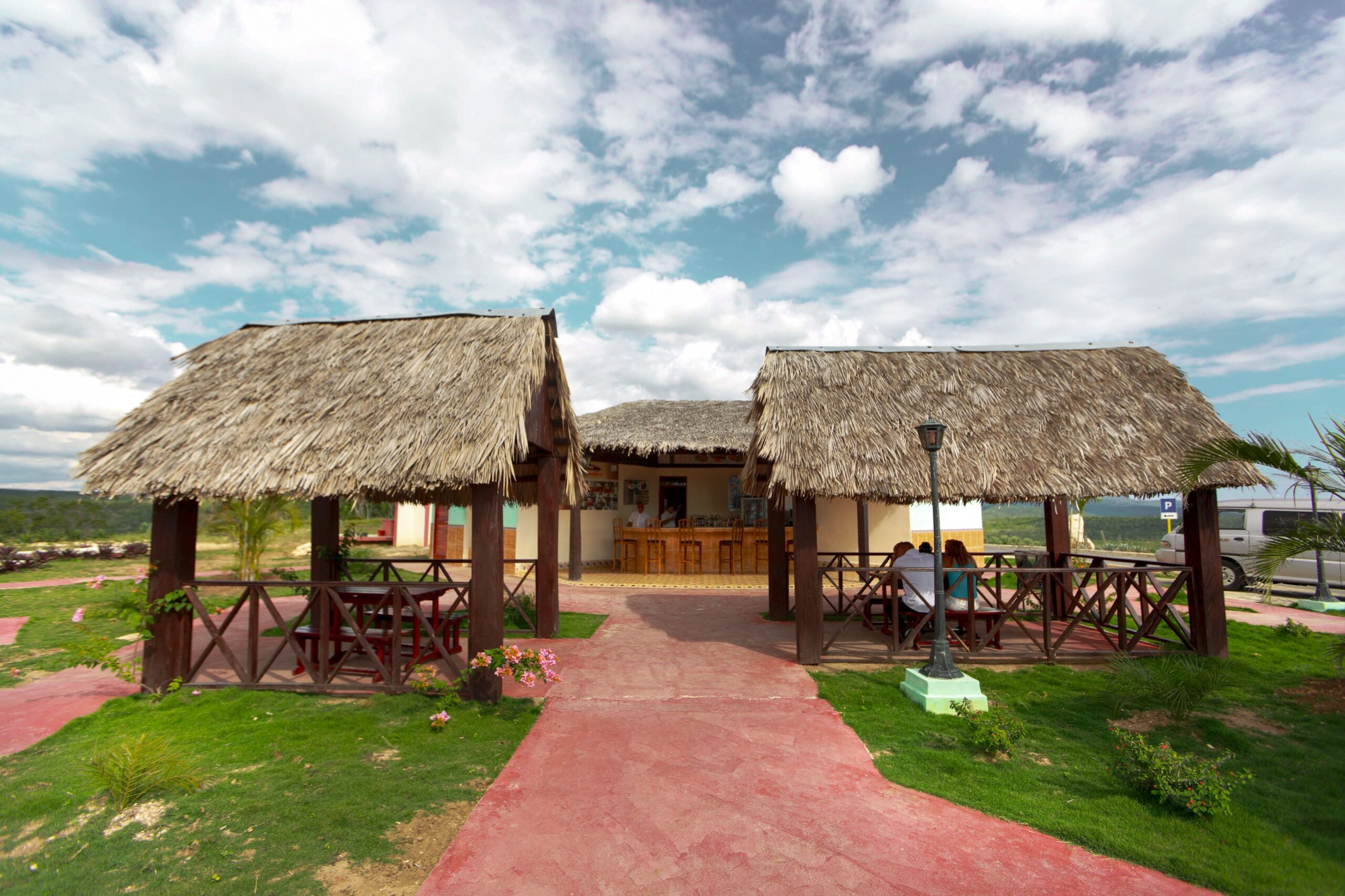
Many resorts, restaurants, theme parks, and backyard tiki projects use this approach to upgrade the appearance of an existing building.
When Might Modifications Be Needed?
Some older structures may require adjustments before synthetic thatch can be installed.
For example, roofs originally designed for natural thatch may have support spacing that differs from what synthetic thatch requires. In these cases, additional framing or attachment points may need to be added before installation can begin.
The condition of the existing roof is also important. Damaged or deteriorated roofing materials should be repaired before adding new decorative roofing products.
Why Install Synthetic Thatch Over a Subroof?
A subroof provides several important benefits:
- Added weather protection
- Better structural support
- Easier installation
- Improved long-term performance
- Reduced maintenance requirements
This combination allows property owners to enjoy the appearance of natural thatch while benefiting from the durability of modern roofing materials.
Should You Remove the Existing Roof First?
Not always.
In some projects, the existing roof can remain in place and serve as the foundation for the synthetic thatch system. In others, removing old materials may provide a better installation surface.
The best approach depends on the condition of the roof, local building codes, and the type of synthetic thatch being used.
The Bottom Line
Synthetic thatch can often be installed over an existing roof or subroof, provided the structure is sound and suitable for the chosen roofing system. A solid roof deck typically provides the best foundation and helps ensure long-lasting performance.
Because every project is different, it’s important to evaluate the existing structure before installation begins.
Need Help Planning Your Synthetic Thatch Roof?
Contact amaZulu today. Our team can help you determine whether your existing roof is suitable for synthetic thatch and recommend the best products for your project, budget, and design goals.
- Focus Keyword: synthetic thatch over existing roof
- Slug: can-synthetic-thatch-over-existing-roof
- Meta Title: Can Synthetic Thatch Be Installed Over an Existing Roof? (55 chars)
- Meta Description: Learn how synthetic thatch can be installed over an existing roof or subroof. Find out what preparation is needed and which roof types work best. (143 chars)