

Tristan Ishtar
VP of Sales
If “bamboo poles vs synthetic bamboo poles” sounds like a simple style choice, it isn’t. The wrong pick can turn a clean, tropical build into a maintenance headache—or worse, a redo you didn’t budget for.
Here’s the real truth: the best option depends less on “what looks cool” and more on what the poles need to do (structural vs decorative), where they’ll live (wet vs dry, indoor vs outdoor), and how much upkeep you’re willing to own. Our bamboo pole selection guide is a good starting point if you want a broader overview before diving in.
1) Fast Decision Filter: Structural vs Decorative
Before you compare durability, maintenance, appearance, or cost, you need to answer one question: are the poles doing structural work—or are they purely decorative/theming?
If It’s Structural, Start With Natural (and the Right Species)
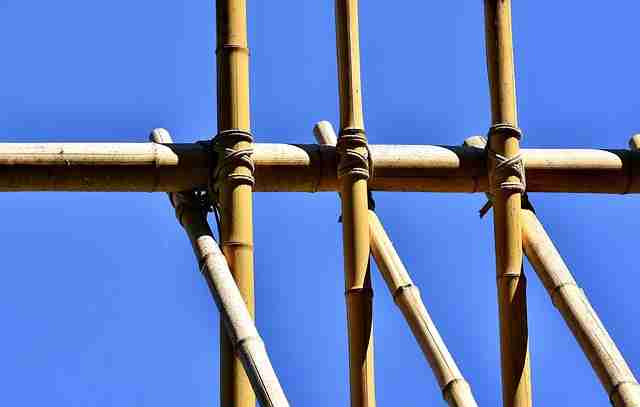
Synthetic bamboo is not a structural material. If the poles must carry load, support a roof element, act as a true post, or serve any real structural purpose, you’re in natural bamboo territory—but not just any bamboo. Our bamboo pole strength guide covers what to look for, and our structural bamboo poles page outlines the options best suited for load-bearing applications.
If It’s Decorative, the Environment Decides
If the bamboo is being used for theming, cladding, screening, visual columns, rails, or accents, both natural and synthetic can be viable. From there, the deciding factors become exposure, maintenance tolerance, consistency needs, and code requirements. See our natural bamboo poles guide and synthetic bamboo poles overview to compare your options side by side.
Quick takeaway: Structural = natural (correct species). Decorative = natural or synthetic, then compare environment and upkeep.
2) Outdoor Durability: Climate, Exposure, and Lifespan
Outdoor performance is where most “bamboo regret” comes from. For a full breakdown of what drives outdoor lifespan, see our guide on how long bamboo poles last outdoors.
Wet, Humid, or Freeze-Thaw Climates
In consistently damp environments—or places with snow, ice, and seasonal swings—natural bamboo tends to deteriorate faster. Moisture is the enemy: it accelerates decay and makes cracking and splitting more likely over time. Our guide on preventing bamboo pole rot covers how to slow this down if you’re committed to natural bamboo in a wetter climate.
Dry Climates
In arid regions, natural bamboo can perform much better outdoors. Less moisture means slower decay, fewer problems, and longer service life—especially if the installation is designed thoughtfully and maintained. See our guide on what climate will my natural bamboo survive for region-specific guidance.
Direct Water Contact (Fountains, Water Features, Run-Through Designs)
If your project involves water running through, over, or constantly against the poles, natural bamboo is a poor match. Synthetic bamboo is typically the safer option here—particularly for water fountain features.
UV Exposure and Color Stability
Sunlight changes both materials, but in different ways. Natural bamboo tends to fade and weather into a grayer, aged look. Synthetic bamboo poles are often designed to resist UV and fading, keeping appearance more consistent for longer—especially helpful for large venues where visual consistency matters.
Quick takeaway: Outdoor + wet/humid + water features = synthetic usually wins. Outdoor + dry climate + maintenance-ready = natural can make sense.
3) Maintenance Reality: What You’re Signing Up For
Natural Bamboo Typically Needs Ongoing Protection
- Plan to re-seal or re-coat periodically to slow weathering and extend lifespan—see our guide on how to treat bamboo poles for a practical routine
- Expect routine inspections for splitting, cracking, insect activity, and early signs of decay
- Be ready for touch-ups to keep a consistent look as poles age at different rates
- Budget for replacement cycles outdoors—especially in wet climates or harsh exposure
Our full guide on cleaning and maintaining bamboo poles walks through what a realistic maintenance schedule looks like.
Synthetic Bamboo Typically Needs Minimal Upkeep
- Mostly cleaning (dust, pollen, grime) and occasional rinsing
- Check fasteners and joints if the system uses modular connections
- Less labor over time, which matters a lot for commercial properties and staffed venues
Quick takeaway: Natural can be worth it, but it’s rarely “install and forget.” Synthetic is closer to “set it and maintain lightly.”
4) Appearance + Consistency: Organic Variation vs Uniform Perfection
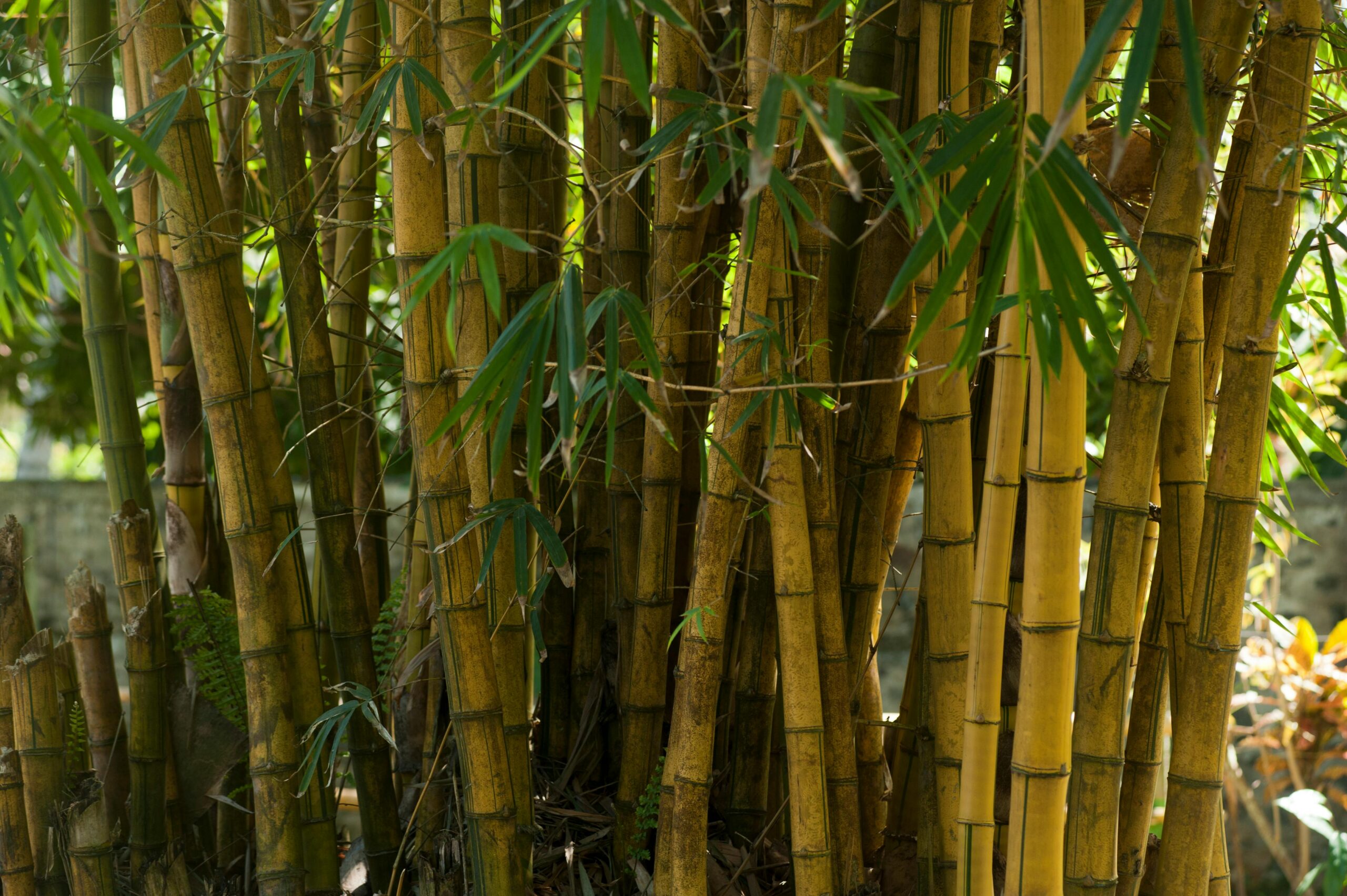
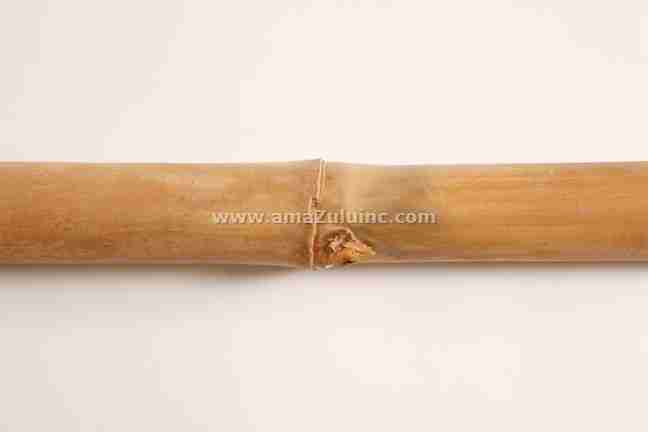
Natural bamboo brings a kind of authenticity you can’t fully manufacture. The small shifts in tone, texture, diameter, and node pattern make the finished look feel alive—especially in tropical and themed environments where “perfectly identical” can look fake.
Synthetic bamboo wins on consistency. When you need the same diameter, the same finish, and the same color across a large property—or across multiple phases of a build—uniformity becomes a feature, not a compromise. That predictability is a big deal for theme parks, resorts, and entertainment venues where replacements need to match.
5) Performance Features: Fire Ratings, UV Resistance, Warranties, and Integration
Fire-Retardant and Code Considerations
Some synthetic bamboo products are built with fire-retardant properties, which can make them a better fit for indoor environments or areas where building codes restrict natural materials. See our guide on fire-retardant thatch roof materials for context on how fire ratings factor into commercial tropical builds.
UV Resistance and Fade Performance
Synthetic bamboo is often designed to resist UV damage and fading, which helps keep the look consistent outdoors—especially valuable when you’re maintaining a specific theme or brand look year-round.
Warranty and Predictability
Because synthetic bamboo is manufactured to consistent specs, it can come with clearer performance expectations and sometimes warranties, making planning and budgeting easier for larger projects.
Integration Advantages: Lighting, Wiring, Speakers, and Plumbing
Many synthetic bamboo systems use a hollow-core design, which can make it easier to hide LED strips, run wiring, route small plumbing lines, or integrate audio elements. Artificial interlocking bamboo is a strong option here for commercial builds requiring utility integration.
Quick takeaway: If your project needs code-friendly materials, long-term visual stability, or hidden utilities, synthetic bamboo can be the more functional choice.
6) Cost: Upfront Price vs Total Cost Over Time
For a detailed breakdown, see our guide on how much bamboo poles cost.
Natural Bamboo Cost Profile
- Often lower upfront material cost
- Higher ongoing costs tied to maintenance, refinishing, and weather-related wear
- Greater likelihood of earlier replacement outdoors in wet climates
- Visual variation can make piecemeal repairs more noticeable
Synthetic Bamboo Cost Profile
- Often higher upfront cost
- Lower ongoing costs due to minimal upkeep
- Longer replacement cycles in harsh outdoor use
- More predictable matching if you need to swap pieces later
- Modular systems can reduce shipping or make it easier to create longer runs without custom freight—see our bulk bamboo poles guide for large-order planning
Quick takeaway: If labor, downtime, and replacement are expensive for you, synthetic can be cheaper in the long run—even if it costs more on day one.
7) Common Project Scenarios: Which One Should You Choose?
Bamboo Privacy Fencing
If you’re building a tall fence with natural bamboo, durability depends heavily on choosing a strong species and designing for outdoor exposure. Our guide on installing a tall bamboo fence covers what to plan for. Synthetic bamboo often makes sense when you want consistent appearance, fewer repairs, and better long-term predictability outdoors.
Water Features and Tropical Landscaping
Any design involving constant water contact or high-moisture exposure leans strongly toward synthetic bamboo. See our water fountain feature bamboo guide for product recommendations suited to wet environments.
Hospitality Theming (Bars, Restaurants, Resorts)
Hospitality projects balance authenticity with staffing realities. If you want the organic, high-end look and have a team to maintain it, natural bamboo can shine—especially indoors or in protected areas. For inspiration, see our tropical restaurant patio design ideas. If you need code-friendly options and low upkeep, synthetic often fits better.
Theme Parks and Entertainment Venues
Large venues tend to prioritize consistency, repeatability, and lifecycle planning. See our guide on choosing bamboo poles for themed environments for a deeper look at how commercial properties approach this decision.
Quick takeaway: The more public-facing, weather-exposed, code-driven, or maintenance-sensitive your project is, the more synthetic bamboo tends to make sense.
Talk to amaZulu About Your Project
Deciding between natural and synthetic bamboo poles comes down to your environment, how the poles will be used, and how much maintenance you want to manage long-term. The fastest way to avoid surprises is to get input from people who’ve seen these materials succeed—and fail—across real installs.
With 22+ years of experience and direct global sourcing across both natural and synthetic options, amaZulu can help you match the right material to your project and avoid costly missteps. Call (877) 243-5309 or email [email protected] with your project details and we’ll get back to you with a clear recommendation.
Tristan Ishtar
VP of Sales
With over 11 years at amaZulu, Tristan brings deep expertise in tropical building materials and a customer-focused approach. He serves as a trusted consultant for architects and designers, providing expert guidance without high-pressure sales.