

Tristan Ishtar
VP of Sales
Outdoor bamboo can look exceptional in resorts, themed attractions, restaurants, and landscape features—but only when teams treat UV exposure as a design and maintenance issue, not an afterthought. If your project needs long-term appearance and safety, bamboo poles UV protection should be specified from day one.
Why outdoor bamboo degrades in the sun
UV radiation breaks down lignin and surface fibers over time. Combined with heat and moisture cycling, that leads to:
- Color fade and chalking
- Hairline surface cracks
- Deeper checking and splitting at stress points
- Faster weathering at cut ends and fastener penetrations
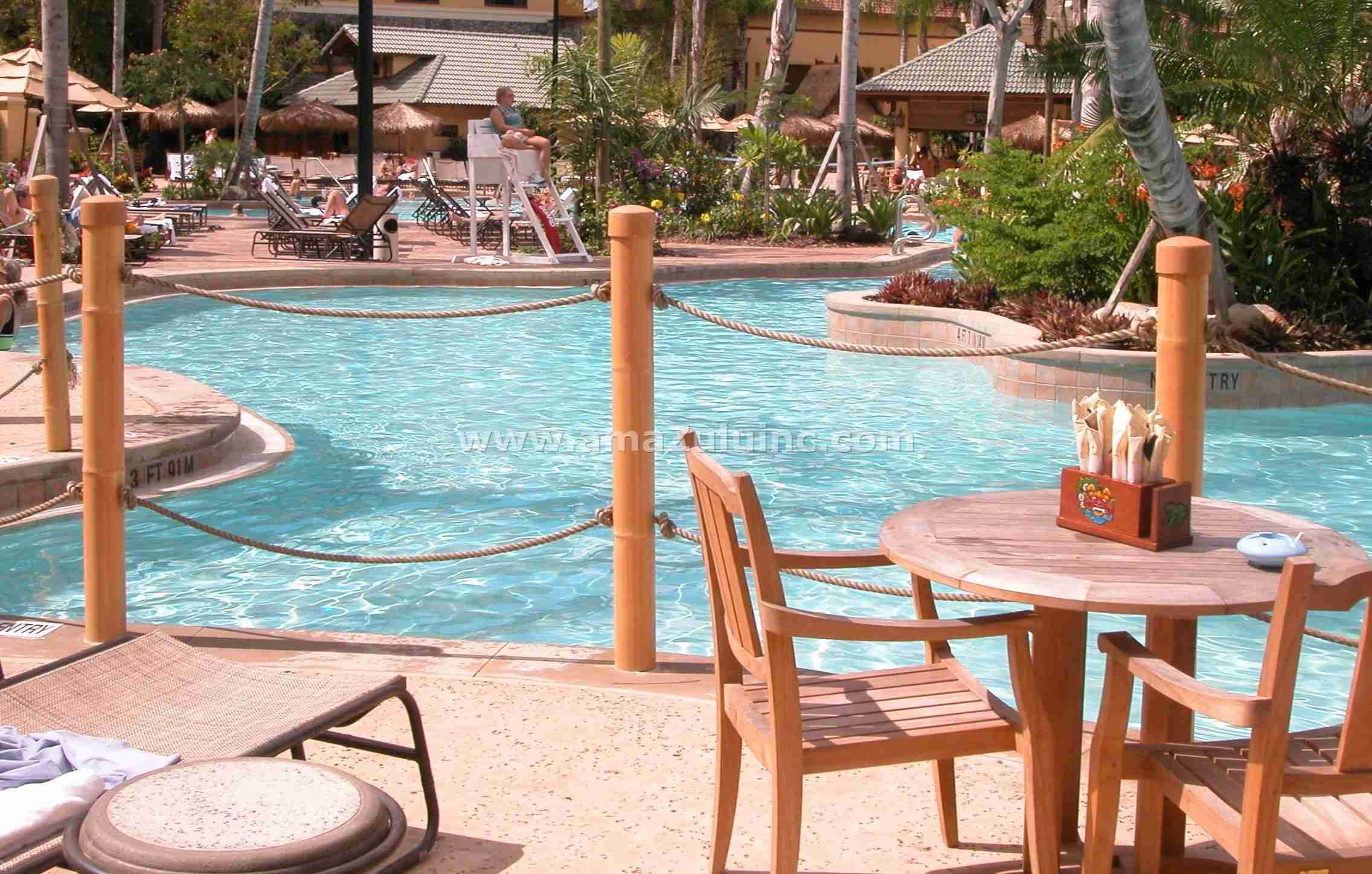
Salt air, high humidity, and freeze-thaw cycles can accelerate visible wear. South- and west-facing elevations are typically hit hardest. This is especially relevant for commercial bamboo pole installations in coastal resorts, water parks, and open-air dining environments where exposure is continuous and high-stakes.
What a good UV protection strategy includes
Commercial projects usually perform best with a layered approach:
- Right product selection for the exposure level (covered, semi-exposed, fully exposed)
- Factory or field treatment compatibility confirmed in writing
- UV-resistant finish system with exterior-grade performance
- Detailing that limits water intrusion at joints, end cuts, and penetrations
- Planned maintenance cycle in O&M documents and owner budgets
Skipping any one of these steps tends to shorten service life and increase cosmetic failures. Teams specifying bamboo poles for outdoor use should confirm that the product grade and any factory treatments are rated for the intended exposure level before finalizing the spec.
Coatings and finish systems that are commonly used
Always follow supplier guidance, but many commercial teams evaluate systems such as:
- Exterior clear coats with UV inhibitors
- Pigmented or semi-transparent stains (often more UV-stable than fully clear systems)
- Multi-coat systems that pair sealer + UV-resistant topcoat
- Specialty treatment/coating packages offered for tropical materials
Spar urethane is a frequently used option for outdoor bamboo—it contains UV blockers to reduce fading, repels water, and resists abrasion. Previously sealed bamboo typically needs resealing every 1–3 years as the finish wears. In general, clearer finishes show weathering sooner, while pigmented systems may hold visual consistency longer. Match coating choice to your design intent and maintenance tolerance.
Application best practices for commercial installations
A coating spec is only as good as field execution. Include these points in your installation plan:
- Confirm moisture condition and surface prep requirements before coating
- Seal all cut ends and drilled holes during installation
- Apply the full specified film build (not just one light cosmetic coat)
- Respect cure windows and weather restrictions
- Protect finished poles from jobsite damage before turnover
For detailed guidance on field preparation, the how to treat bamboo poles resource covers surface readiness, moisture testing, and sealer application steps for both residential and commercial contexts.
If multiple trades interact with the feature, assign one party clear responsibility for final finish integrity.
Realistic maintenance schedule (not “set and forget”)
For exterior bamboo, maintenance should be expected. A common framework:
- Inspection: every 6–12 months
- Cleaning: remove dirt, biological growth, and salt residue as recommended
- Touch-up: as soon as coating damage appears at high-wear points
- Recoat cycle: typically every 1–3 years depending on exposure and coating type
High-UV, coastal, and high-traffic conditions often require more frequent recoat intervals. Research on bamboo photodegradation shows that UV exposure breaks down the lignin-hemicellulose matrix at the surface, with color change and gloss loss appearing early — making routine inspection and timely recoating essential to catching degradation before it becomes structural. Put this in facility operations plans early so ownership teams can budget accurately.
Design details that reduce cracking and splitting risk
UV protection works better when details also reduce stress in the pole:
- Oversize holes and use proper connectors to reduce induced cracking
- Avoid forcing poles into misaligned frames
- Control direct ground contact and standing water exposure
- Ventilate enclosed decorative assemblies so moisture can escape
- Use end-cap or sealing details where appropriate
These details are especially important when connecting bamboo poles in structural or semi-structural assemblies, where stress at fastener points is one of the most common sources of early cracking. These details help prevent small surface defects from becoming structural or safety concerns.
What to ask your supplier before final spec
- Which finish systems are approved for this specific bamboo product?
- What preparation is required for warranty compliance?
- What maintenance interval is recommended by climate zone?
- Are there known incompatibilities with cleaners or adjacent materials?
- What performance expectations are cosmetic vs. structural?
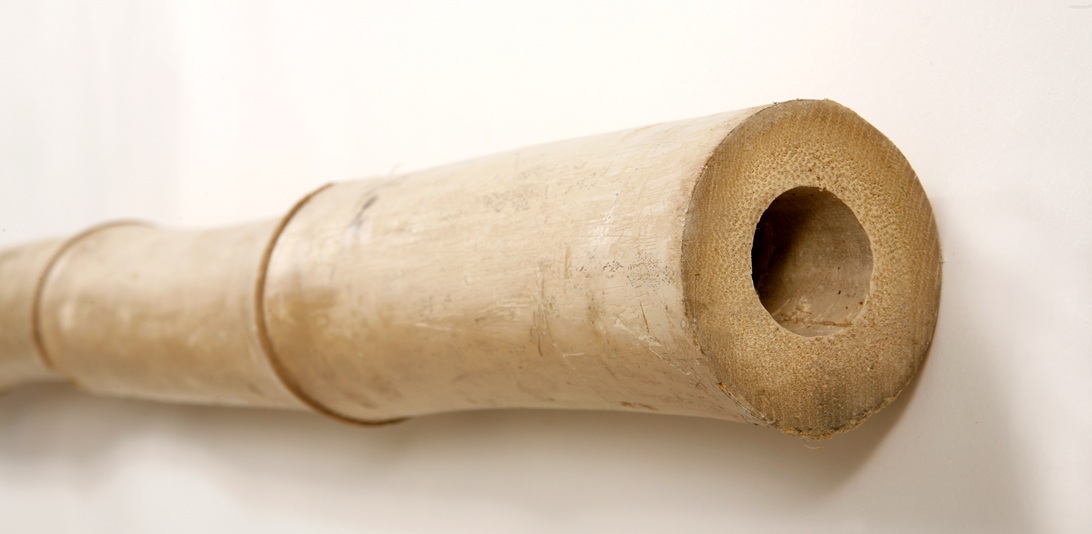
If your project involves large diameter bamboo poles, confirm whether wall thickness affects coating absorption rates or end-sealing requirements—heavier poles can behave differently under thermal cycling than smaller-diameter material.
Clear answers improve spec language and reduce closeout disputes.
Bottom line
Bamboo poles UV protection is not a single product decision—it is a lifecycle strategy. The teams that get the best long-term results combine proper material selection, UV-capable coatings, disciplined field application, and scheduled maintenance. For commercial environments, that approach protects both visual quality and asset performance over time.
Tristan Ishtar
VP of Sales
With over 11 years at amaZulu, Tristan brings deep expertise in tropical building materials and a customer-focused approach. He serves as a trusted consultant for architects and designers, providing expert guidance without high-pressure sales.