
Tristan Ishtar
VP of Sales
Resorts and theme parks face unique challenges when incorporating bamboo poles into their designs. Unlike residential projects where replacement cycles and maintenance can be managed informally, commercial properties demand materials that deliver consistent appearance, withstand heavy guest traffic, meet strict building codes, and maintain visual appeal for years.
Knowing the design considerations specific to hospitality and entertainment environments helps you create immersive tropical experiences that satisfy both creative vision and operational realities.
Why Resorts and Theme Parks Choose Bamboo Poles
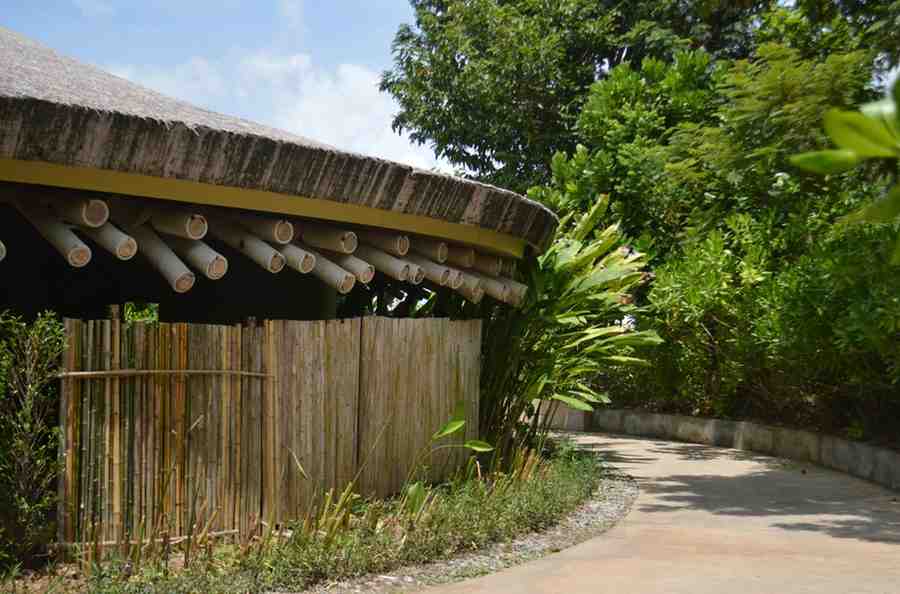
Bamboo poles have become indispensable materials for creating the immersive tropical environments that define successful resort and theme park experiences. The natural aesthetic transports guests to exotic locales, enhancing the escapism that drives visitor satisfaction and encourages return visits.
Authenticity matters enormously in themed entertainment. Guests increasingly recognize artificial materials and dismiss spaces that feel fake or cheap. Natural bamboo provides the genuine tropical character that creates believable environments, whether you’re theming a Caribbean resort or an Asian adventure attraction. The organic variations in color, node placement, and diameter ensure installations look natural rather than manufactured.
Budget considerations make bamboo attractive for large-scale installations requiring hundreds or thousands of poles. Bamboo delivers tropical aesthetics at a fraction of exotic hardwood costs while offering superior sustainability credentials that support corporate environmental initiatives.
Critical Design Considerations for Commercial Applications
Commercial bamboo installations demand different thinking than residential projects. Several factors unique to resort and theme park environments must inform material selection and design decisions.
Guest Safety and Durability
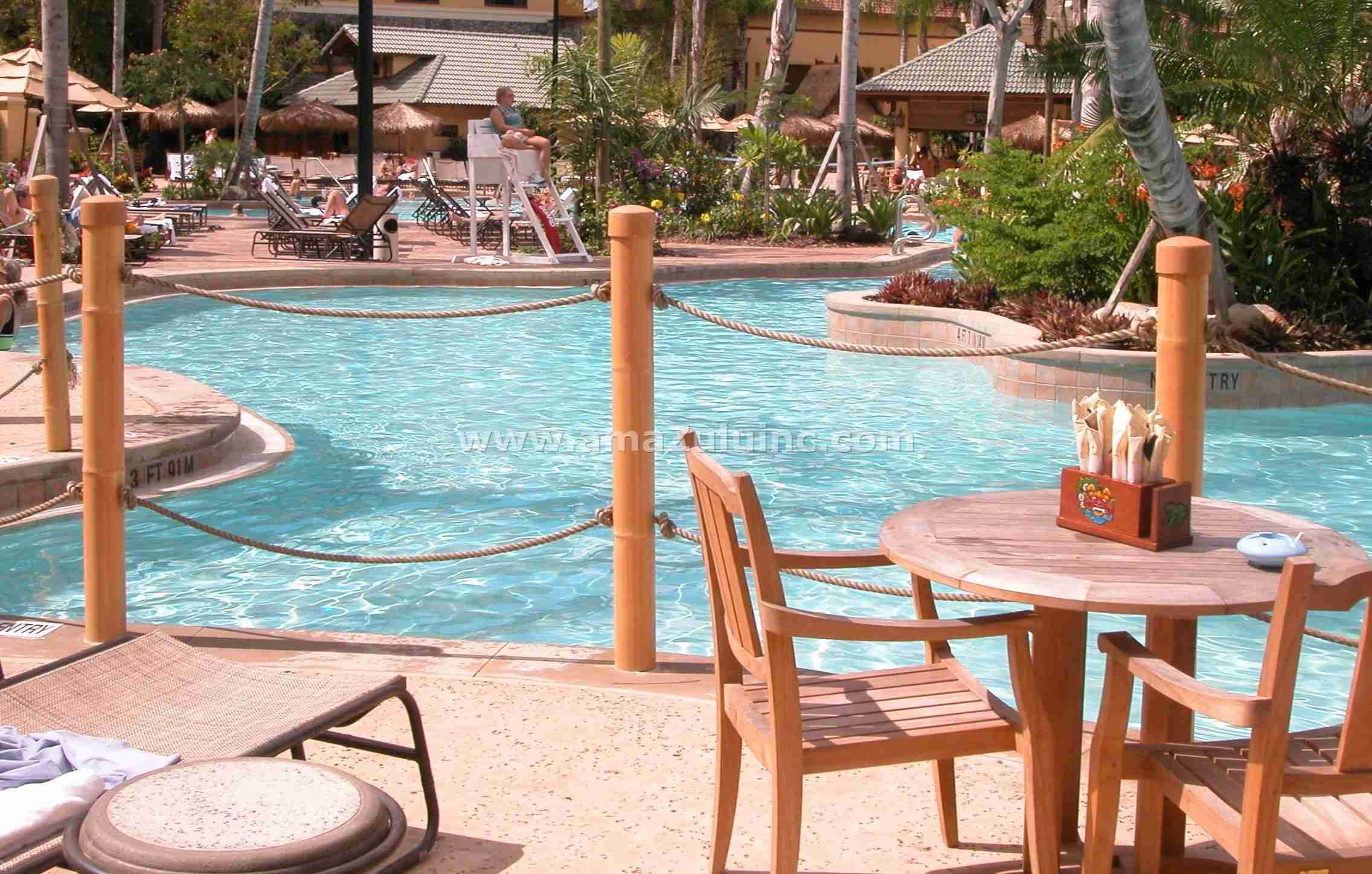
Resort and theme park environments subject materials to constant use that quickly reveals weaknesses. Queue lines experience thousands of guests daily leaning against railings. Pool deck structures endure wet conditions, sunscreen residue, and physical contact. Restaurant installations face cleaning chemicals and high-traffic wear patterns.
Bamboo specifications must account for these demanding conditions:
- Structural species with thick walls resist physical impacts
- Proper treatment prevents decay under heavy moisture exposure
- Hardware selection ensures connections withstand stress
- Smooth surfaces prevent splinters and guest injuries
Underspecifying materials for commercial applications leads to premature failures that create safety hazards and expensive emergency replacements.
Building Code Compliance
Commercial construction faces far more rigorous code requirements than residential work. Fire safety regulations often mandate flame-spread ratings that natural untreated bamboo cannot meet. Structural applications may require engineered drawings stamped by licensed professionals.
Fire-retardant bamboo becomes essential rather than optional for most resort and theme park applications. Class A fire ratings satisfy building departments while allowing natural materials in locations where codes might otherwise restrict them.
Work with building officials early in design development to understand applicable codes and acceptance criteria for bamboo structures. Some jurisdictions readily approve treated structural bamboo while others require additional documentation.
Maintenance and Long-Term Durability
Resort and theme park operations rarely allow extended closures for maintenance. Design bamboo installations with maintenance access, treatment schedules, and eventual replacement in mind from the beginning.
Natural Treated Bamboo:
- Requires periodic sealing every 2-3 years
- Eventual replacement after 8-15 years depending on exposure
- Lower initial costs but ongoing expenses
Synthetic Bamboo Alternatives:
- Zero maintenance beyond occasional cleaning
- 10+ year warranties with decades-long lifespan
- Higher initial investment but lowest total cost of ownership
- Ideal for difficult-access locations
Position critical structural bamboo where maintenance teams can access it easily. Decorative bamboo in highly visible guest areas justifies more frequent attention.
Species Selection for Commercial Projects
The bamboo species you specify directly impacts performance, longevity, and maintenance requirements in commercial applications.
Structural Applications
Load-bearing pergolas, shade structures, and architectural frameworks require structural bamboo species:
- Tre-Gai Bamboo: Large diameters (2-4+ inches) with pronounced rustic nodes, perfect for resort entrance features
- Solid Bamboo: Dense construction with 60-99% wall thickness, reliable for bars, fencing, and ceiling treatments
- Guadua Bamboo: Among the strongest species available, ideal when building officials question bamboo’s adequacy
Decorative Applications
Protected interior spaces and non-structural elements can utilize less expensive species:
- Tonkin Bamboo: Uniform appearance, cost-effective for large-coverage applications, suitable only for climate-controlled indoor environments
Many projects strategically combine species, using structural grades where strength matters and decorative varieties where appearance alone drives selection.
Synthetic Options for Extreme Conditions
Water park splash zones, areas with constant chlorine exposure, and coastal installations face conditions that destroy natural bamboo quickly. Synthetic bamboo poles made from nylon polyamide or HDPE offer solutions:
- Complete moisture immunity for water features
- Fire-retardant properties meeting commercial codes
- UV resistance preventing fading
- Zero maintenance requirements
- 10-year warranties
For theme park water features or resort pool areas, synthetic bamboo often proves more economical despite higher initial costs.
Design Strategies for Immersive Environments
Effective bamboo use in resort and theme park settings goes beyond simply installing poles. Strategic design decisions create the immersive experiences that distinguish memorable properties.
Creating Visual Hierarchy
Use large diameter bamboo (3-4+ inches) at entrances and signature locations where dramatic presence justifies premium costs. These statement pieces establish tropical character immediately and create Instagram-worthy moments.
Transition to medium diameters (2-3 inches) for secondary structural elements throughout properties. Small diameter poles (1-1.5 inches) add detail and texture for refined finishing touches.
Integrating with Other Tropical Materials
Bamboo poles rarely exist in isolation within successful designs:
- Thatch roofing over bamboo frameworks for classic tiki structures
- Eucalyptus poles mixed with bamboo for textural variation
- Natural stone combined with bamboo for coastal themes
- Tropical hardwood decking beneath bamboo shade structures
Maintain bamboo’s prominence while allowing other materials to support rather than compete.
Balancing Authenticity with Durability
Pure authenticity often conflicts with operational realities. Successful resort and theme park designs balance authentic appearance with practical durability:
- Use natural bamboo in protected, highly visible areas with easy maintenance access
- Specify synthetic bamboo in challenging locations where replacement would be difficult
- Combine natural bamboo facades with hidden structural frameworks when necessary
- Accept aesthetic compromise in secondary areas to focus budgets on high-impact locations
Installation and Operational Considerations
Commercial bamboo installations involve complexities that residential projects rarely encounter.
Coordination with Construction
Commercial construction involves multiple trades working simultaneously on compressed schedules. Bamboo installation must coordinate with electrical, plumbing, roofing, and other systems. Specify bamboo in construction documents with sufficient detail including species, diameters, treatment specifications, and installation methods.
Phased Construction and Material Matching
Large developments often unfold across multiple phases spanning months or years. Natural bamboo varies in color between harvest batches, creating matching challenges:
- Order complete quantities from single batches when possible
- Have suppliers warehouse matched materials for staged deliveries
- Reserve extra poles for future repairs
- Consider synthetic bamboo for expansion phases
Maintenance Protocols
Establish clear maintenance schedules that facility staff can execute consistently. Natural bamboo in outdoor applications benefits from weather sealing every 2-3 years. Train maintenance teams on proper bamboo care including appropriate cleaning products and inspection criteria.
Budget for partial replacements annually rather than waiting for complete failure. Proactive replacement maintains appearance while avoiding guest impact from major renovation projects.
Procurement for Commercial Projects
Resort and theme park bamboo purchases require professional supplier relationships that deliver quality, reliability, and ongoing support.
Choose suppliers with proven track records supplying major hospitality clients and theme park operators. These specialists understand commercial requirements including code compliance, documentation needs, volume pricing, and staged delivery coordination.
Lead Time Planning:
- Standard bamboo: 1-2 weeks
- Custom specifications: 4-6 weeks additional
- Container-direct orders: Plan 2-3 months ahead
Commercial quantities qualify for substantial volume discounts. Work with suppliers early in planning to lock in costs during budgeting and ensure adequate lead times.
Creating Lasting Impressions
Bamboo poles offer resort and theme park designers unmatched opportunities to create immersive tropical environments that delight guests and drive business success. Strategic species selection, appropriate treatment specifications, and thoughtful design decisions ensure bamboo installations deliver both immediate visual impact and long-term operational value.
Ready to incorporate bamboo poles into your resort or theme park project? Contact amaZulu at (877) 243-5309 or email [email protected] for expert guidance on species selection, fire-retardant options, and volume pricing for commercial hospitality applications.
Tristan Ishtar
VP of Sales
With over 11 years at amaZulu, Tristan brings deep expertise in tropical building materials and a customer-focused approach. He serves as a trusted consultant for architects and designers, providing expert guidance without high-pressure sales.