

Tristan Ishtar
VP of Sales
“Can we use the same bamboo poles everywhere?” It is one of the most common questions in tropical-themed projects. The short answer is usually no. Fencing and structural assemblies have different performance demands, and treating them as interchangeable creates risk.
This guide explains bamboo poles for fencing versus structural applications. You will learn how requirements differ, where synthetic and natural options fit, and what specification checkpoints protect safety, appearance, and lifecycle value.
Why Fencing Requirements Differ From Structural Requirements
Fencing is typically a boundary or privacy system. It must resist weather, movement, and regular contact, but it is not usually carrying primary building loads. Structural elements, by contrast, transfer meaningful loads and require material behavior that supports engineered connections.
amaZulu source interviews highlight this distinction by noting that only certain natural structural species should be used when true structural performance is needed. For a breakdown of how species and wall density affect load-bearing suitability, amaZulu’s guide on structural bamboo poles covers the key material requirements before spec is finalized.
Fencing: What Matters Most
- Visual consistency across long runs
- Durability in weather and irrigation exposure
- Repair simplicity for isolated damage
- Budget control for large linear footage
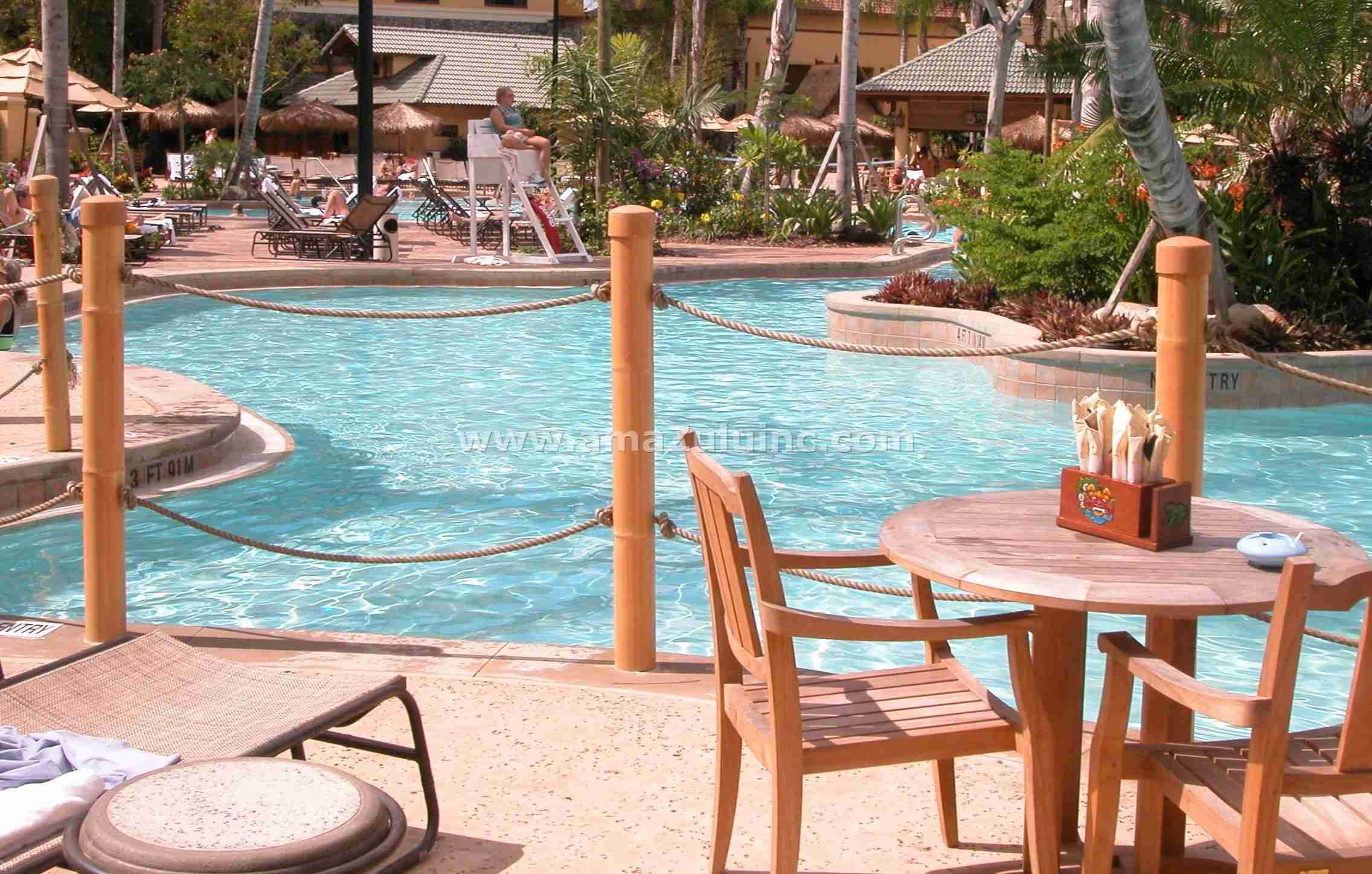
Natural fencing can work when maintenance is planned. Synthetic options are often selected when moisture exposure is high or operations teams need reduced upkeep. amaZulu’s bamboo fencing resource covers product options and detailing considerations for both natural and synthetic fence applications across commercial properties.
Structural Applications: What Matters Most
Species Suitability and Wall Density
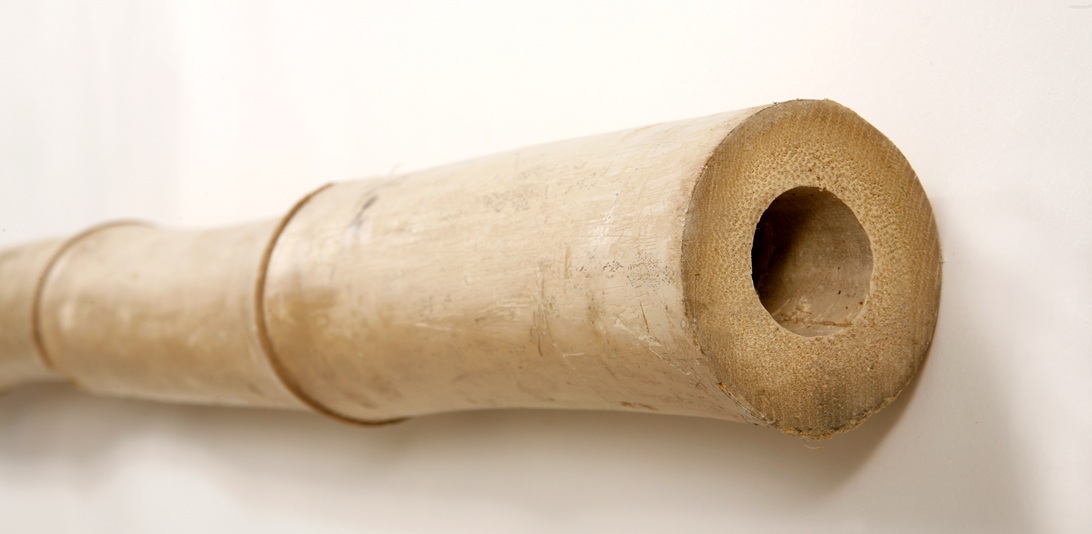
Structural use requires material that can accept drilling, fastening, and reinforcement without excessive splitting. The bamboo poles comparison guide outlines how Tre Gai, Guadua, solid bamboo, and Tonkin differ in the wall density and fiber characteristics that matter most for structural roles.
Connection Engineering
Joint design, load transfer, and reinforcement details often control real-world performance. The Institution of Civil Engineers notes that bamboo’s structural viability in commercial applications depends heavily on connection detailing and species verification, not pole size alone.
Moisture and Protection Strategy
Outdoor structural bamboo still needs detailing that limits water entrapment and accelerates drainage.
Inspection and Maintenance Protocol
Load-bearing systems need defined inspection intervals and documented maintenance actions.
Scenario: One Property, Two Bamboo Systems
A destination venue installs perimeter fencing and a bamboo-themed shade structure. The fence zones near irrigation are specified with synthetic bamboo poles to reduce weather-related replacements. The shade structure uses verified structural natural species with engineered connections and moisture-control detailing.
The result is a practical hybrid: each area gets the material that best fits its role.
Quick takeaway: match bamboo type to function, not to visual preference alone.
Common Mistakes When Teams Blur Fencing and Structure
- Using decorative poles in load-bearing assemblies.
- Assuming fence-grade detailing is adequate for structure.
- Applying one maintenance schedule to all bamboo zones.
- Evaluating options by purchase price only.
These mistakes are avoidable with role-based specifications. This Old House reinforces that moisture management and proper detailing at connection points are the most common failure points in outdoor natural material assemblies — a principle that applies directly to bamboo structural and fencing systems alike.
A Simple Decision Framework
- Label every bamboo element as decorative fence, screen, or structural.
- Define exposure severity and maintenance capacity by zone.
- Confirm material family and species for each role.
- Coordinate connection details with installation methods.
- Build mockups for both visual and constructability review.
This framework keeps procurement aligned with engineering and operations. For teams managing bamboo poles for commercial construction across multiple zones, role-based labeling from the outset is the single most effective way to avoid late-stage substitutions and field improvisation.
Mini FAQ
Can fencing bamboo become structural if diameter is increased? Not reliably. Structural suitability depends on species and connection design, not diameter alone.
Is synthetic bamboo acceptable for fencing? Yes, especially where weather resistance and low maintenance are priorities.
Should structural bamboo always be natural? Structural systems should follow engineered material selection. In many themed projects, natural structural species are used for that role.
Function First, Material Second
Choosing bamboo poles for fencing versus structural applications starts with one rule: function drives specification. When teams separate requirements early, they avoid unsafe substitutions, reduce maintenance surprises, and preserve design quality. For commercial tropical builds, a zone-based approach delivers stronger long-term results than one-size-fits-all procurement.
Tristan Ishtar
VP of Sales
With over 11 years at amaZulu, Tristan brings deep expertise in tropical building materials and a customer-focused approach. He serves as a trusted consultant for architects and designers, providing expert guidance without high-pressure sales.