
Tristan Ishtar
VP of Sales
Bamboo poles have officially outgrown the “backyard tiki bar” box. In commercial spaces—resorts, attractions, restaurants, zoos, water parks, and themed environments—bamboo can be a serious placemaking tool. But only if it’s treated like a finish system with real performance requirements, not a decorative afterthought. Because in commercial work, “decorative” still touches code review, owner expectations, and lifecycle cost.
Start with one simple question: What job is this bamboo doing?
Before you pick species, diameter, or finish, define the function. Bamboo used as:
- ceiling treatment
- wall or feature cladding
- screen/partition
- shade or pergola element
- wayfinding/accent structure
…each has a different risk profile, attachment strategy, and maintenance burden.
A practical shortcut: if people will touch it, lean on it, bump into it, or drag luggage past it—treat it like a high-wear finish and spec accordingly. For a broader look at how bamboo poles are used in commercial construction, including structural vs. decorative applications, it’s worth reviewing what different product grades are built to handle before finalizing scope.
The exposure map is the real spec
Most commercial bamboo failures aren’t “bamboo problems.” They’re exposure problems—someone specified a “natural look” without mapping real conditions. Instead of “interior vs exterior,” break the project into zones:
- interior, conditioned
- covered exterior
- fully exposed exterior
- high humidity / splash / coastal zones
- high-touch public interaction areas
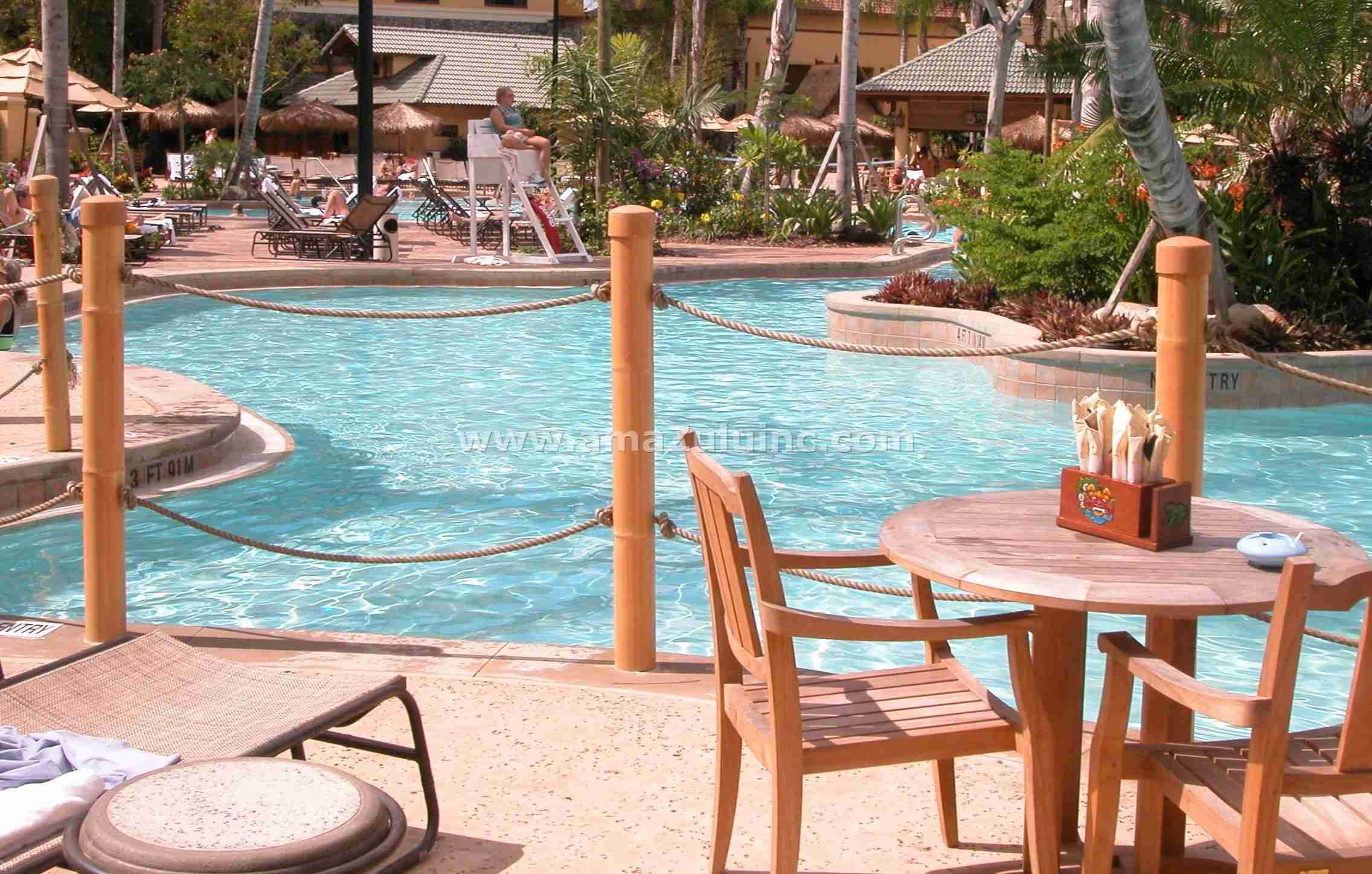
Once you map zones, the right approach becomes obvious. Many projects do best with a hybrid strategy: natural bamboo where protected, synthetic bamboo poles where exposure or abuse resistance is severe. One blunt reality: constant outdoor exposure accelerates deterioration for natural bamboo, especially where moisture is persistent.
Natural vs. synthetic isn’t a values debate. It’s a performance decision.
Natural bamboo can be an excellent choice—especially indoors or in protected areas. But it isn’t one thing. Use the right category for the job:
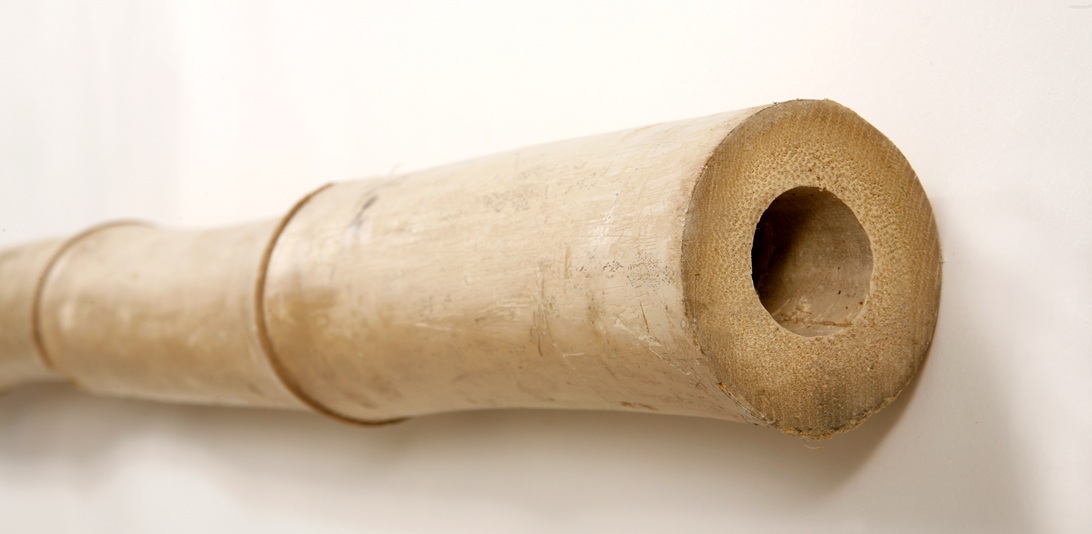
- Structural-grade natural bamboo (solid bamboo, Tre-Gai, Guadua) where strength or structural behavior matters
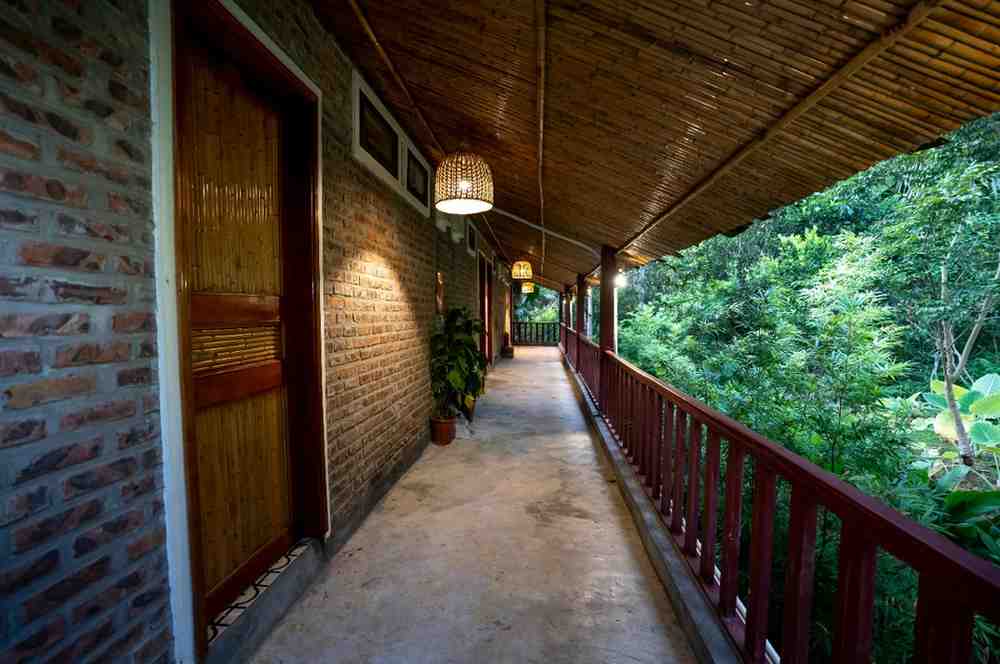
- Decorative natural bamboo (like Tonkin) where it’s truly aesthetic and protected
Synthetic bamboo earns its place when you need:
- stronger fire-retardant options for commercial environments
- reliable UV resistance and predictable appearance
- lower maintenance and a longer lifecycle
- confidence in fully exposed exterior zones or abuse-heavy areas
Think of it this way: natural bamboo is often the right choice when the environment is controlled. Synthetic often wins when the environment is not.
Write specs that a GC can actually build from
Vague language causes substitutions, install inconsistencies, and post-install disputes. Unclear or inconsistent specifications can lead to disagreements between parties over what was actually required—ambiguity in spec language is one of the most common sources of construction disputes.
Instead of “contractor to provide weatherproof finish,” write installable specs that cover:
- acceptable product types and quality grades
- diameter tolerances and straightness expectations
- finish/treatment requirements by zone
- approved fasteners, substrates, and connection concepts
- sealing requirements for cut ends and penetrations
- maintenance and recoat obligations in turnover documents
If you want fewer surprises, make the intent unmissable. This is especially true when lashing or connecting bamboo poles in feature assemblies—connection details that aren’t specified tend to get improvised in the field.
Code and fire documentation: treat it like a submittal package, not a story
Commercial permitting often hinges on submitted documentation more than narratives. Coordinate early to collect and confirm:
- fire-performance test documents when applicable
- product data tied to exact SKUs and finish systems
- installation methods aligned to tested conditions
- any limitations by occupancy type or exterior exposure
Get this package in front of code consultants and AHJs early. Late-stage compliance surprises are one of the most common schedule killers. For more detail on what that documentation trail should include, the bamboo poles fire rating guide covers what test standards, product-specific documentation, and AHJ submission strategies typically look like for commercial projects.
The quiet detail that prevents a lot of failures: water management
A surprising amount of bamboo deterioration begins at ends and attachment points. If natural bamboo is in any outdoor or semi-outdoor condition, detailing matters:
- cut at nodes to reduce water collecting inside hollow stems
- keep bamboo off the ground (even a couple inches helps)
- seal cut ends and penetrations as a defined requirement
- assume movement and moisture cycling will happen and detail accordingly
If the design includes constant water exposure (water features, splash zones), natural bamboo is usually the wrong material choice. That’s where synthetic solutions are often the safer call. For projects that do incorporate bamboo in water feature designs, detailing for drainage and end sealing is especially critical.
Procurement is not “later.” It’s critical path.
Bamboo sourcing can be smooth—or it can quietly wreck your schedule if you treat it like a last-minute finish. Reduce risk by confirming:
- inventory depth for the diameters and lengths you’re selecting
- acceptable natural variation and batch consistency expectations
- shipping and staging requirements (long poles, fragile finishes)
- replacement strategy for future repairs or additions
- for multi-phase builds: reserving material lots when possible
Also, if the project needs bulk quantities, pricing and lead times may shift based on whether you’re buying dozens versus hundreds or thousands.
Have the maintenance conversation before the owner asks
Owners don’t hate maintenance. They hate surprise maintenance. So make it plain in closeout docs:
- inspection frequency and cleaning protocol
- refinish triggers and realistic interval ranges
- components most likely to need early touch-up
- responsibility matrix (owner vs facilities vendor)
Maintenance planning is what keeps bamboo looking “premium” after the novelty wears off.
The most common mistake (and the easiest one to avoid)
Treating bamboo as “decor only” and excluding it from technical coordination. Even when bamboo is purely aesthetic, it still affects code review, safety perception, warranty scope, installation responsibility, and lifecycle cost. Good specs build quality into every work package on a project—they provide the explicit instructions that guide contractors’ work and the parameters stakeholders use to check built work against during inspections. The same principle applies directly to bamboo finish systems: if the spec doesn’t define it, the field will improvise it.
Bottom line
Bamboo poles for commercial construction can deliver standout design value—when they’re specified like high-performance finish systems, not just visual accents. Do three things early—map exposure zones, lock down documentation, and detail connections for moisture and movement—and bamboo goes from “cool concept” to a durable, buildable result.
Tristan Ishtar
VP of Sales
With over 11 years at amaZulu, Tristan brings deep expertise in tropical building materials and a customer-focused approach. He serves as a trusted consultant for architects and designers, providing expert guidance without high-pressure sales.