
Tristan Ishtar
VP of Sales
When a project calls for bamboo, teams often ask for a diameter first. That is a start, but diameter alone does not define performance. Strength depends on species, wall thickness, moisture condition, connection detail, and how loads move through the assembly.
This technical guide explains bamboo poles strength with field-focused decision rules. You will see how species and diameter work together, what to check before design signoff, and how to avoid the common mismatch between decorative bamboo and structural intent.
Strength Is a System, Not a Single Number
In engineered work, poles do not fail only because they are “too small.” They fail when load path, connection method, and material behavior are misaligned. A larger-diameter pole with thin walls may still underperform compared with a smaller pole of dense structural species.
amaZulu interview content highlights this distinction directly: structural assemblies require specific bamboo species with dense walls; thin-walled decorative poles are more likely to split or fray when drilled and fastened like lumber. For a deeper look at how species stack up, the bamboo poles comparison guide covers Tre Gai, solid bamboo, Guadua, and Tonkin side by side.
Species-Level Differences That Affect Strength Behavior
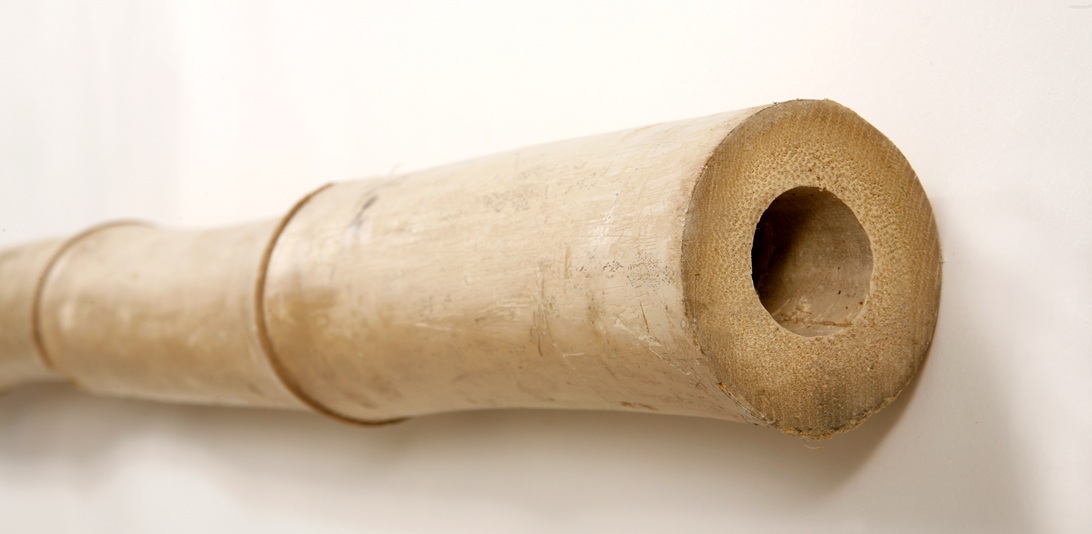
- Wall thickness: Thicker walls generally improve fastener performance and resistance to local crushing.
- Fiber density: Denser culms tend to carry load more reliably.
- Straightness and taper: Greater consistency simplifies fit-up and reduces eccentric loading.
- Node distribution: Node spacing can influence local behavior and cutting strategy.
Species screening should occur before detailing joints. The Institution of Civil Engineers notes that bamboo’s compressive and tensile properties vary significantly by species and processing method, making early material verification essential in commercial structural applications.
How Diameter Changes Performance in Real Applications
Diameter affects stiffness, connection geometry, and visual scale. But the relationship is not linear in field conditions because wall thickness and node location vary. For a full breakdown of size ranges and their typical applications, amaZulu’s bamboo pole diameters guide is a useful reference before spec is finalized.
Small Diameters
Useful for light decorative roles and screens. Not ideal for high-load spans unless engineered with appropriate species and details.
Mid-Range Diameters
Common for pergolas, rails, and medium-duty visual structures where both look and moderate performance matter.
Large Diameters
Often selected for signature columns and high-impact themed elements. Require careful handling, freight planning, and connection design. amaZulu’s resource on large diameter bamboo poles covers procurement considerations specific to oversized commercial applications.
Connection Design Often Controls True Capacity
A short scenario: a team upgrades pole diameter but keeps the same poorly detailed bolted joint. The assembly still performs badly because splitting starts at the connection zone. Another team keeps moderate diameter but uses proper reinforcement and drilling practice for a structural species; performance improves.
Quick takeaway: if joints are weak, bigger poles alone will not solve the problem.
Practical Evaluation Checklist Before Procurement
- Classify each member as structural or decorative.
- Confirm species suitability for planned load role.
- Verify target diameter range and wall condition.
- Review drilling, bolting, and reinforcement details.
- Validate moisture exposure and protection strategy.
- Build and test a representative mockup when feasible.
Choosing Strength for Hospitality and Theme Environments
These projects often blend visible structure with immersive design. That makes it tempting to optimize for aesthetics first. A better approach is dual-criteria selection: performance baseline first, visual refinement second.
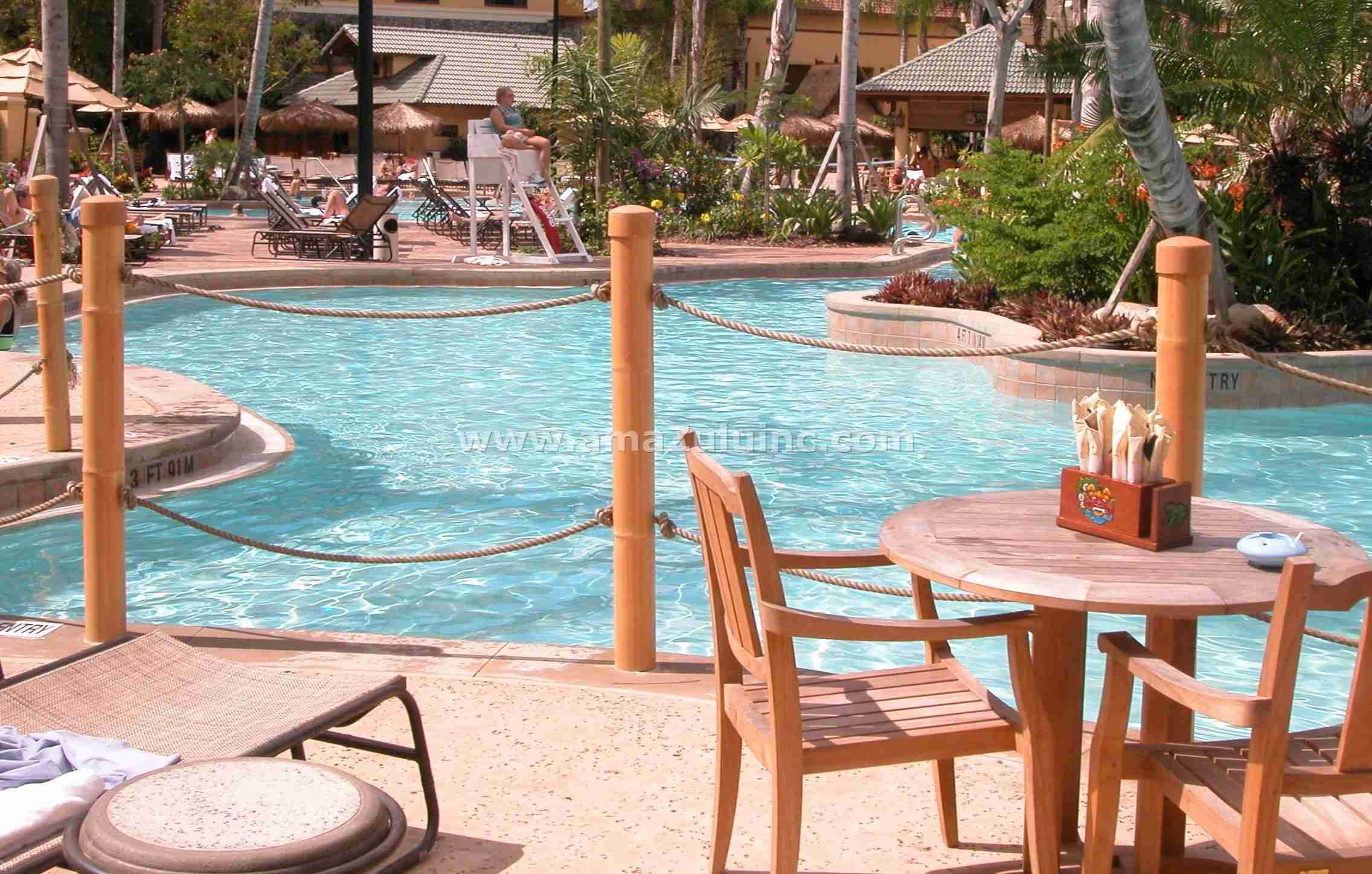
In owner meetings, translate technical choices into operational outcomes: less cracking, fewer closures for repairs, better long-term appearance, and lower emergency maintenance. Teams specifying bamboo poles for resorts and theme parks benefit most from locking down structural requirements before visual selections are finalized. Bluebeam’s construction blog reinforces that material validation against site-specific loads is a critical step that commercial teams often skip when working under schedule pressure.
Mini FAQ
Is thicker diameter always stronger? Not by itself. Species, wall thickness, and joint detail strongly influence final performance.
Can decorative bamboo be upgraded with heavier hardware? Hardware helps only when the base material can support it. Material suitability comes first.
Should synthetic bamboo be used structurally? Synthetic is generally chosen for decorative functions. Structural intent should use verified structural materials and engineering.
Specify Smart, Build Strong
Bamboo pole strength comes from the combination of species, diameter, and connection design, not one isolated spec. Teams that screen material correctly and detail joints carefully get safer, cleaner, and more durable results. For commercial projects, early collaboration between design, engineering, and supplier teams is the fastest path to reliable performance.
Tristan Ishtar
VP of Sales
With over 11 years at amaZulu, Tristan brings deep expertise in tropical building materials and a customer-focused approach. He serves as a trusted consultant for architects and designers, providing expert guidance without high-pressure sales.