

Tristan Ishtar
VP of Sales
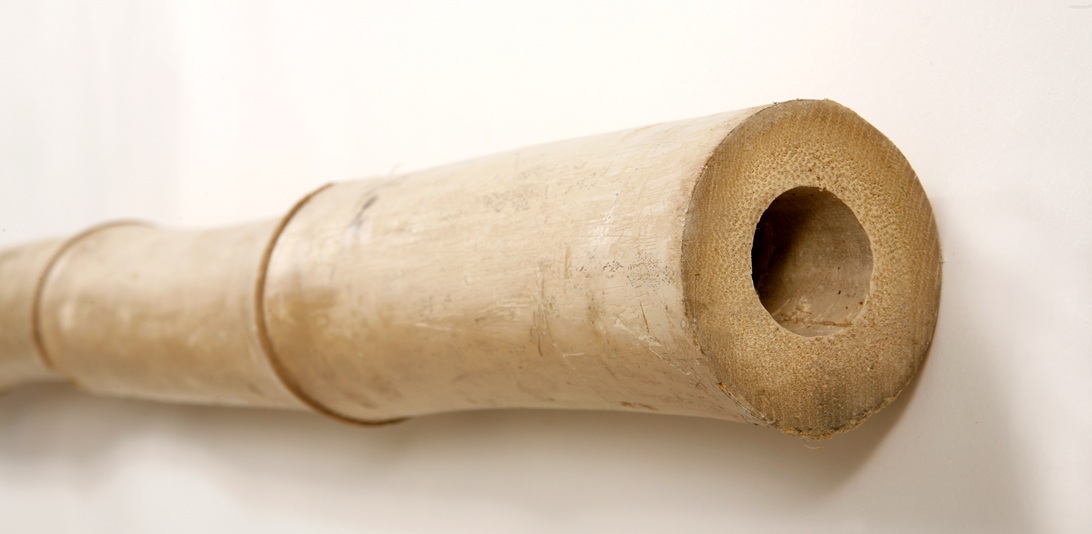
Diameter is often the first number people ask for when buying bamboo poles. It is visible, easy to compare, and simple to place on drawings. But choosing diameter by appearance alone can lead to weak connections, poor proportion, and avoidable field changes.
This guide covers bamboo pole diameter selection for construction projects. You will learn how application type, load expectations, connection details, and logistics should shape your diameter range before procurement begins.
Start With Role: Decorative, Screening, or Structural
Diameter targets should be different for each role. Decorative wraps and visual accents can prioritize appearance and proportion. Screening systems need stiffness and spacing logic across long runs. Structural members demand species suitability, wall condition, and engineered connection compatibility.
amaZulu interview material reinforces that structural use requires specific natural structural species, not generic decorative poles. For a full breakdown of how diameter interacts with species and wall density across roles, amaZulu’s bamboo pole diameters guide is the right reference before spec decisions are made.
Why Diameter Alone Is Not Enough
A larger outside diameter may still disappoint if wall thickness is low or connection detailing is poor. Conversely, a moderate diameter with dense wall structure and good joint design can perform very well.
This is why diameter should be selected as part of a full specification package: species, wall expectations, connection method, and exposure class. The bamboo pole strength guide covers how species, wall density, and connection design work together — and why diameter is only one part of a reliable performance spec.
Practical Diameter Selection Workflow
1) Define Loading and Exposure Assumptions
Identify whether the member carries load, where moisture is present, and how often maintenance will occur.
2) Set Visual Proportion Targets
Align diameter with viewing distance, nearby architecture, and thematic scale.
3) Confirm Connection Geometry
Bolts, straps, sleeves, and hidden supports each need minimum geometry clearances.
4) Test a Sample Range on Site
Field mockups reveal proportion and constructability faster than plan review alone.
5) Lock Zone-Specific Diameter Bands
Different areas usually need different diameter ranges. Avoid forcing one size across all zones. For projects with oversized feature elements, amaZulu’s large diameter bamboo poles resource covers the handling, freight, and connection considerations specific to bigger commercial applications.
Scenario: Fixing Diameter Mismatch Before Fabrication
A contractor plans one uniform diameter for columns, rail accents, and utility wraps. During coordination, the team sees that the chosen size looks oversized at rail height and underpowered visually at the entry portal. They revise to three diameter bands by zone.
The change improves both aesthetics and install efficiency while avoiding field cuts and last-minute substitutions.
Quick takeaway: diameter families usually outperform one-size specs.
Common Diameter Selection Errors
- Choosing diameter from photos without context scale.
- Ignoring attachment hardware requirements.
- Applying interior diameter choices to harsh exterior zones.
- Skipping mockups until after material release.
Each error increases rework probability. The Institution of Civil Engineers notes that bamboo’s structural behavior varies significantly by species and culm geometry, making early material validation essential before diameter selections are locked into construction documents.
Diameter Guidance by Application Type
For decorative cladding, prioritize proportion and seam control. For fencing, pair diameter with spacing, height, and wind behavior. For structural bamboo poles, coordinate diameter with engineering assumptions and species capability. For utility concealment, use diameters that sleeve or mask existing elements cleanly while preserving access.
This application-first method keeps design and field teams aligned.
Mini FAQ
Can I pick diameter first and species later? That sequence creates risk for structural and high-exposure areas. Material capability should be confirmed early.
Is larger diameter always more durable outdoors? Not necessarily. Outdoor longevity depends heavily on material type, detailing, and maintenance.
Should all elevations use the same diameter for consistency? Visual consistency can still be achieved with multiple diameter bands when transitions are planned carefully.
Get the Diameter Right, Get the Project Right
Strong bamboo pole diameter selection comes from matching diameter to function, load expectations, connection details, and zone-specific design goals. Teams that validate diameter choices with mockups and role-based specs reduce change orders and get cleaner final results. In commercial tropical projects, that discipline is one of the fastest ways to protect schedule, quality, and long-term performance.
Tristan Ishtar
VP of Sales
With over 11 years at amaZulu, Tristan brings deep expertise in tropical building materials and a customer-focused approach. He serves as a trusted consultant for architects and designers, providing expert guidance without high-pressure sales.