
Tristan Ishtar
VP of Sales
A lot of teams ask this like it’s a simple yes/no question: are bamboo poles structural?
The real answer is: some natural bamboo can be structural—if you choose the right material and engineer it like a structural system. Many “bamboo poles” sold for décor are not structural, and synthetic bamboo is decorative, not load-bearing.
If you’re working on a commercial project (hospitality, theme parks, resorts, public-facing builds), the safest approach is to separate structural bamboo from decorative bamboo early in design—then document it clearly so the wrong product doesn’t end up in a load path later.
1) Fast decision filter: Is it in a primary load path?
Before you compare diameter, finishes, or cost, answer one question:
Will this bamboo element carry load?
- Yes → treat it like any structural member: loads, connections, durability, engineering.
- No → treat it as theming/cladding: still detail it well, but it’s a different category of risk.
Examples of “structural” use cases: posts, beams, roof supports, canopies, guard systems, any element that affects life safety.
Quick takeaway: If failure could hurt someone or trigger a code issue, assume it’s structural until proven otherwise.
2) Structural suitability starts with the product type (not the label)
Not all bamboo poles are appropriate for load-bearing use. “Bamboo” is like “wood”—species and form matter.
More likely to be structural-capable (when engineered)
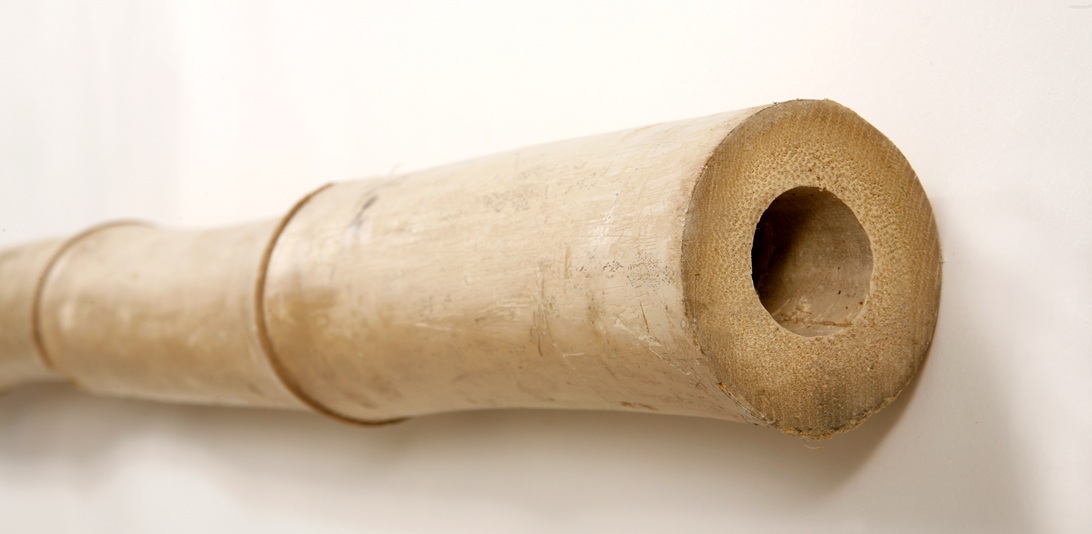
- Thick-walled, dense natural poles selected for strength-focused applications
- Larger-diameter natural poles appropriate to the span and load
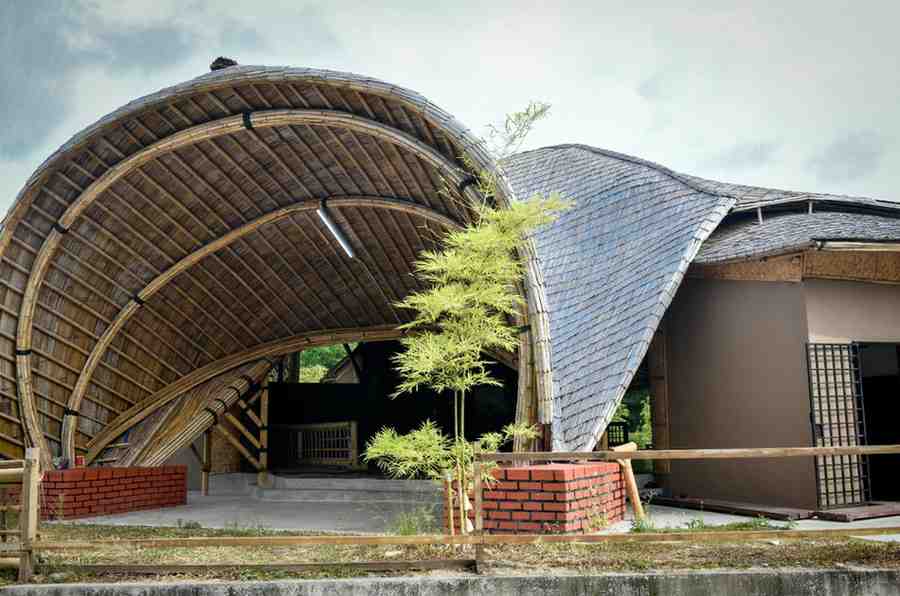
- Engineered bamboo systems designed and tested for code-compliant construction
Typically non-structural
- Lightweight decorative poles
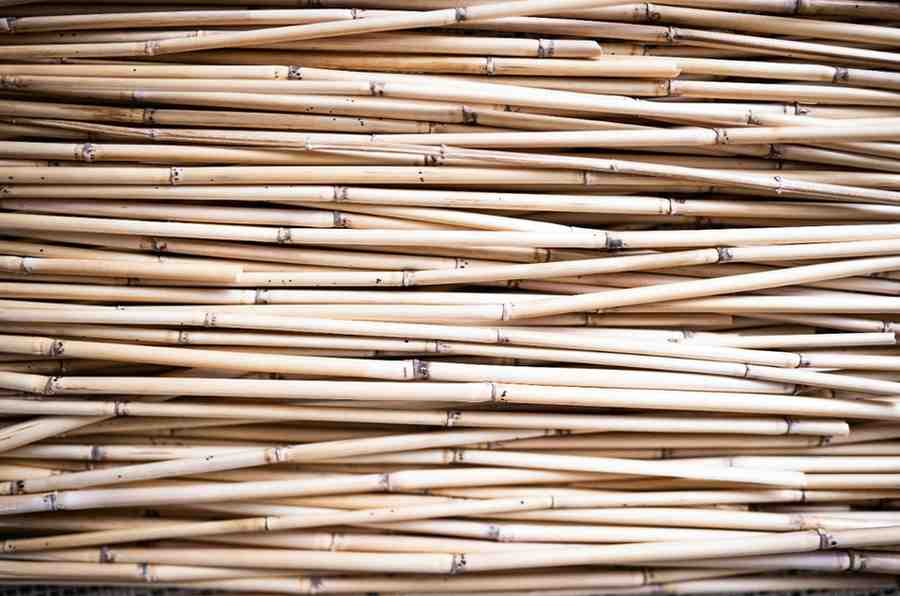
- Thin-walled poles intended for cladding, wraps, and visual columns
- Screening poles meant for privacy, fencing, or finish applications
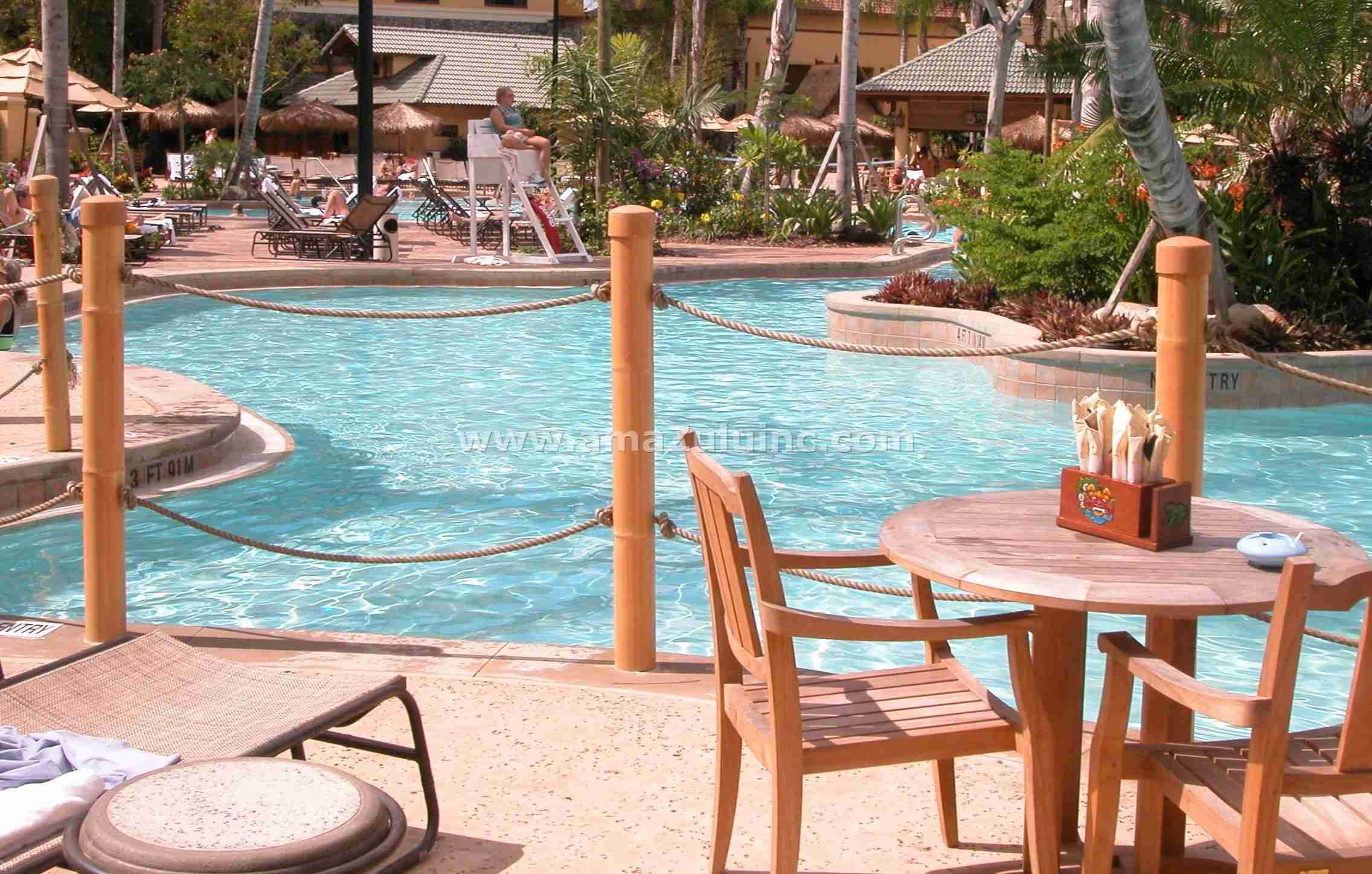
- Synthetic bamboo (useful for theming, not structural load paths)
Quick takeaway: When someone asks “are bamboo poles structural,” the best response is: some are, many are not—confirm the product’s intended engineering role first. Our bamboo pole selection guide can help clarify which products are appropriate for which applications.
3) Strength depends heavily on geometry and condition
Two poles can both be called “bamboo” and behave completely differently under load. Key variables include:
- Outside diameter
- Wall thickness and density
- Straightness and taper
- Node spacing and distribution
- Moisture condition at install
- Treatment quality
- Span length and how the member is braced
- Connection detailing (often the biggest factor)
Quick takeaway: Bigger isn’t always better, but thicker wall + better condition + better detailing usually wins. For a detailed look at how diameter affects performance, see our bamboo pole diameters guide.
4) Connections are where most failures happen
In bamboo assemblies, the weak point is often the joint—not mid-span. That makes fastening and connection design non-negotiable.
Common best practices
- Pre-drill before screws/bolts to reduce splitting
- Avoid edge-close fasteners (especially near the end of poles)
- Use hardware that spreads load (straps, saddles, clamps, plates) to reduce crushing and splitting
- Avoid “field-invented” connections on primary structural members
- Design for buildability (connections that can be consistently installed and inspected)
Why nodes matter
Nodes can influence strength and splitting behavior. In some connection strategies, placing fasteners relative to nodes can help—though the right move depends on the specific detail. For more on field best practices, see how to connect bamboo poles.
Quick takeaway: If the connection isn’t engineered, you don’t have a structural system—you have a liability.
5) Exposure and moisture control determine long-term reliability
Even if the bamboo is strong on day one, outdoor exposure can erode performance over time if you don’t detail for durability.
Commercial durability rules that matter
- Keep natural poles off direct ground contact
- Detail drainage so water doesn’t collect or sit against the pole
- Seal/treat appropriately for the climate and exposure
- Plan for inspection and replacement if the install is outdoors
- Avoid detailing that creates traps (caps, cavities, joints) where water can sit
If your design requires a bamboo look in a harsh environment (constant wetting, splash zones, high abuse areas), a non-structural decorative approach using synthetic or alternative materials may be the more reliable choice—while keeping real structural loads on conventional structural systems.
Quick takeaway: Structural bamboo can work—but it’s not “set it and forget it,” especially outdoors.
6) Engineering and code compliance aren’t optional
For commercial work, treat bamboo like any other structural material:
- Define design loads (dead, live, wind, seismic as required)
- Verify material properties from credible technical data
- Confirm connection capacity (often governing)
- Ensure drawings and calculations satisfy the local code authority
- Clearly label which elements are structural and which are decorative in the documents
Quick takeaway: If it’s structural, it needs engineering. If it’s decorative, label it as decorative so it doesn’t get misused in the field.
Practical decision framework
Use this checklist before you commit:
- Is this member in a primary load path?
- Is the bamboo product explicitly intended for structural use?
- Are the connections engineered and buildable?
- Can the project support inspection and maintenance over time?
- Will the local code authority accept the approach?
If any answer is unclear, revise the scope or material strategy before fabrication.
Final takeaway
So—are bamboo poles structural?
Yes, some natural bamboo can be structural when you use the right material, engineer the load paths, and detail the connections and durability correctly. The smartest move in commercial design is to separate structural intent from decorative intent early, then document both clearly so aesthetics and performance stay aligned. For more on how much weight a bamboo pole can hold in themed environments, that guide covers the key load considerations in detail.
Tristan Ishtar
VP of Sales
With over 11 years at amaZulu, Tristan brings deep expertise in tropical building materials and a customer-focused approach. He serves as a trusted consultant for architects and designers, providing expert guidance without high-pressure sales.