
Tristan Ishtar
VP of Sales
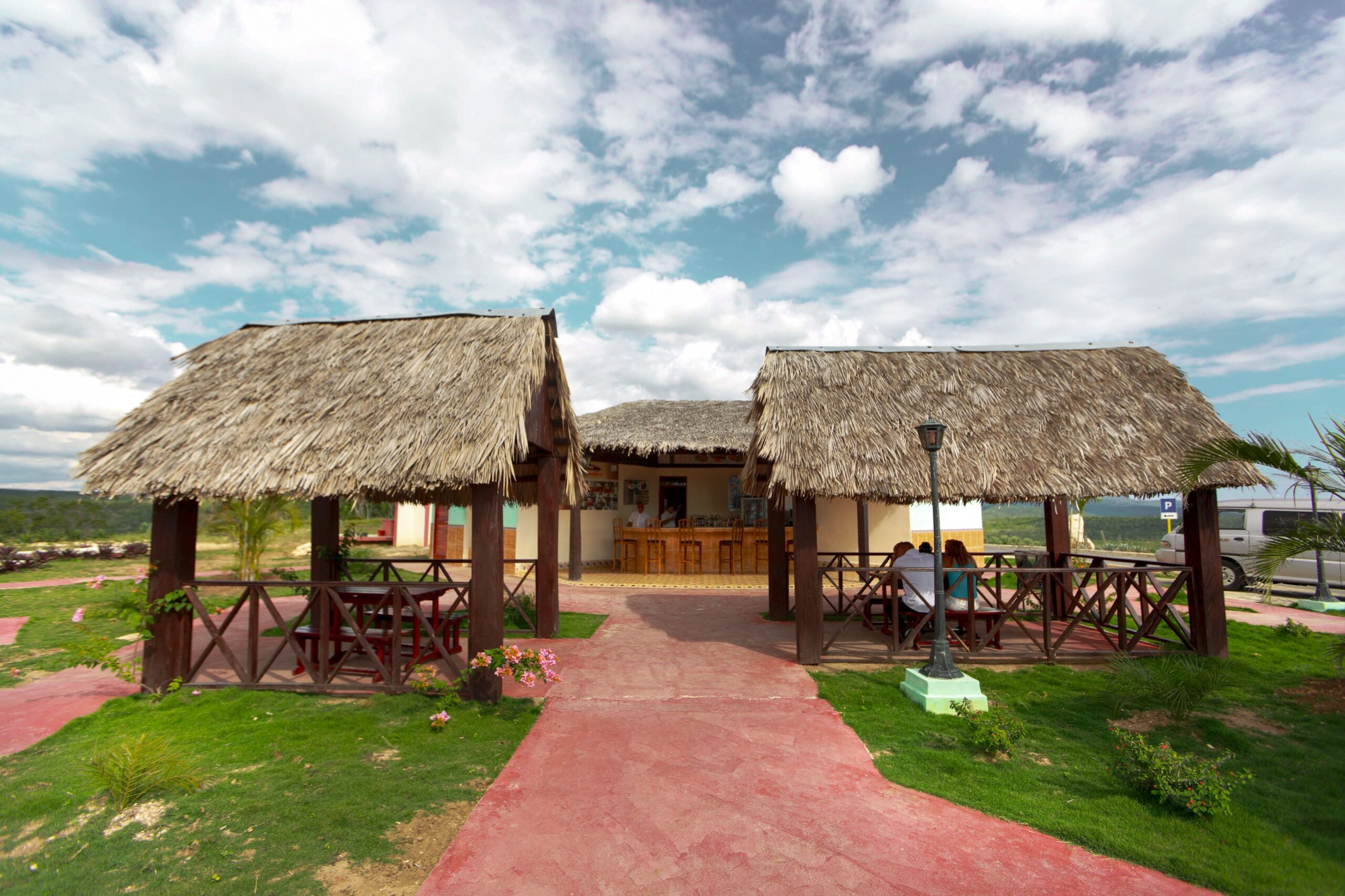
Good drainage and ventilation are two of the most important factors in helping a natural thatch roof last as long as possible.
Natural thatch is made from organic materials that need to dry after rain. If water becomes trapped or airflow is restricted, the thatch can stay damp, leading to faster wear and decay. With the right roof design and regular maintenance, you can improve both drainage and ventilation and help extend the life of your roof.
Start with the Right Roof Pitch
One of the best ways to improve drainage is to build a roof with a steep enough pitch.
A properly sloped roof allows rainwater to run off quickly instead of soaking into the thatch. When water drains efficiently, the roof dries faster and is less likely to develop moisture-related problems. Steeper roof angles help gravity pull moisture down and off the thatch rather than into it.
If the roof is too flat, water can collect or flow backward, increasing the chance of leaks and premature deterioration.
Allow Air to Flow Through the Thatch
Natural thatch performs best when air can circulate through it.
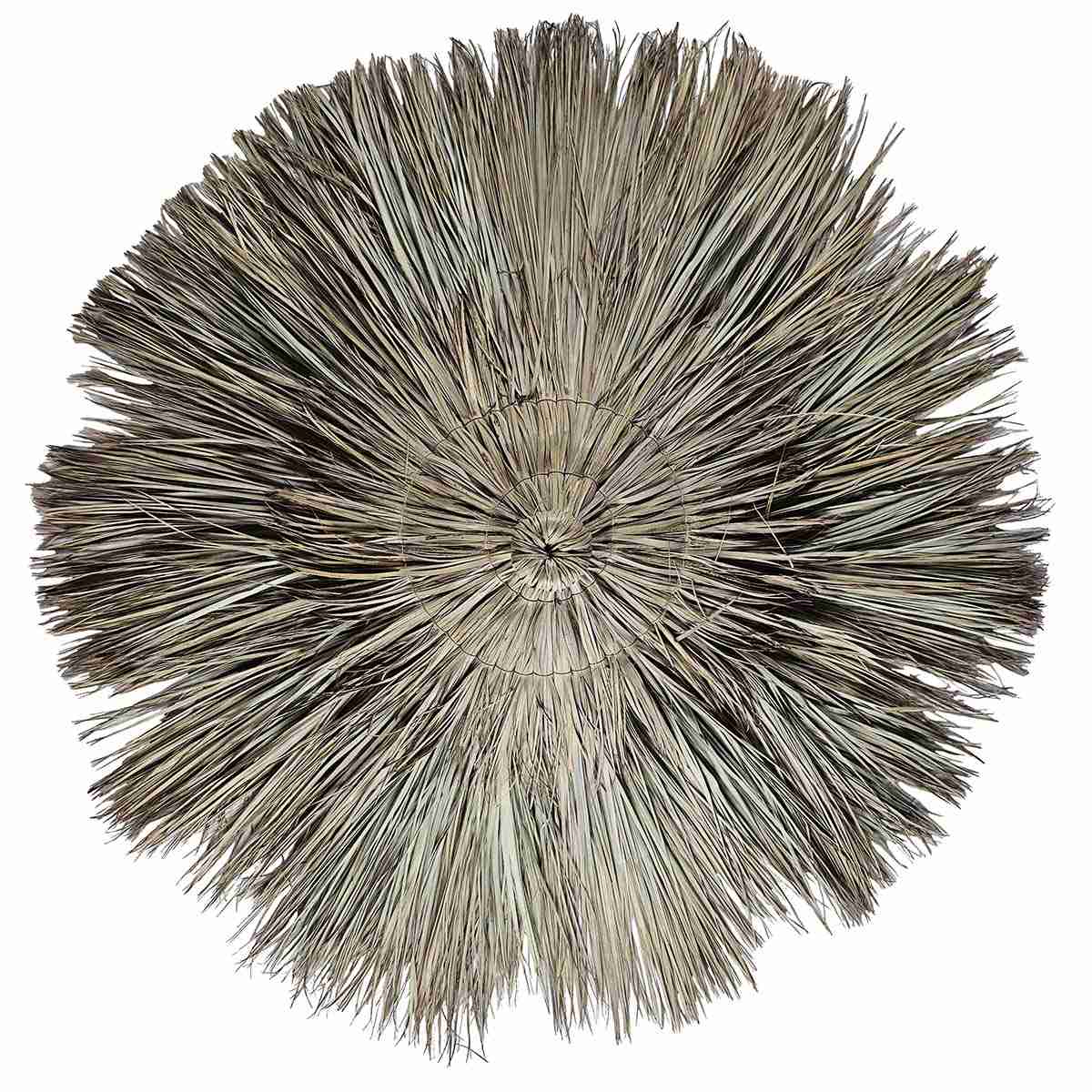
Good ventilation allows trapped moisture to evaporate after rain or periods of high humidity. This helps keep the roof dry and reduces the conditions that can lead to mold, mildew, or rot. Properly woven natural thatch materials breathe well and support this natural airflow
Avoid blocking airflow with unnecessary coverings or materials that trap moisture inside the roof
Keep the Roof Free of Debris
Leaves, branches, and other debris can trap water against the thatch.
Regularly removing debris allows rainwater to drain more easily and helps the roof dry more quickly after storms. Keeping the roof clean also makes it easier to spot areas that may need repair.
Repair Worn Areas Promptly
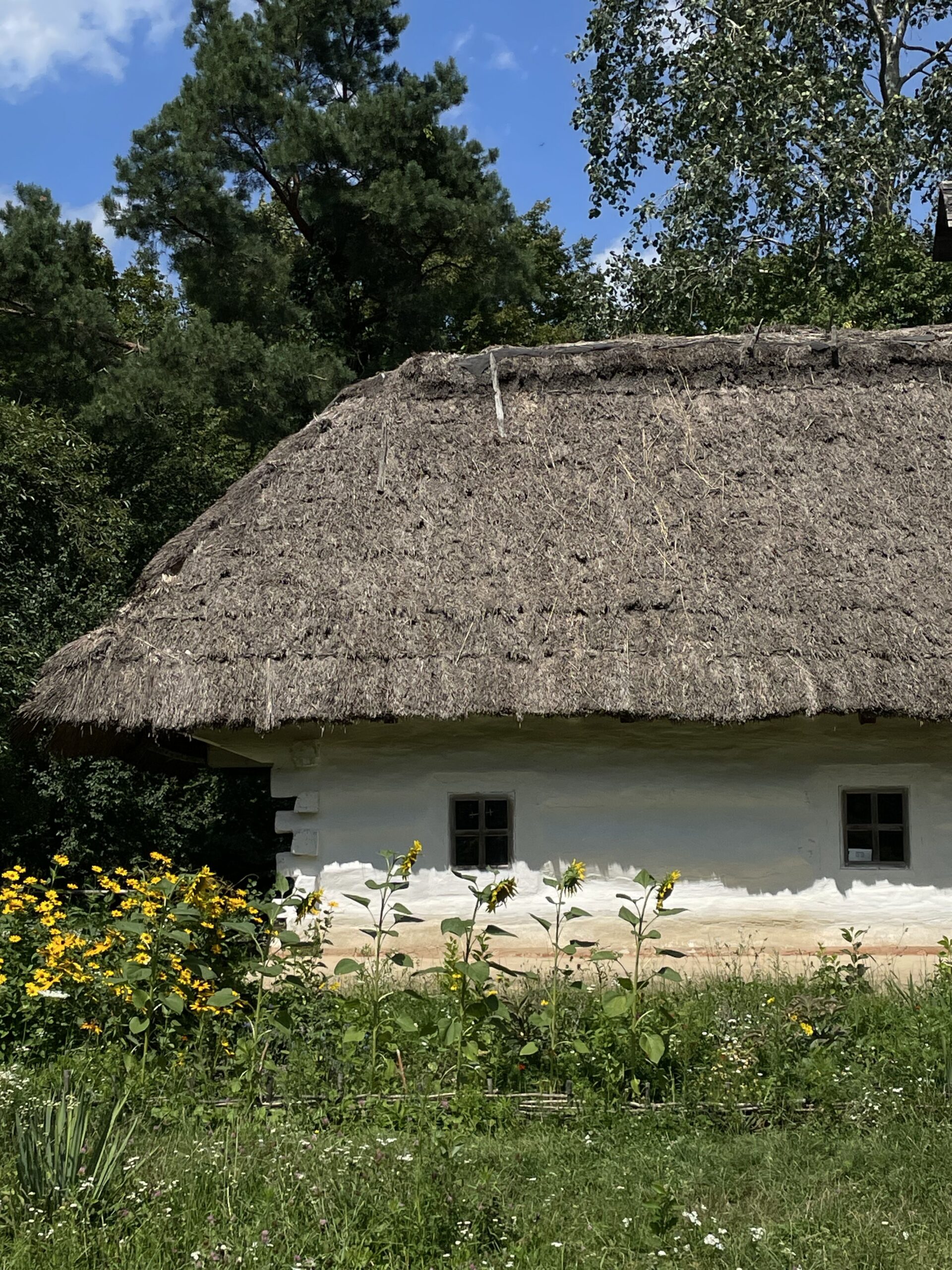
Over time, natural thatch will wear down from exposure to the elements.
If you notice thin spots, loose bundles, or damaged areas, repair them as soon as possible. Small repairs can help maintain proper drainage and prevent moisture from reaching deeper into the roof. When patching no longer holds up, it may be time for a full thatch roof replacement.
Routine inspections can catch problems before they become costly repairs.
Know When Synthetic Thatch May Be a Better Option
Natural thatch creates an authentic tropical look, but it requires ongoing maintenance to perform well outdoors.
For commercial properties such as resorts, restaurants, and theme parks, synthetic thatch is often a better long-term solution because it is designed to resist moisture, UV exposure, and weather while requiring far less maintenance. Many buyers weigh the pros and cons of each material before committing to a roof design.
The Bottom Line
To improve drainage and ventilation on a natural thatch roof, use a properly pitched roof, allow plenty of airflow, keep the roof free of debris, and repair worn areas before they become larger problems.
These simple maintenance practices can help your natural thatch roof stay attractive and perform better for years.
Need Help Choosing the Right Thatch for Your Project?
Whether you’re maintaining a natural thatch roof or considering a long-lasting synthetic alternative, amaZulu can help. Contact amaZulu today for expert guidance and product recommendations for your next project.
Tristan Ishtar
VP of Sales
With over 11 years at amaZulu, Tristan brings deep expertise in tropical building materials and a customer-focused approach. He serves as a trusted consultant for architects and designers, providing expert guidance without high-pressure sales.