
Tristan Ishtar
VP of Sales
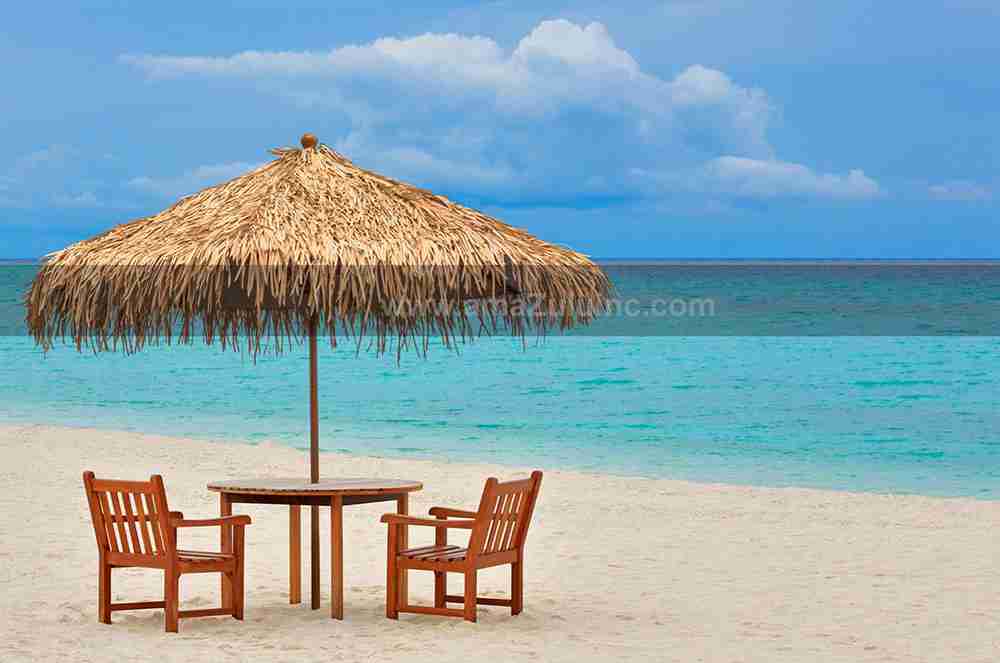
If you’re building or renovating a resort cabana in Florida, one of the most important decisions you’ll make is whether to use synthetic thatch or natural thatch for the roof. While both options can create a tropical look, they perform very differently in Florida’s climate.
For most Florida resort cabanas, synthetic thatch is the better long-term choice. However, understanding the strengths and weaknesses of each material can help you make the right decision for your project.
Florida’s Climate Creates Unique Challenges
Florida’s weather is tough on roofing materials. Resort cabanas must withstand intense sunlight, heavy rain, humidity, strong winds, and occasional tropical storms. These conditions can quickly wear down natural materials that might last much longer in drier climates.
Because cabanas are typically located near pools, beaches, and outdoor recreation areas, a thoughtful cabana roof design must maintain its appearance while requiring as little maintenance as possible
Natural Thatch: Authentic but High Maintenance
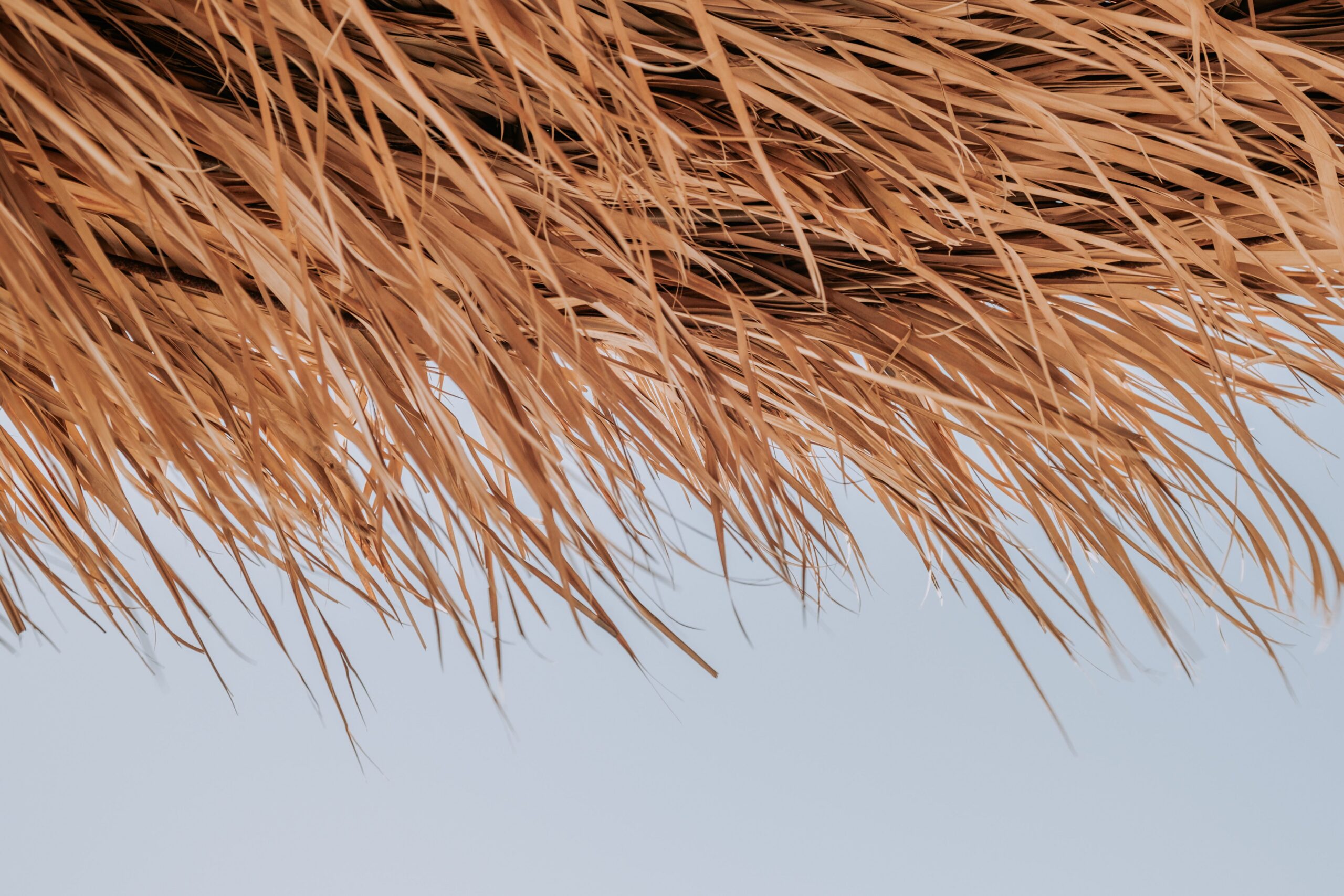
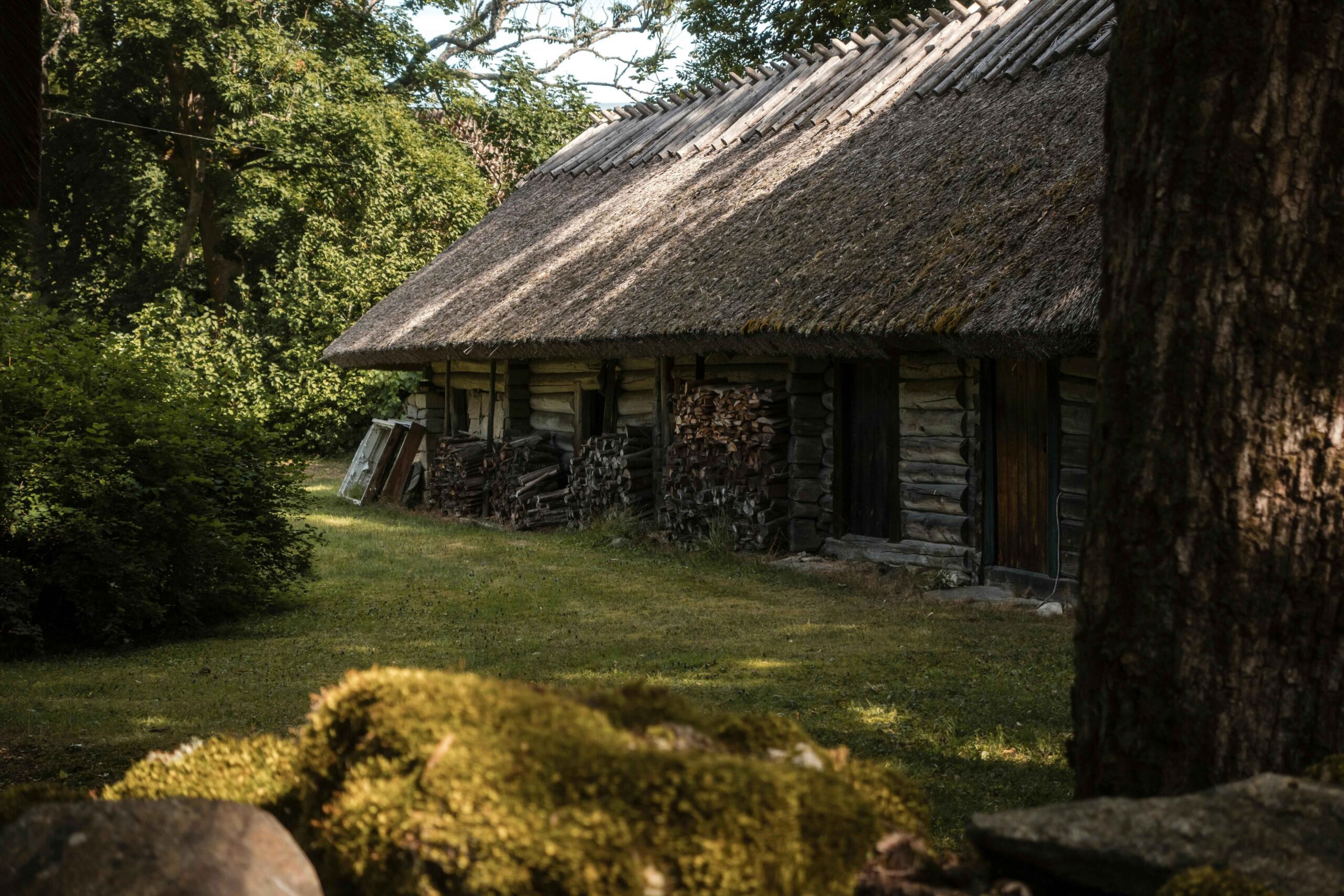
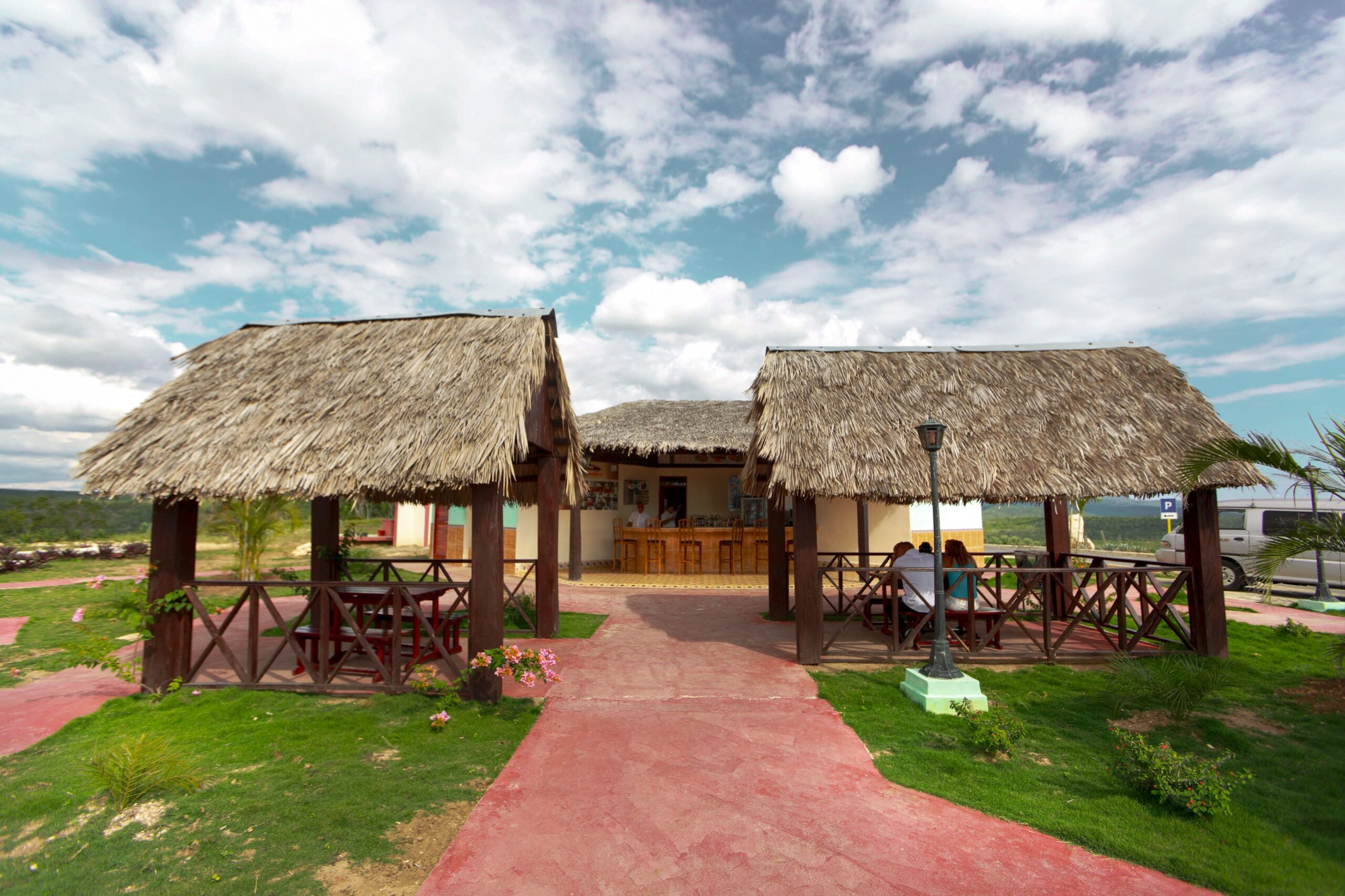
Natural thatch is made from real plant materials, such as palm leaves or reeds. Many resort owners choose it because it offers an authentic tropical appearance that guests immediately recognize.
The biggest advantage of natural thatch is its traditional look. It creates a genuine island atmosphere and can be less expensive upfront than some synthetic alternatives.
However, natural thatch has several drawbacks in Florida. Constant exposure to moisture, humidity, and sunlight causes natural materials to break down over time. Depending on the conditions, natural thatch may need frequent repairs or complete replacement much sooner than synthetic products.and the overall thatched roof lifespan can be significantly shorter in humid coastal areas.
For a commercial property like a resort, ongoing maintenance costs can add up quickly.
Synthetic Thatch: Built for Long-Term Performance
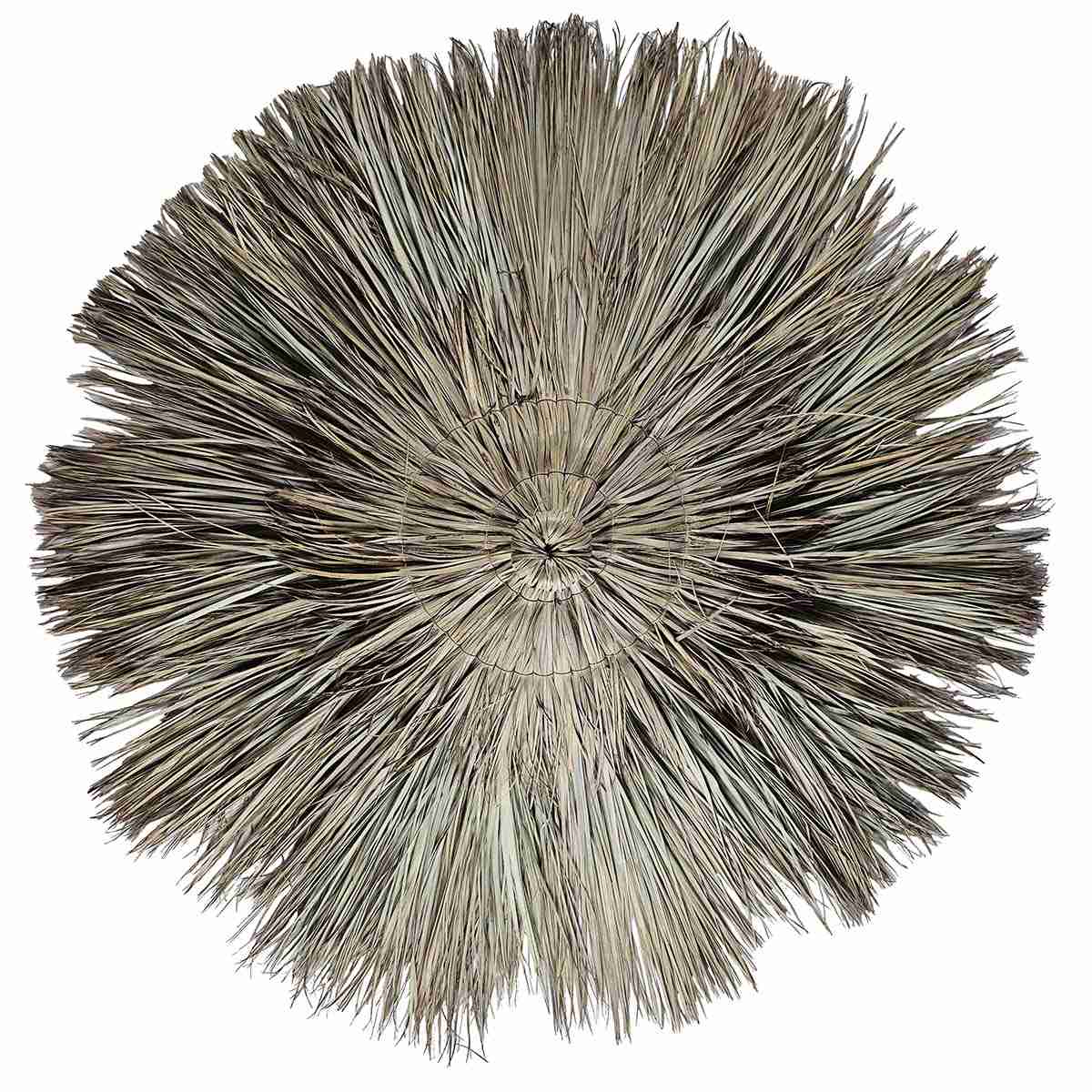
Synthetic thatch is designed to replicate the appearance of natural thatch while offering significantly greater durability. Modern synthetic thatch products are engineered to resist UV damage, moisture, fading, and weather-related wear.
One major advantage is longevity. Synthetic thatch can maintain its appearance for many years without the deterioration commonly seen in natural materials.
Another important benefit for resorts is fire resistance. Many synthetic thatch products are manufactured with fire-retardant properties, which can help meet commercial building and safety requirements.
Because synthetic thatch requires far less maintenance, resort operators can significantly reduce thatch roofing costs related to repairs and replacements.
Comparing the Two Options
When deciding between synthetic and natural thatch, consider these factors:
Appearance
- Natural thatch offers an authentic tropical look.
- Synthetic thatch closely mimics natural materials while maintaining a consistent appearance over time.
Durability
- Natural thatch gradually deteriorates from sun, moisture, and weather exposure.
- Synthetic thatch is designed to withstand harsh outdoor conditions.
Maintenance
- Natural thatch requires regular upkeep and eventual replacement.
- Synthetic thatch requires minimal maintenance.
Fire Safety
- Natural thatch is not naturally fire resistant.
- Many synthetic thatch products are manufactured with fire-retardant properties.
Long-Term Cost
- Natural thatch may cost less initially.
- Synthetic thatch often provides better value over time because it lasts longer and requires fewer repairs.
Which Option Is Best for a Florida Resort Cabana?
For most Florida resort cabanas, synthetic thatch is the smarter investment. It delivers the tropical aesthetic guests expect while offering better durability, lower maintenance requirements, and improved fire safety.
Natural thatch can still be a good choice when authenticity is the highest priority and regular maintenance is acceptable. However, for commercial properties choosing tropical building supplies with a focus on long-term performance and cost efficiency, synthetic thatch is usually the preferred solution.
Get Expert Help With Your Project
Choosing the right thatch material depends on your location, budget, design goals, and maintenance expectations. The team at amaZulu has decades of experience helping resorts, hotels, theme parks, and commercial properties select the best tropical building materials for their projects.
Contact amaZulu today to discuss your cabana roof project and get expert guidance on the right thatch solution for your needs.
Tristan Ishtar
VP of Sales
With over 11 years at amaZulu, Tristan brings deep expertise in tropical building materials and a customer-focused approach. He serves as a trusted consultant for architects and designers, providing expert guidance without high-pressure sales.