

Tristan Ishtar
VP of Sales
Design teams love the look of real bamboo, but jobsite reality often changes material decisions. Heavy rain, irrigation overspray, strict maintenance limits, and long operating hours can push natural bamboo past practical limits in outdoor commercial settings.
This guide explains when synthetic bamboo poles become the better option. You will learn where they perform best, where natural still has an edge, and how to compare both choices based on durability, maintenance, and lifecycle value.
Why Synthetic Bamboo Has Gained Ground in Commercial Projects
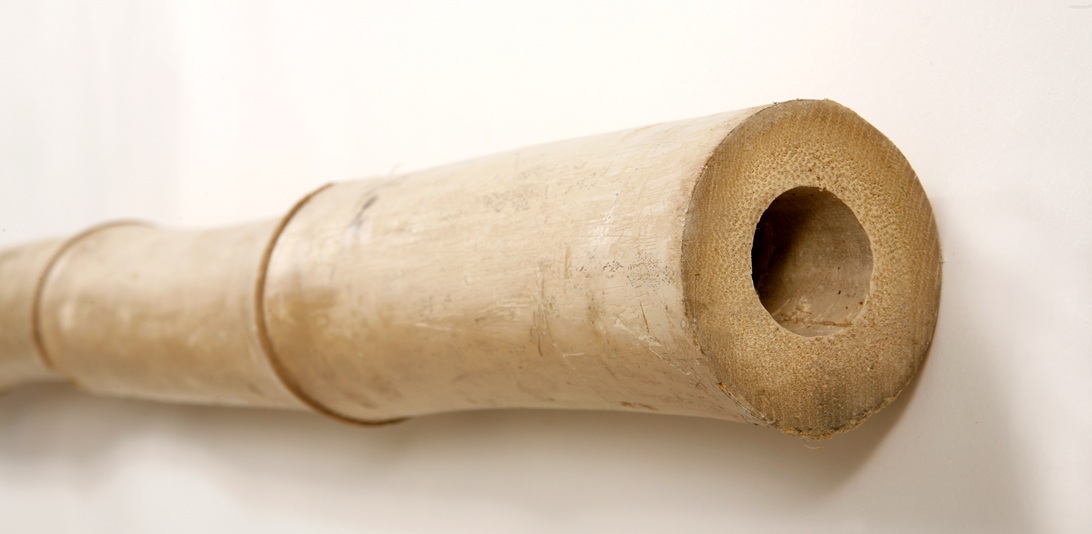
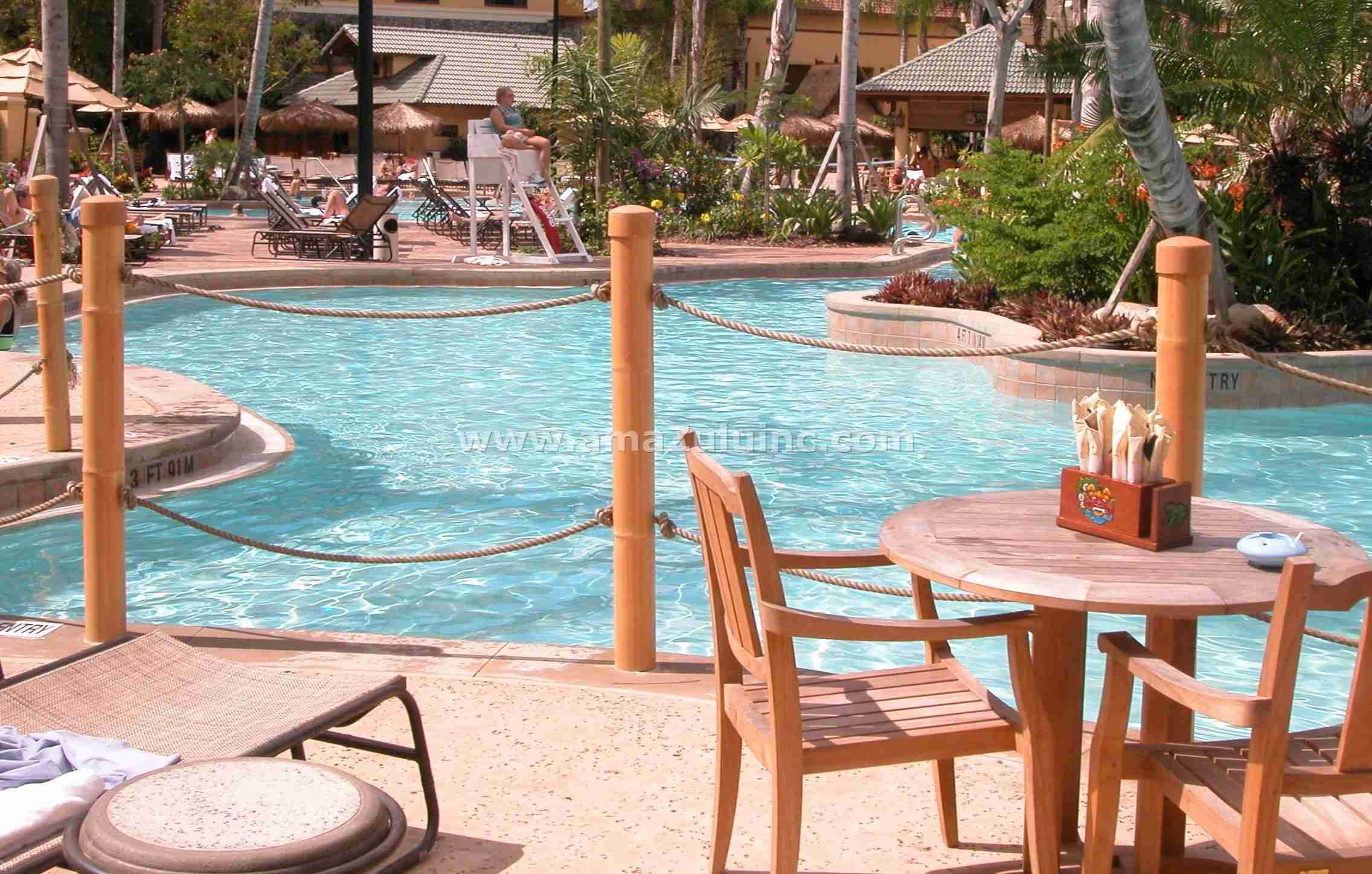
In amaZulu source material, synthetic bamboo is repeatedly recommended for demanding outdoor exposure where natural poles may decay. That includes applications like sleeving existing metal posts, concealing conduit, and creating durable tropical theming in wet environments.
Commercial buyers often prioritize predictable performance over perfect material purity. If appearance must remain consistent across seasons with limited maintenance shutdowns, synthetic can be the safer operational decision. For a direct side-by-side breakdown, amaZulu’s guide on bamboo poles vs synthetic bamboo poles covers how the two materials differ in practice.
Where Synthetic Bamboo Poles Outperform Natural Most Clearly
- High-moisture zones: Water features, humid climates, and frequent wash-down areas.
- Utility concealment: Hiding pipes, conduit, and steel posts while keeping a themed finish.
- Low-maintenance properties: Sites with lean facilities teams.
- Consistency-critical branding: Multi-location projects that need repeatable visual outcomes.
These advantages are strongest when the bamboo role is decorative rather than structural. For a closer look at the full product range, amaZulu’s synthetic bamboo poles and faux bamboo poles pages show available options for commercial applications.
Performance Comparison: Natural vs Synthetic by Project Priority
Durability in Full-Weather Exposure
Synthetic generally resists moisture-related deterioration better in harsh outdoor conditions.
Maintenance Demand
Natural usually requires more regular sealing and inspection. Synthetic often reduces recurring finish cycles. This Old House notes that consistent sealing and recoating schedules are essential for any natural material in outdoor exposure — a commitment that synthetic products largely eliminate.
Visual Authenticity
Natural has unmatched organic variation. Synthetic can still achieve convincing aesthetics, especially when molded from real-material references.
Structural Use
Structural bamboo poles in natural species may be used in engineered load-bearing assemblies. Synthetic products are typically selected for non-structural applications.
A Scenario for Decision-Making
A theme venue needs bamboo-styled columns along a mist-heavy queue path. Natural poles can deliver a rich look but would require ongoing coating and periodic replacement planning. Synthetic sleeves over structural supports can deliver similar aesthetics with less moisture risk and fewer maintenance interventions.
In this case, synthetic may cost more at purchase but reduce total disruption and replacement labor over time.
Quick takeaway: choose synthetic when exposure and maintenance constraints are severe.
Common Specification Mistakes to Avoid
- Treating synthetic as structural by default. Confirm product role and engineering intent.
- Skipping sample review in real lighting. Color and sheen shift between showroom and site.
- Ignoring thermal movement and attachment details. Proper fastening preserves appearance.
- Comparing only unit price. Include labor, downtime, and replacement interval in your model.
Questions to Ask Your Supplier Before You Buy
Ask about UV performance expectations, available diameters and lengths, joinery methods, installation accessories, and warranty terms where applicable. amaZulu background notes also reference artificial interlocking bamboo options in compact sections that can simplify shipping and help teams achieve custom lengths on site.
For commercial teams, logistics can be as important as material price. A product that ships and installs efficiently can protect schedule and labor budgets. Bluebeam’s construction blog outlines how material selection tied to site conditions affects long-term commercial project performance — a principle that applies directly to the natural vs synthetic decision.
Mini FAQ
Is synthetic bamboo always more expensive? Not always in total ownership terms. Upfront cost can differ from lifecycle cost once maintenance and replacement are included.
Can synthetic be used indoors too? Yes. Many projects use synthetic in both indoor and outdoor themed spaces.
Should natural bamboo be avoided completely outdoors? No. Natural can work outdoors with proper detailing and maintenance. The choice depends on exposure and operations capacity.
Match the Material to the Reality
Synthetic bamboo poles outperform natural most often where moisture, maintenance limits, and schedule reliability drive decisions. Natural remains valuable in the right context, especially when authenticity is the top priority and upkeep is planned. For commercial tropical builds, the best result comes from matching material behavior to real operating conditions before procurement.
Tristan Ishtar
VP of Sales
With over 11 years at amaZulu, Tristan brings deep expertise in tropical building materials and a customer-focused approach. He serves as a trusted consultant for architects and designers, providing expert guidance without high-pressure sales.