
Tristan Ishtar
VP of Sales
Natural bamboo can deliver a visual warmth that manufactured materials rarely match. But in commercial work, looks alone are not enough. Teams need poles that meet the design intent, installation method, and expected service conditions without costly surprises.
This guide explains natural bamboo poles from a specification mindset. You will learn how species differences influence appearance, where structural-grade poles fit, how finishing affects longevity, and how to pair each pole type with the right application.
What Changes From One Species to Another
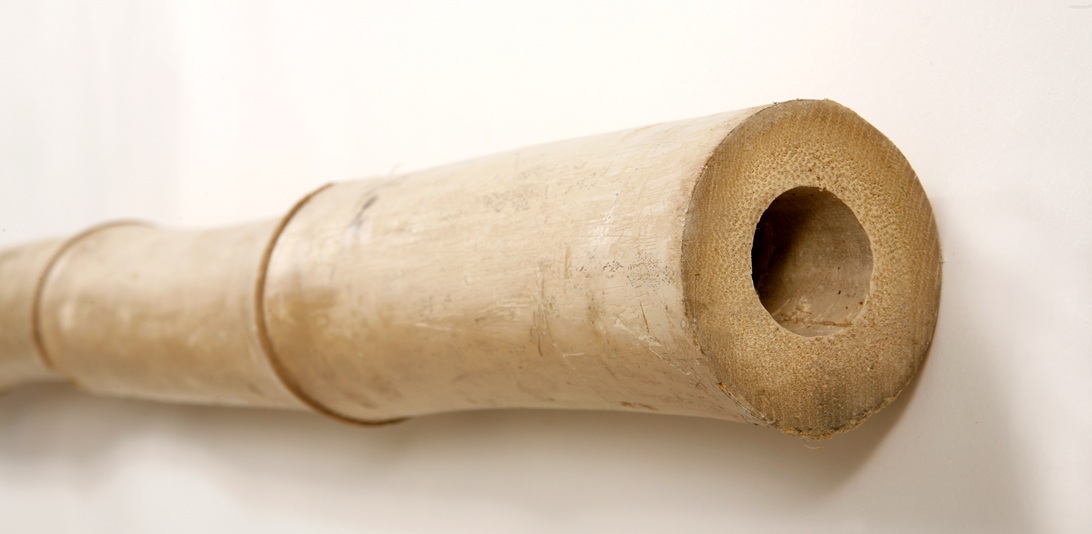
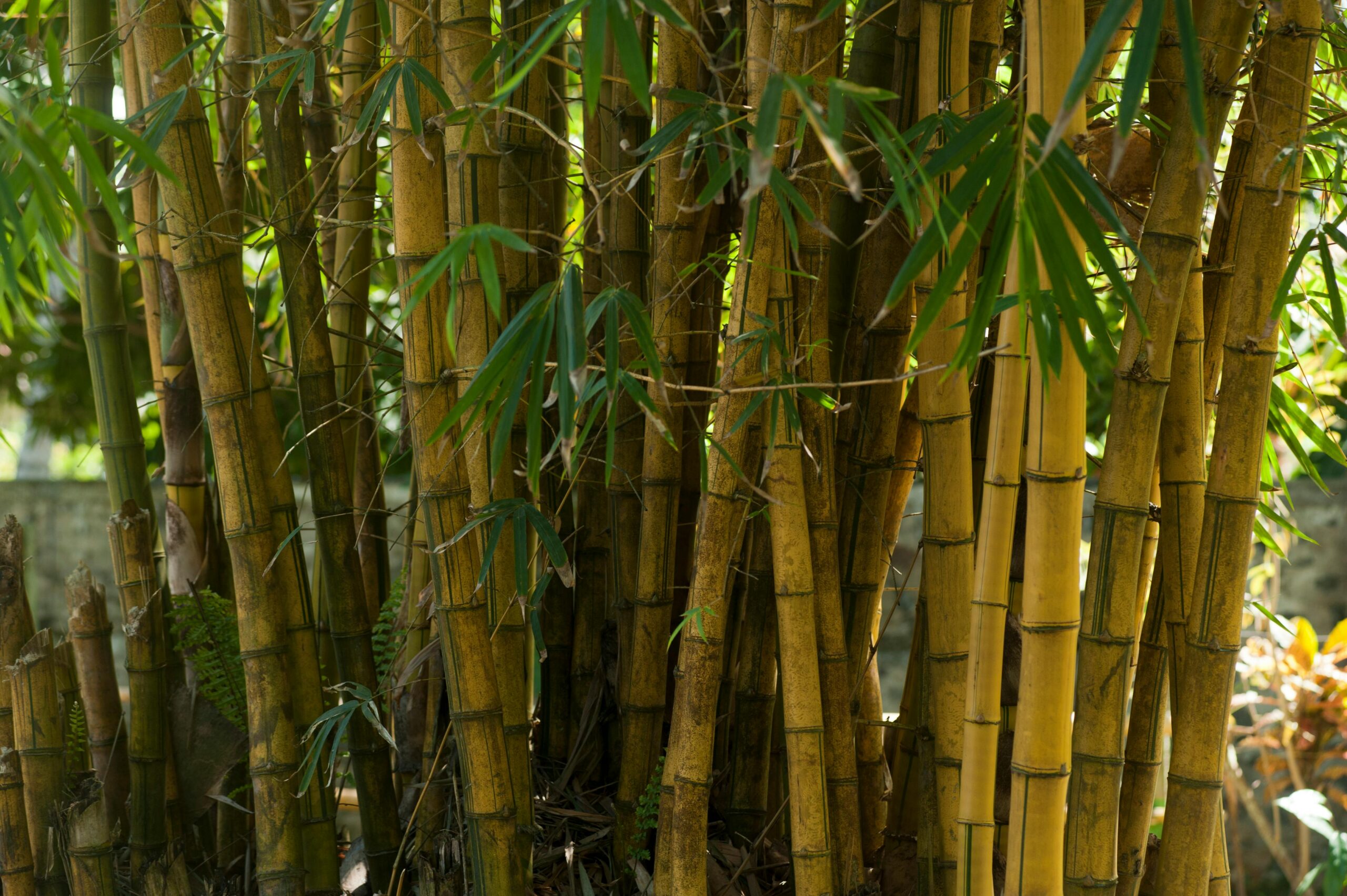
Not all bamboo poles behave the same in the field. Species differences affect wall thickness, straightness, node spacing, and surface character. Those differences influence drilling behavior, connection quality, and visual consistency across long runs.
amaZulu interview material emphasizes that only certain structural species are appropriate for load-bearing assemblies. Decorative-grade poles sold in mass retail channels may split or fray when drilled or fastened for structural tasks. The bamboo poles comparison guide breaks down how Tre Gai, solid bamboo, Guadua, and Tonkin differ in wall density and performance.
For design teams, this means species selection should happen early, before details and hardware are finalized.
Appearance Traits Clients Notice First
Visual selection is usually based on four factors:
- Color range: Some poles present warmer tan tones, while others read deeper or more muted.
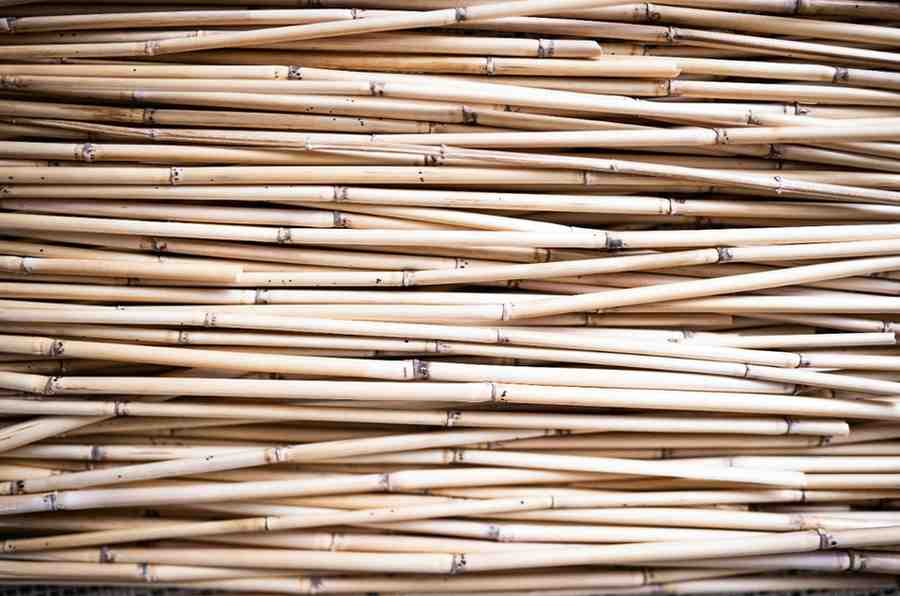
- Node rhythm: Tight node spacing creates one texture; wider spacing creates another.
- Surface texture: Smoothness versus rustic character changes the perceived quality level.
- Straightness tolerance: Hospitality and entertainment clients often expect cleaner line consistency.
A mockup panel is the fastest way to align owner expectations before full procurement.
Performance Considerations Beyond Aesthetics
A short scenario: a themed restaurant wants exposed bamboo trusses. The design team chooses poles by appearance first, then discovers the selected material does not support planned connection details. Redesign follows, adding schedule pressure.
The better sequence is to set performance requirements first, then choose the species that can deliver both structure and look.
Quick takeaway: visual approval should happen after performance screening, not before.
Natural Bamboo Poles in Common Project Roles
Decorative Cladding and Accents
For non-structural surfaces, visual uniformity and finish behavior usually matter more than structural capacity. The bamboo pole selection guide covers how to match pole grade to decorative versus load-bearing roles.
Fencing and Privacy Screens
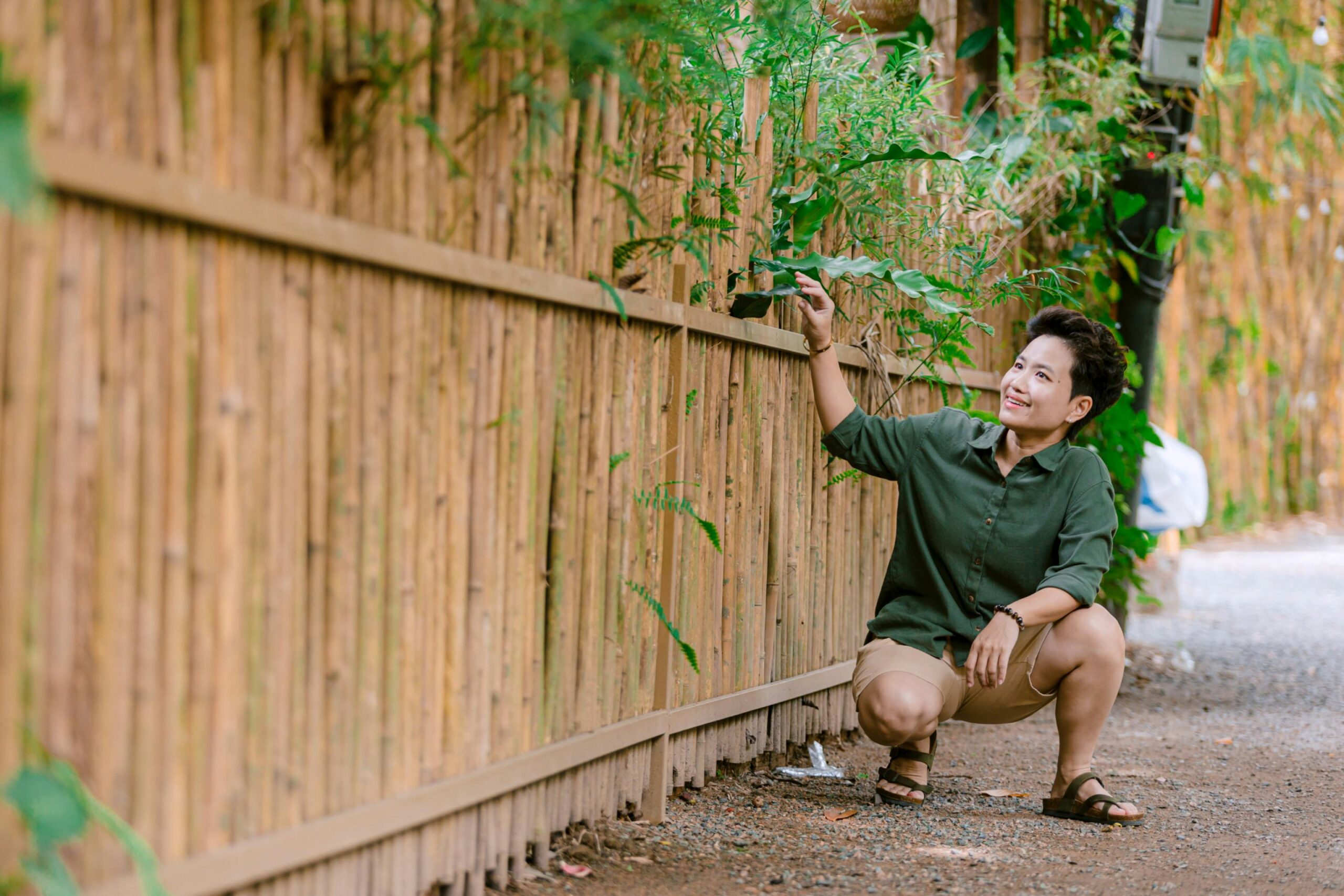
Outdoor fences need thoughtful detailing for drainage, top protection, and maintenance access. See amaZulu’s resource on bamboo fencing for detailing and product options suited to commercial and residential applications.
Structural Frames and Pergolas
Use verified structural bamboo poles and engineered detailing. Fastener strategy, connection reinforcement, and moisture control are central. The Institution of Civil Engineers notes that bamboo’s tensile strength is comparable to mild steel, making structural-grade species a credible choice for commercial framing when properly specified.
Interior Ceiling and Wall Features
Indoor use can reduce weather exposure risk, but still requires proper attachment and finish planning.
Finishing and Maintenance Expectations
Natural bamboo is a living material once harvested only in the sense that it continues to react to environment. Sun, moisture, and temperature cycles alter appearance over time. This is normal, but teams should define acceptable weathering in the design phase.
A practical maintenance plan includes periodic cleaning, inspection of cuts and penetrations, and recoating intervals suited to climate and exposure. Without that plan, owner expectations and real performance may drift apart. This Old House emphasizes that regular sealing and surface prep are the most reliable ways to extend the service life of natural materials used outdoors.
How to Choose the Right Natural Pole for Your Project
Use this five-step method:
- Define whether each location is decorative or structural.
- Set exposure class: interior, covered exterior, or full weather.
- Specify visual criteria with realistic tolerance bands.
- Confirm connection method compatibility with selected species.
- Approve a field mockup before full release.
This process helps avoid substitutions that look similar but perform differently.
Mini FAQ
Are natural bamboo poles always sustainable? They can be a strong sustainable option when responsibly sourced. Verify sourcing practices with your supplier.
Can one species work for both fencing and structure? Sometimes, but requirements differ. Structural use needs stronger performance verification.
Do all natural poles age the same way? No. Climate, finish, orientation, and species all influence weathering pattern and pace.
Specify Well, Build Better
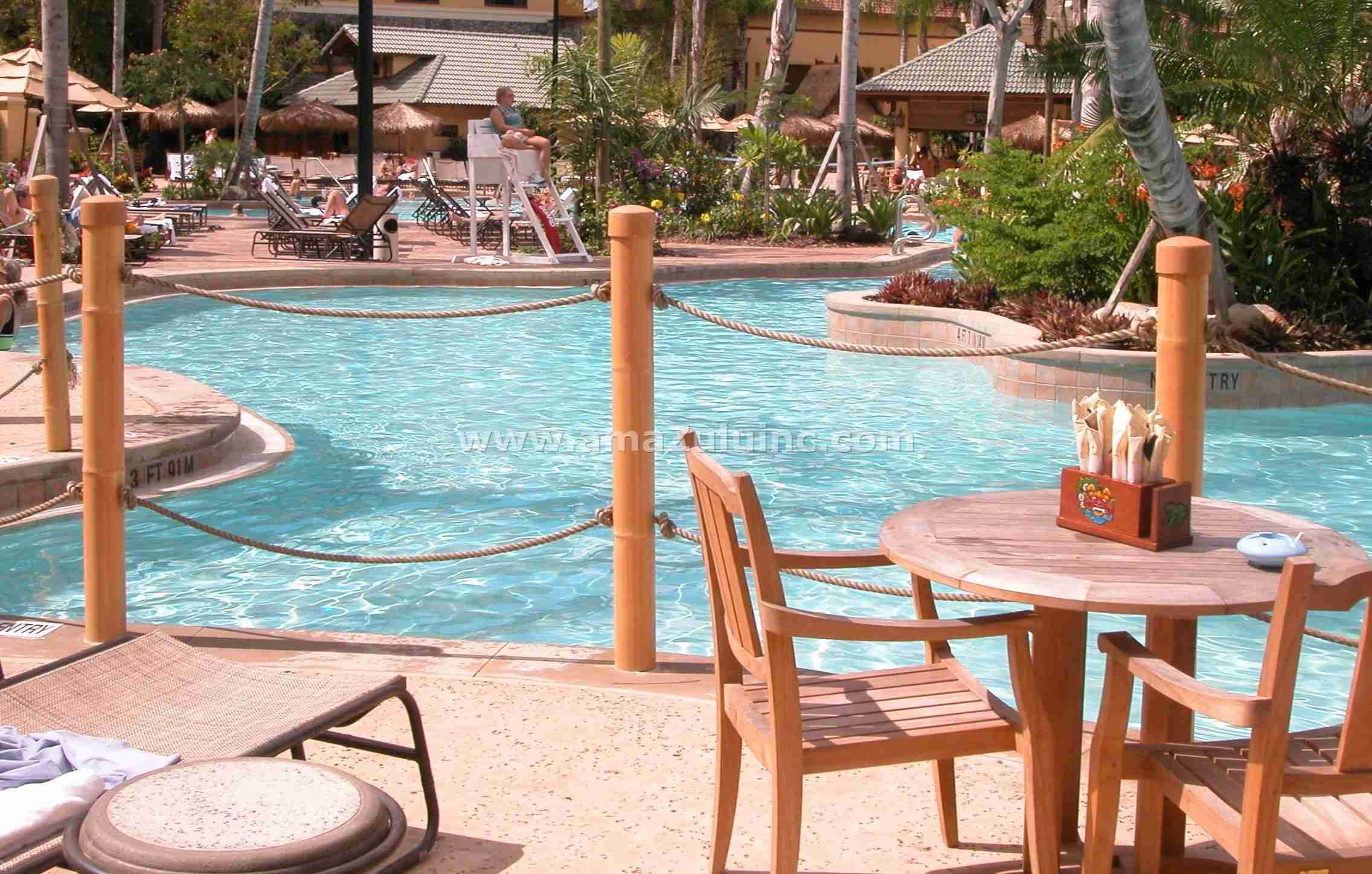
Natural bamboo poles offer a powerful blend of character and function when specified carefully. The most successful projects match species, visual goals, and performance demands from the start, then support that decision with good detailing and maintenance planning. If you are building in hospitality, theme parks, or branded outdoor environments, that discipline protects both design quality and budget.
Tristan Ishtar
VP of Sales
With over 11 years at amaZulu, Tristan brings deep expertise in tropical building materials and a customer-focused approach. He serves as a trusted consultant for architects and designers, providing expert guidance without high-pressure sales.