
Tristan Ishtar
VP of Sales
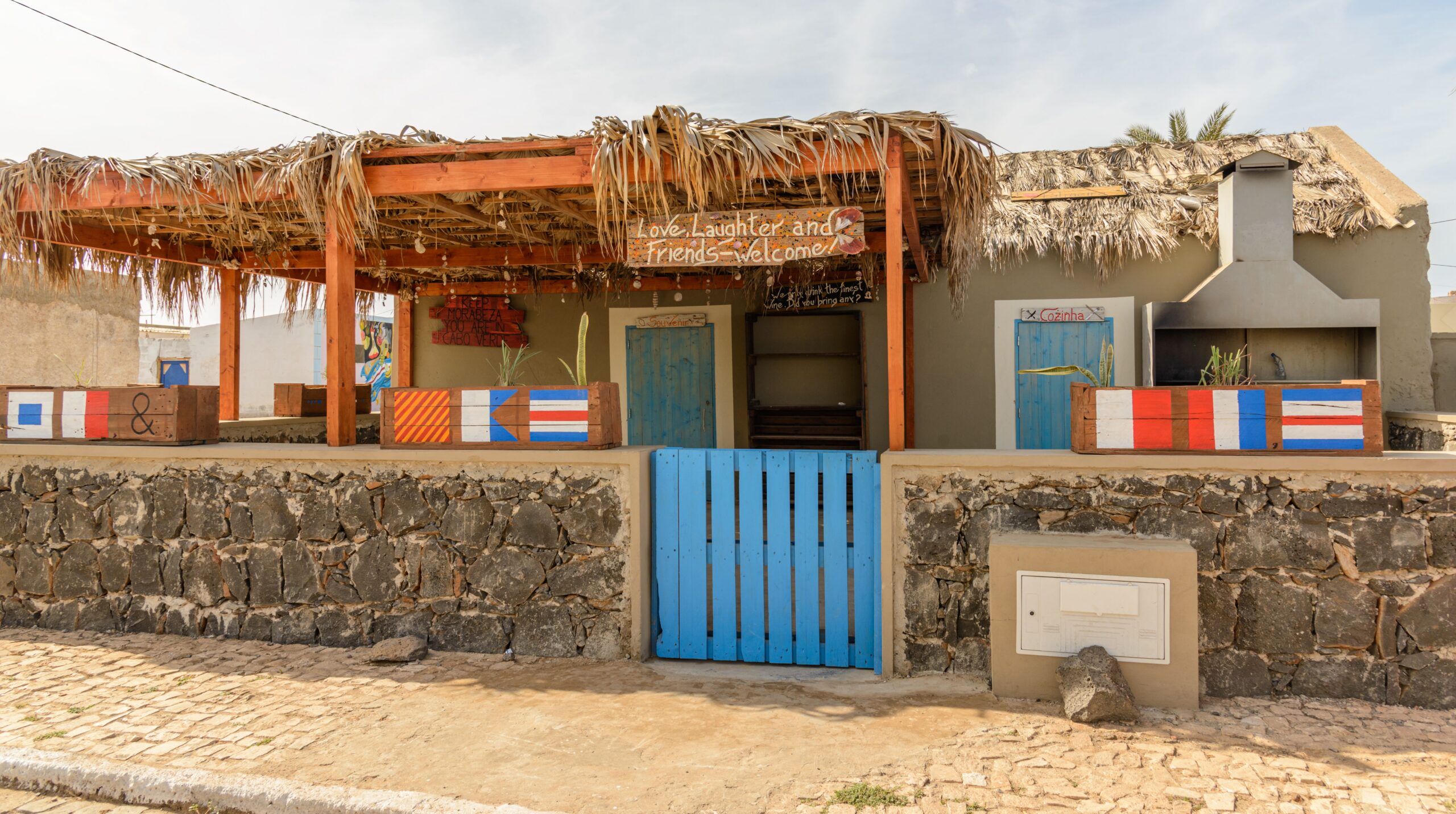
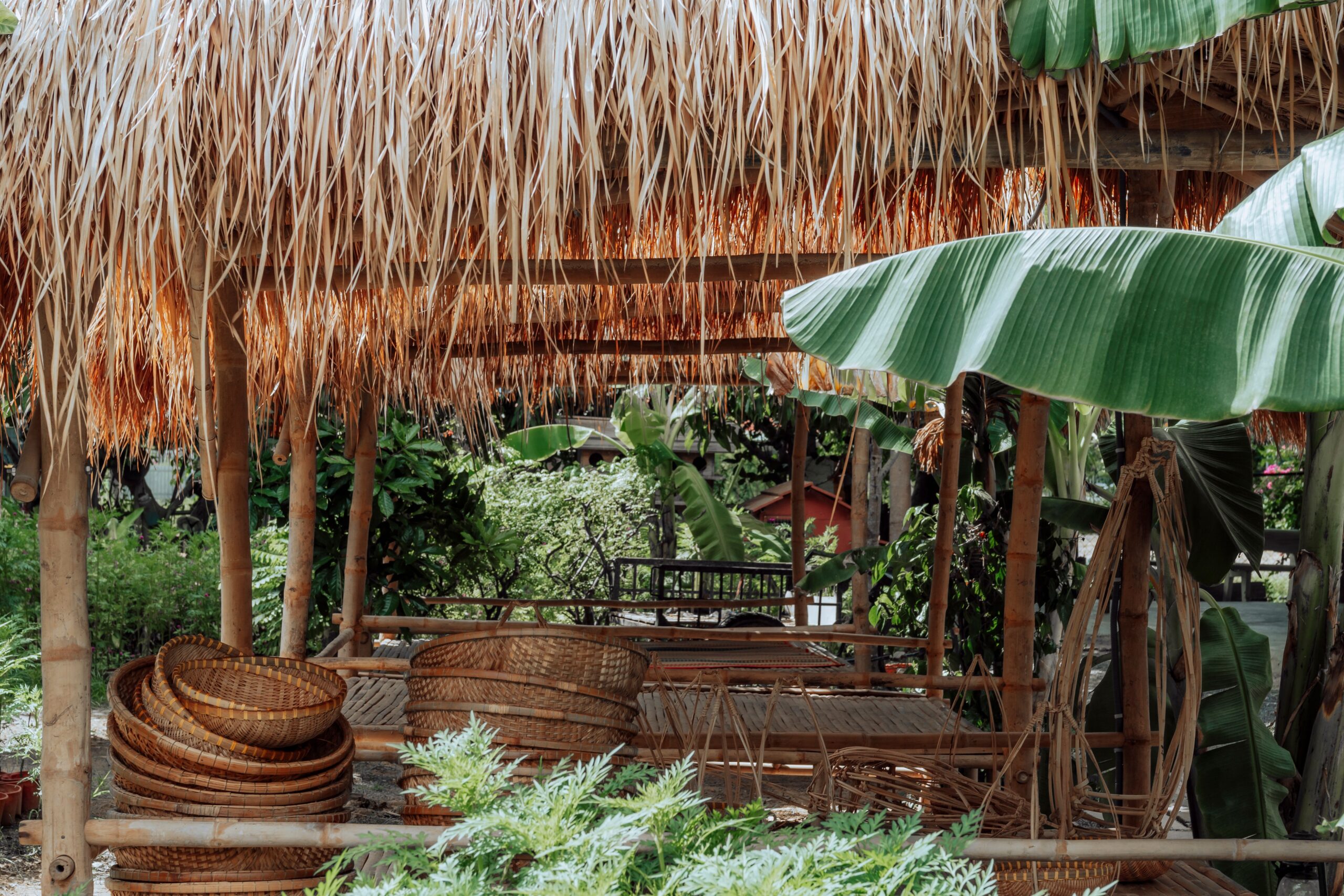
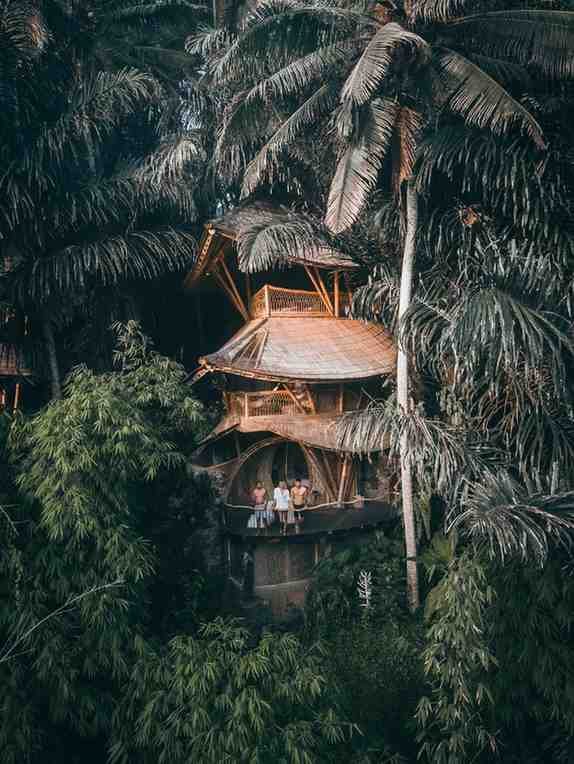
Tropical design always forces one real decision: do you want the organic “alive” look of natural materials, or the predictable performance of engineered systems? When teams evaluate bamboo poles for tropical architecture, that tradeoff shows up fast—especially on commercial sites where sun, moisture, guest traffic, and code requirements are non-negotiable.
Here’s the good news: authenticity and performance aren’t mutually exclusive—as long as you select bamboo by use case and zone, not by vibe.
Start with intent: “authentic” isn’t one requirement
In tropical architecture, “authentic” can mean very different things depending on the brand experience:
- Rustic character with irregular nodes, color variation, and natural texture
- Polished, repeatable rhythm—same diameter, same finish, clean uniform lines
- Hybrid authenticity—natural texture where guests see and touch it, engineered durability where exposure is harsh
Quick takeaway: Before you choose material, define the type of authenticity you’re trying to deliver.
Natural bamboo: strongest visual authenticity
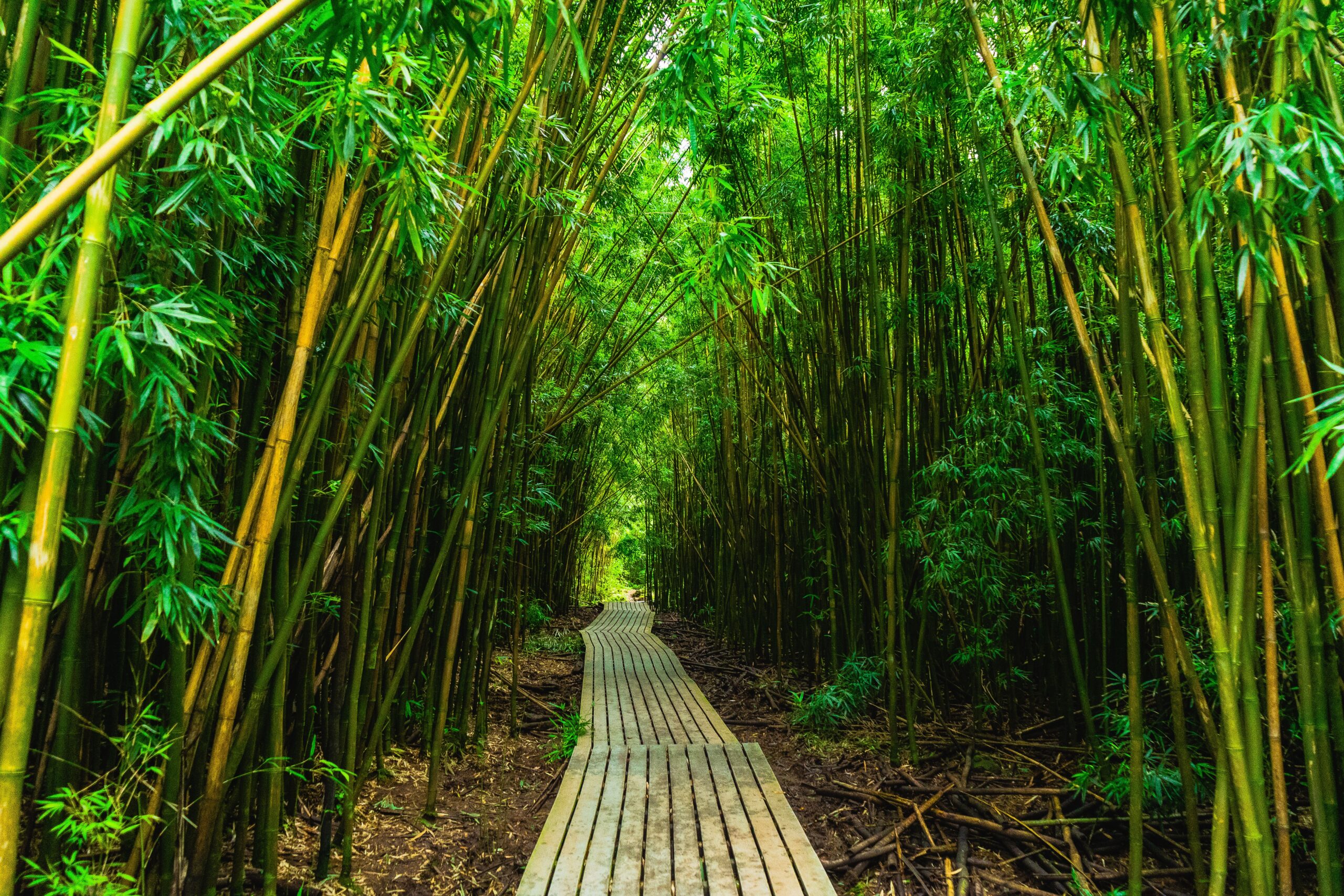
For many designers, natural bamboo is still the benchmark for true tropical expression. It reads as real up close—because it is.
Best uses (where natural shines)
- Feature columns and arrival statements
- Bars, soffits, ceiling details, and decorative beams in protected zones
- Themed architectural elements where tactile realism matters
Why specifiers choose it
- Organic variation (nodes, tone, texture) that feels premium and believable
- Strong storytelling value—natural materials carry “place”
- Can be used in select structural-capable applications when properly engineered and detailed
What to design for (the reality)
Natural bamboo performs best when the details respect the material:
- Keep it away from standing water and direct ground moisture
- Plan for weathering, touch-ups, and upkeep (especially outdoors)
- Treat durability and maintenance as part of the spec—not a later surprise
Bottom line: Natural bamboo is the “wow” factor—but it demands smart detailing and realistic maintenance planning.
Synthetic bamboo: strongest long-term performance consistency
Synthetic bamboo is designed to mimic the look while reducing the operational headaches that show up in harsh commercial conditions. It’s often chosen when uptime and consistency matter more than organic variation.
Best uses (where synthetic tends to win)
- Fully exposed exterior installations with repeated wet/dry cycling
- High-touch guest areas (hands, bags, traffic, daily cleaning)
- Water-adjacent features and splash zones
- Areas where fire-performance requirements influence material decisions
Why operators and commercial teams like it
- Predictable color, diameter, and finish across large areas
- Lower maintenance burden over time
- Better resistance to moisture-driven degradation
- Easier long-term matching when replacements are needed
Bottom line: Synthetic bamboo is the “keep it looking the same without constant upkeep” choice—especially for exposed and high-abuse zones.
The best commercial results are often hybrid
Top-performing tropical environments rarely go “all natural” or “all synthetic.” They zone-spec the site:
- Natural bamboo in premium visual areas that are sheltered or easier to maintain
- Synthetic bamboo in weather-exposed, code-sensitive, or high-abuse zones
This approach protects the authentic experience while reducing lifecycle risk and maintenance surprises. For a deeper look at how the two compare side by side, see bamboo poles vs. synthetic bamboo poles.
Quick takeaway: Hybrid is how you keep the design immersive and keep operations sane.
Specification checklist for bamboo poles in tropical architecture
Before locking materials, align the team on these five filters:
- Exposure profile – interior, covered exterior, or fully exposed
- Guest interaction level – background décor vs high-contact surface
- Code requirements – especially fire performance for commercial occupancies
- Maintenance capacity – budget/staffing for routine upkeep and inspections
- Structural role – decorative wrap vs engineered structural function
If you answer these five questions upfront, you avoid the two classic commercial failures:
- Over-specifying expensive systems where they aren’t needed
- Under-specifying performance where the environment will punish you
Final takeaway
When you’re evaluating bamboo poles for tropical architecture, don’t frame it as natural vs synthetic like it’s a debate. Frame it as:
Authenticity + performance — allocated intelligently across the site.
If each zone gets the right bamboo type for its conditions, you can deliver a tropical environment that stays beautiful, safe, and operationally reliable for years. Not sure where to start? Our bamboo pole selection guide walks through the key decisions from spec to install.
Tristan Ishtar
VP of Sales
With over 11 years at amaZulu, Tristan brings deep expertise in tropical building materials and a customer-focused approach. He serves as a trusted consultant for architects and designers, providing expert guidance without high-pressure sales.