

Tristan Ishtar
VP of Sales
Selecting the right bamboo poles diameter can make or break your tropical-themed project. Too thin, and your structure looks flimsy or fails structurally. Too thick, and you’ve overspent on materials while creating a heavy, cumbersome appearance.
Bamboo pole diameters affect both aesthetics and functionality. Learning about them will help you specify the perfect size for applications ranging from delicate garden trellises to robust resort pergolas.
About Bamboo Pole Diameter Measurements
Bamboo pole diameters are measured at the pole’s widest point, typically near the base. Since bamboo is a natural material, some variation occurs even within specified size ranges. When suppliers list a 2-inch diameter pole, expect measurements between approximately 1.75 and 2.25 inches depending on the specific pole and growing conditions.
This natural variation differs from dimensional lumber’s precision but adds to bamboo’s organic appeal. For projects requiring exact measurements, discuss tolerance ranges with your supplier. Commercial installations often benefit from hand-selecting poles to achieve consistent appearance, while residential projects typically accommodate natural variation without issue.
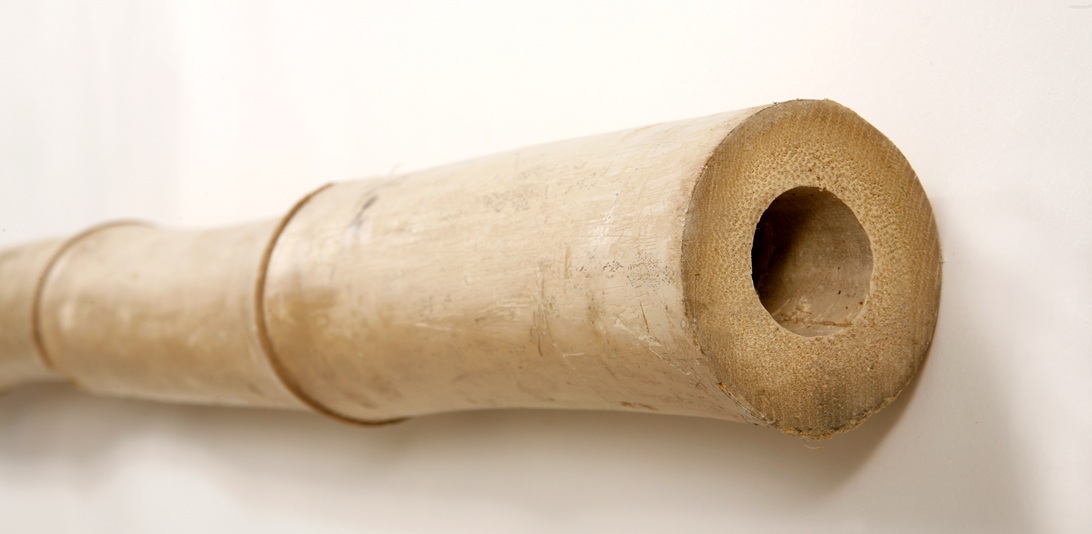
Wall thickness varies by species and significantly impacts strength regardless of outer diameter. Solid bamboo features walls comprising 60-99% of the total diameter, leaving minimal hollow center. Tonkin and other decorative species have thinner walls, creating larger hollow interiors that reduce strength while maintaining outer dimensions.
Common Bamboo Pole Diameter Ranges
Bamboo poles are available in standard diameter categories that suit different applications and design intentions.
Small Diameter Poles (1″ – 1.5″)
Small diameter bamboo poles work perfectly for projects emphasizing delicacy and refined detail:
Typical Applications:
- Garden trellises and plant supports
- Decorative fencing and screening
- Ceiling treatments and wall coverings
- Craft projects and DIY installations
- Bar fronts and detailed trim work
These slender poles create visual lightness that suits residential gardens, intimate restaurant spaces, and applications where bamboo provides accent rather than dominant presence. The smaller diameter also means lighter weight, simplifying installation and reducing structural support requirements.
Cost advantages make small diameter poles attractive for budget-conscious projects. Less material means lower pricing, allowing you to achieve bamboo aesthetics without major investment. However, recognize the structural limitations—these poles cannot handle significant loads or heavy wind exposure.
Medium Diameter Poles (2″ – 3″)
Medium diameter bamboo represents the workhorse size for most commercial and residential applications:
Common Uses:
- Standard height fencing (4-6 feet)
- Pergola crossbeams and rafters
- Moderate support columns
- Tiki bar construction
- Shade structure framing
This diameter range balances visual impact with practical strength. The poles read as substantial without overwhelming spaces or creating heavy, oppressive feelings. Medium diameters work in both residential tropical projects and commercial installations where authentic appearance matters.
Structural capabilities increase significantly in this range, particularly with thick-walled species like solid bamboo or Tre-Gai. These poles can serve as actual support members rather than just decorative elements, reducing the need for hidden steel or lumber frameworks.
Large Diameter Poles (3″ – 4″+)
Large diameter bamboo poles create dramatic focal points and handle serious structural demands:
Best Applications:
- Primary support columns for pergolas and pavilions
- Entrance features and statement pieces
- Tall fencing installations (8+ feet)
- Resort lobby columns and architectural highlights
- Theme park attractions requiring visual impact
The substantial diameter commands attention and establishes tropical character immediately. These poles photograph dramatically and create the immersive environments that define successful themed spaces. Resort designers and theme park developers rely on large diameter bamboo for signature installations where bamboo becomes the story rather than just supporting it.
Structural capacity reaches its peak with large diameter poles, especially in species like Guadua or Tre-Gai. These poles can function as primary load-bearing members in substantial structures, eliminating the need for concealed supports that compromise authenticity.
Premium pricing reflects both the material volume and the longer growth time required to produce large diameter bamboo. Budget accordingly, and consider using large diameter poles strategically at focal points while specifying smaller sizes for secondary applications.
Matching Diameter to Structural Requirements
The structural demands of your application should drive diameter selection more than aesthetics alone. Using undersized poles creates safety hazards and premature failures, while oversizing wastes budget without improving performance.
Non-Structural Decorative Applications
Ceiling treatments, wall coverings, and purely decorative installations require minimal strength since poles bear no loads. Small to medium diameters work perfectly, providing visual interest without unnecessary material costs. Tonkin bamboo’s thin walls pose no problems when poles serve purely aesthetic functions.
Even decorative applications benefit from considering scale. A cathedral ceiling in a resort lobby needs larger diameter poles than a residential dining room ceiling to maintain proper proportions. Trust your design instincts about what looks right in the space.
Light Structural Applications
Garden trellises, low fencing, and lightweight shade structures require poles that can handle modest loads without deflection. Medium diameter poles (2-3 inches) in structural bamboo species provide adequate strength for these applications.
Consider environmental factors as well. Coastal areas face stronger winds than protected inland locations. Installations near high-traffic areas may endure accidental impacts. Factor these stresses into diameter selection, sizing up when conditions demand extra margin.
Heavy Structural Applications
Pergolas, tall fencing, support columns, and primary structural members demand large diameter poles in robust species. The combination of diameter and wall thickness determines load capacity, with solid bamboo or Tre-Gai in 3-4+ inch diameters handling substantial structural roles.
For critical load-bearing applications, consider consulting with engineers familiar with bamboo’s structural properties. While treated structural bamboo can function like dimensional lumber, proper engineering ensures safety and code compliance. Some jurisdictions require stamped engineering drawings for bamboo structures regardless of diameter.
Visual Proportion and Design Considerations
Beyond structural requirements, diameter selection affects how your project looks and feels. Proper scale creates cohesive, professional results while poor proportions undermine even the most carefully planned designs.
Balancing Pole Diameter with Project Scale
Small residential projects using large diameter poles look heavy and overwhelming, like trying too hard to impress. Conversely, commercial installations with undersized poles appear cheap and temporary, failing to create the substantial environments that justify tropical theming investments.
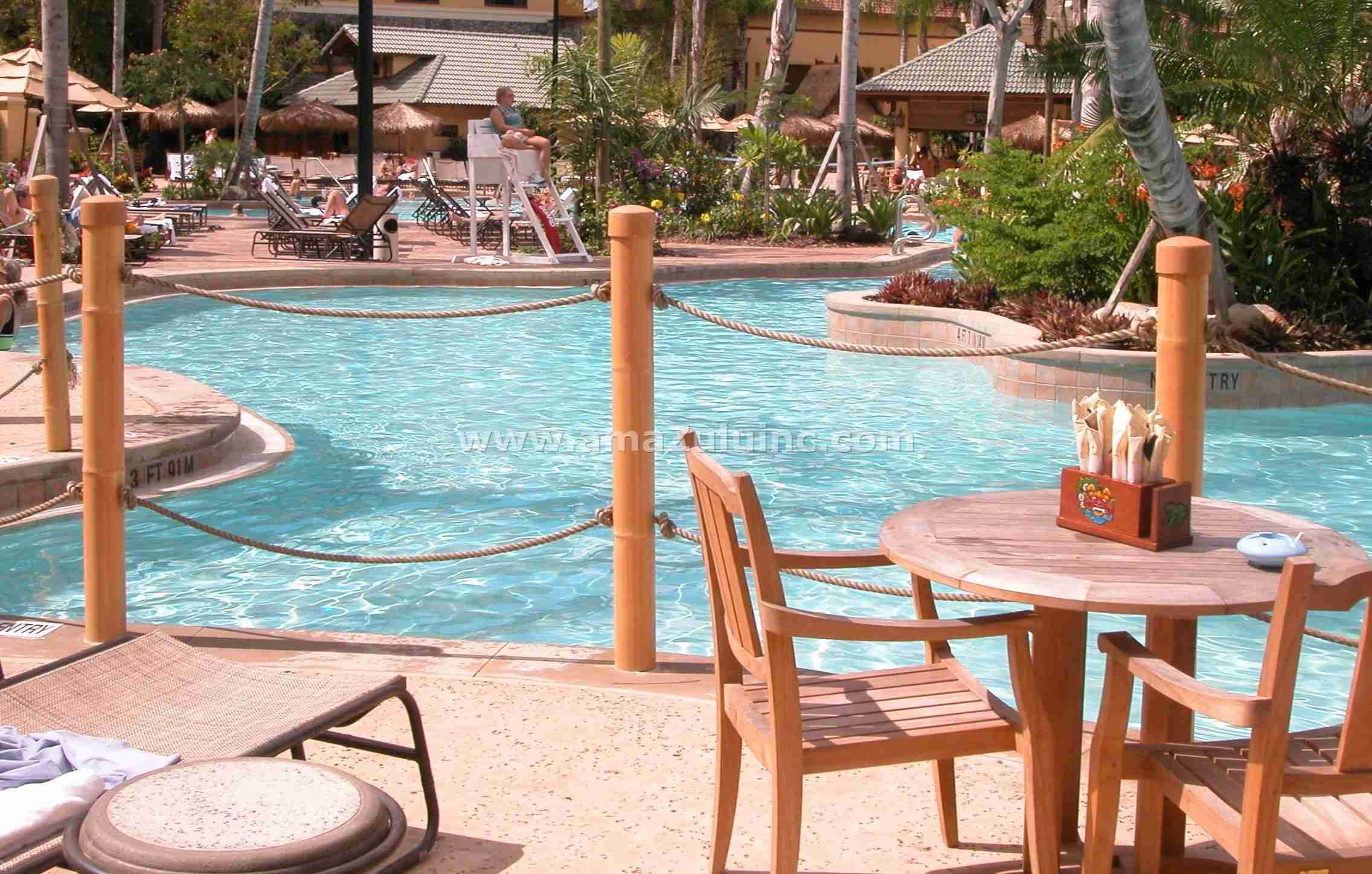
Walk through similar successful installations to develop intuition about appropriate scaling. Resort pergolas that feel right typically use 3-4 inch columns with 2-3 inch crossbeams. Backyard tiki bars achieve charm with 2-3 inch posts and 1.5-2 inch trim details.
Creating Visual Hierarchy
Effective designs use diameter variation to establish hierarchy and visual interest. Primary structural elements in larger diameters draw the eye and define space. Secondary framing in medium diameters provides necessary support without competing for attention. Trim and detail work in small diameters adds texture and refinement.
This layered approach creates depth and sophistication that single-diameter installations cannot achieve. A pergola with 4-inch corner posts, 2.5-inch crossbeams, and 1.5-inch decorative lattice reads as carefully composed rather than one-note.
Consistency Within Project Phases
Large developments or multi-location brands benefit from standardizing diameter specifications. Consistent sizing across installations creates recognizable brand identity and simplifies procurement. A restaurant chain might specify 2.5-inch posts and 1.5-inch facing across all locations, ensuring familiar aesthetic regardless of which property guests visit.
Document diameter specifications in brand standards or project guidelines so future phases match existing installations. Natural color variation between bamboo batches is inevitable, but diameter consistency maintains visual continuity.
Practical Considerations for Different Diameters
Beyond aesthetics and structure, diameter affects practical aspects of procurement, installation, and maintenance.
Cost Implications
Bamboo pricing generally scales with diameter since larger poles contain more material and require longer growth periods. Expect significant price jumps between diameter categories, particularly moving into large diameter ranges above 3 inches.
Volume discounts apply across diameter ranges, but mixing sizes within a single order may reduce per-pole savings. Consider consolidating orders around fewer diameter specifications to maximize bulk pricing while still achieving design intent through strategic placement.
Installation Complexity
Larger diameter poles weigh substantially more than smaller ones, affecting installation labor and equipment requirements. A 12-foot pole at 4-inch diameter may require two people to maneuver safely, while 1.5-inch poles handle easily solo. Factor labor costs into material selection, especially for projects with extensive bamboo use.
Hardware selection changes with diameter as well. Smaller poles accept standard screws and fasteners readily available at any hardware store. Large diameter poles may require longer fasteners, pre-drilling, or specialized mounting brackets that add cost and complexity.
Shipping and Freight
Diameter affects shipping costs less than length, but larger poles do consume more truck or container space. The bigger impact comes from weight, with large diameter orders requiring freight services where small diameter quantities might ship via standard carriers. Discuss shipping implications when requesting quotes to understand total delivered costs.
Species Availability
Not all bamboo species are available in all diameter ranges. Tonkin bamboo rarely exceeds 2 inches since the species simply doesn’t grow thicker. Tre-Gai and Guadua reach 4+ inches readily. If your design requires specific diameters, verify availability in your preferred species before finalizing specifications.
Synthetic bamboo alternatives like artificial interlocking bamboo come in limited diameter options—typically 1″, 1.5″, 2″, and 3″. For projects requiring exact matching to natural bamboo or non-standard sizes, natural bamboo may offer better flexibility.
Special Considerations for Commercial Projects
Commercial installations face unique diameter selection challenges that residential projects rarely encounter.
Building codes may specify minimum dimensions for structural members based on span distances and load calculations. Work with suppliers experienced in commercial applications who understand these requirements and can guide appropriate diameter selection.
Maintenance access matters in commercial settings where staff regularly clean, inspect, or repair bamboo installations. Larger diameter poles withstand cleaning equipment and maintenance activities better than delicate small diameter options prone to damage from impacts.
Guest interaction influences diameter selection in hospitality applications. Fencing or railings that guests lean against need robust dimensions that won’t deflect noticeably. Theme park queue lines endure constant contact from visitors waiting in line, demanding commercial-grade sizing that maintains appearance under heavy use.
Making Your Diameter Selection
Choosing appropriate bamboo pole diameters involves balancing structural needs, aesthetic proportion, practical considerations, and budget constraints. Start with structural requirements to establish minimum safe sizing, then refine selections based on visual impact and project scale. Consider using multiple diameter sizes within single projects to create hierarchy and visual interest while optimizing costs.
Ready to select the perfect bamboo pole diameters for your project? Contact amaZulu at (877) 243-5309 or email [email protected] for expert guidance on sizing, species selection, and availability. Our team helps you specify diameters that achieve your design vision while meeting structural and budgetary requirements.
Tristan Ishtar
VP of Sales
With over 11 years at amaZulu, Tristan brings deep expertise in tropical building materials and a customer-focused approach. He serves as a trusted consultant for architects and designers, providing expert guidance without high-pressure sales.