

Tristan Ishtar
VP of Sales
Structural bamboo tends to reveal itself the hard way. When it’s specified correctly, it performs quietly in the background, doing exactly what it’s supposed to do. When it’s specified poorly, it cracks, splits, or fails—and the fix is never as simple as swapping out a pole.
That’s because “structural bamboo” isn’t a style or a look. It’s a technical designation. Species, wall thickness, moisture exposure, and connection design all determine whether a bamboo poles can safely carry load. This guide breaks down what designers actually need to know before specifying bamboo for structural use.
What Makes a Bamboo Pole “Structural”?
Not all bamboo poles are created equal. Structural bamboo is defined by performance characteristics, not appearance.
- The bamboo species must be suitable for load-bearing applications
- Wall thickness and density matter more than diameter alone
- The pole must be designed into a clear load path
- Installation method determines long-term performance
A bamboo pole that looks substantial can still fail structurally if it’s thin-walled, poorly fastened, or exposed to moisture without protection.
Bamboo Species Suitable for Structural Use
Only a small subset of bamboo species are appropriate for structural applications. These types are selected for their strength, density, and predictability under load.
Solid (Construction-Grade) Bamboo
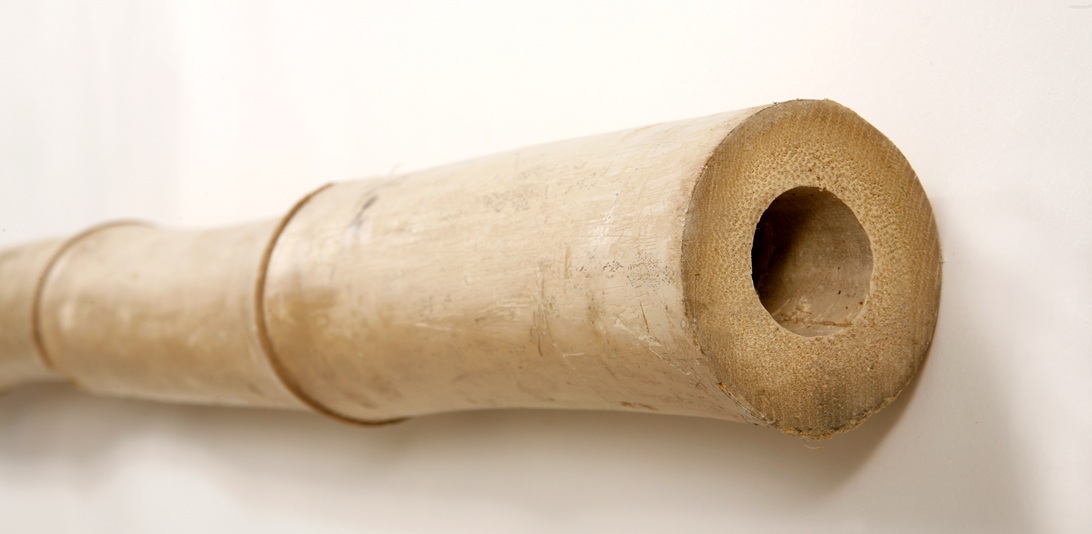
Solid bamboo poles have dense walls and minimal voids, which allows them to perform more reliably in compression. They are commonly used for posts, vertical supports, and structural frames where consistent load transfer is required. When properly installed, they behave similarly to traditional timber members in light structural systems.
Tre-Gai Bamboo
Tre-Gai bamboo is known for straight growth and thick walls, making it well-suited for architectural structures such as pergolas and covered frameworks. Its visual character often makes it part of the design, but its value lies in its structural consistency when kept above ground and protected from moisture.
Guadua Bamboo
Guadua is one of the strongest bamboo species used in construction worldwide. It has a long track record in scaffolding and structural systems when properly detailed. Like other structural bamboo, it must be protected from water intrusion and should not be buried directly in the ground.
Bamboo That Is Not Structural
This distinction is critical—and often overlooked. Many bamboo products sold on the market are decorative only.
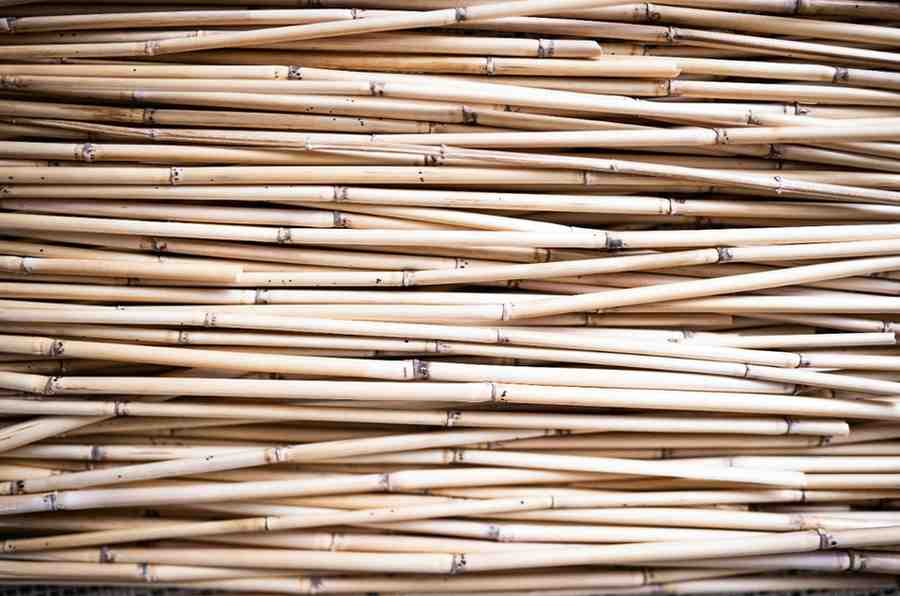
- Thin-walled bamboo is not suitable for load-bearing use
- Decorative bamboo commonly fails by splitting or crushing under stress
- Ceilings, wall accents, screens, and cladding are appropriate uses
- Using non-structural bamboo structurally introduces safety and liability risks
Structural failure often occurs not because bamboo is weak, but because the wrong type was specified.
Load Considerations for Structural Bamboo Poles
Structural bamboo performs best when designers respect how it carries load and where its limits are.
Bamboo is strongest in compression when forces are aligned with the length of the pole. Vertical loads are generally easier to manage than lateral forces, especially in outdoor structures exposed to wind.
Diameter alone does not determine strength. Wall thickness is the key factor in load capacity and fastening reliability. A thicker-walled pole will resist crushing and splitting far better than a thin-walled pole of the same diameter.
Spans should be conservative, and redundancy is strongly recommended. Structural bamboo systems perform best when loads are shared across multiple members rather than concentrated at a single point.
Fastening and Connection Design
Connection design is where most structural bamboo failures begin.
Fastening Through Nodes
Bamboo nodes act as natural reinforcement points. Fastening through a node significantly reduces the risk of splitting and improves load transfer. Fastening through hollow internodes increases the chance of failure.
Pre-Drilling and Hardware Selection
Pre-drilling is essential when fastening structural bamboo. It minimizes cracking and allows hardware to seat properly. Standard wood fasteners can be used with appropriate species, but care must be taken not to over-tighten.
Avoiding Stress Concentration
Structural bamboo should never be point-loaded aggressively. Loads should be distributed, connections should allow slight movement, and hardware should not compress the bamboo walls excessively.
Moisture Management and Outdoor Limitations
Moisture is the primary threat to structural bamboo, especially outdoors.
- Structural bamboo should never be buried directly in the ground
- Poles must be elevated to prevent constant moisture exposure
- Bamboo should be cut at the node to prevent internal water collection
- Regular sealing significantly extends outdoor lifespan
- Even with proper care, outdoor bamboo has a shorter lifespan than many conventional materials
Ignoring moisture management shortens the life of even the strongest bamboo species.
Structural Bamboo vs Synthetic Bamboo: Do Not Confuse the Two
Synthetic bamboo is never structural. This distinction must remain clear.
- Synthetic bamboo is decorative only
- Synthetic bamboo should not carry load under any circumstances
- Structural applications must always use natural, structural-grade bamboo
- Mixing decorative materials into structural roles creates serious safety risks
Synthetic bamboo excels in durability and appearance, but it does not replace structural bamboo.
Design Guidance: When Structural Bamboo Makes Sense
Structural bamboo works best when its limitations are respected and its strengths are used intentionally.
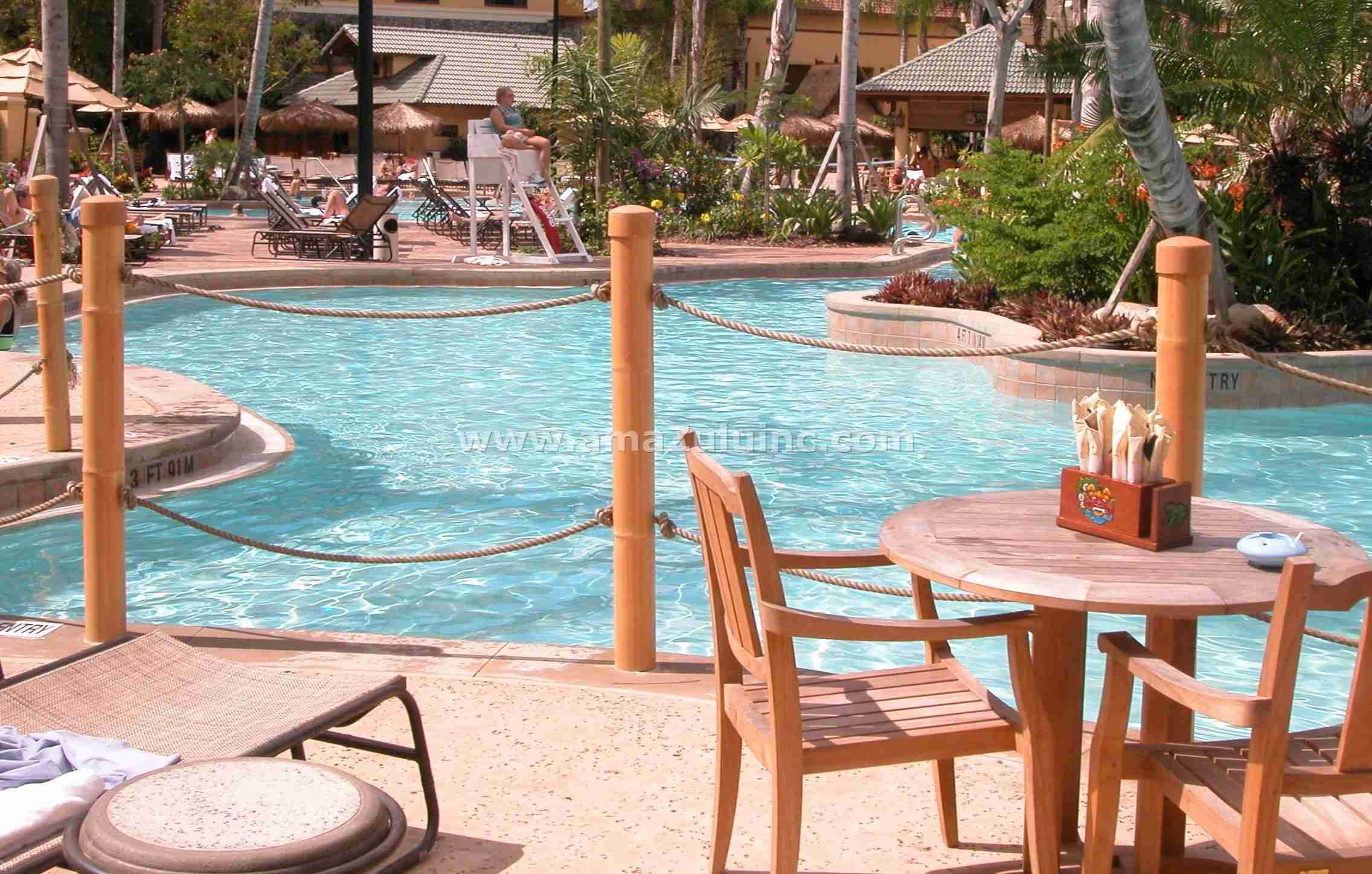
- Ideal for covered outdoor structures such as pergolas and shade elements
- Appropriate for interior structural features in controlled environments
- Best used where visual impact and moderate structural demands overlap
- Not recommended for ground burial, long unsupported spans, or high-moisture exposure
When properly designed, structural bamboo can be both functional and expressive.
Key Takeaways for Designers
- Structural bamboo poles are species-specific, not decorative
- Wall thickness matters more than appearance
- Moisture control determines long-term performance
- Proper fastening and connection design are essential
- Synthetic bamboo is never structural
Talk to an Expert Before You Specify Structural Bamboo
Structural bamboo rewards careful design and punishes assumptions. Getting the species, detailing, and installation right from the beginning can prevent costly revisions and long-term performance issues.
amaZulu, Inc. works with designers, architects, and builders to specify bamboo correctly for structural applications. With more than 22 years of experience sourcing construction-grade bamboo globally, amaZulu helps translate creative intent into buildable, code-aware solutions. Whether you’re designing a resort structure, a themed environment, or a custom architectural feature, their team can help you choose the right bamboo—and design it to perform as intended.
Tristan Ishtar
VP of Sales
With over 11 years at amaZulu, Tristan brings deep expertise in tropical building materials and a customer-focused approach. He serves as a trusted consultant for architects and designers, providing expert guidance without high-pressure sales.